
1.Why Alumina PCB Technology Is Important
Modern electronic systems continue demanding:
- Higher power density
- Better thermal management
- Greater reliability
- Higher operating temperatures
- Compact electronic integration
Applications such as:
- Power electronics
- Automotive systems
- LED lighting modules
- RF communication equipment
- Aerospace electronics
generate substantial heat during operation.
Traditional FR4 PCB materials often struggle with:
- Limited thermal conductivity
- Thermal expansion mismatch
- Reduced high-temperature reliability
To overcome these challenges, engineers increasingly adopt Alumina PCB technology for:
- Efficient heat dissipation
- High thermal stability
- High-reliability electronic systems
At KKPCB, alumina PCB solutions are optimized for:
- High thermal conductivity
- Power electronics reliability
- RF and high-frequency applications
2. What Is an Alumina PCB?
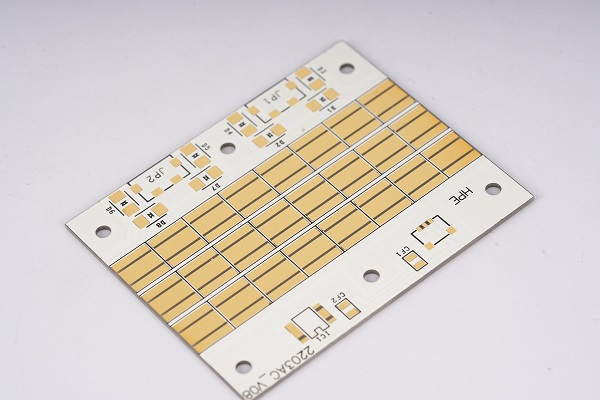
An Alumina PCB is a ceramic printed circuit board manufactured using aluminum oxide (Al₂O₃) ceramic substrate material.
Alumina ceramic PCB technology provides:
- Excellent thermal conductivity
- High electrical insulation
- Superior mechanical strength
- Excellent high-temperature stability
Compared with standard FR4 PCB materials, alumina PCB offers:
- Better heat dissipation
- Improved dimensional stability
- Enhanced reliability under harsh environments
Alumina PCB technology is widely used in:
- Power modules
- RF and microwave circuits
- LED lighting systems
- Automotive electronics
- Aerospace electronic systems
3. Key Characteristics of Alumina PCB
3.1 Excellent Thermal Conductivity
One of the biggest advantages of alumina PCB technology is efficient thermal management.
Alumina ceramic substrates help:
- Transfer heat rapidly
- Reduce thermal buildup
- Improve power device cooling efficiency
This is especially important in:
- Power electronics
- LED lighting modules
- RF power amplifiers
3.2 High Temperature Resistance
Alumina PCB materials provide:
- Stable performance at elevated temperatures
- Excellent thermal cycling resistance
- Long operational lifespan
These properties improve:
- System reliability
- Power module stability
- High-temperature durability
3.3 Excellent Electrical Insulation
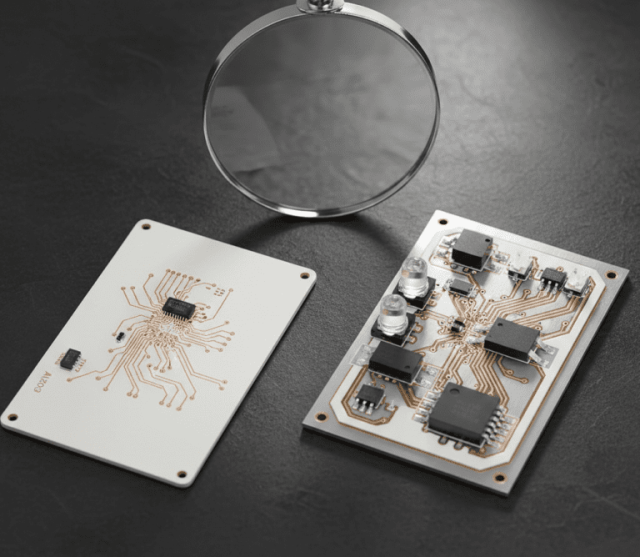
Alumina ceramic PCB materials offer:
- High dielectric strength
- Low electrical leakage
- Stable insulation performance
This improves:
- High-voltage safety
- Electrical reliability
- RF circuit stability
3.4 Strong Mechanical Stability
Alumina PCB materials provide:
- High hardness
- Excellent wear resistance
- Good dimensional stability
These characteristics improve:
- Structural reliability
- Long-term operational durability
- Environmental resistance
4. Applications of Alumina PCB
Alumina PCB technology is widely used in:
- Power electronics modules
- LED lighting systems
- Automotive power systems
- RF and microwave circuits
- Aerospace electronics
- Medical electronic equipment
- Industrial power control systems
These applications require:
- Efficient thermal management
- High electrical insulation
- Long-term reliability
5. Thermal Management Advantages of Alumina PCB
Thermal performance is one of the most important reasons for choosing alumina PCB technology.
Alumina ceramic PCB structures help:
- Reduce junction temperature
- Improve thermal transfer efficiency
- Minimize thermal stress
Common thermal management strategies include:
- Direct thermal path design
- Metal heat sink integration
- Copper thermal spreading layers
- Optimized power device layout
At KKPCB, advanced thermal engineering improves:
- Heat dissipation efficiency
- Power module reliability
- Long-term electronic stability
6. RF and Microwave Performance of 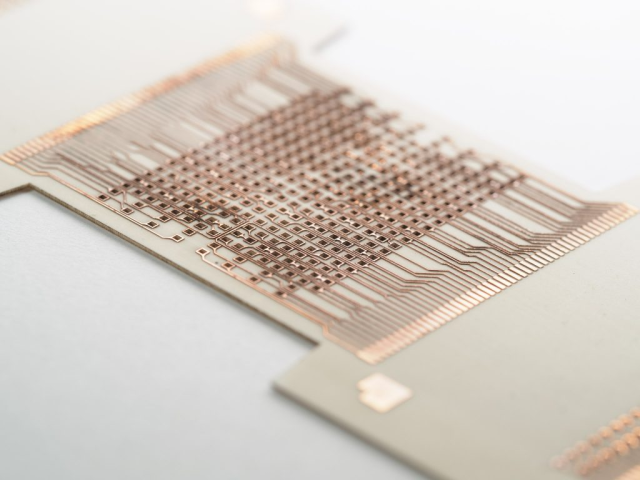
Alumina PCB materials are also widely used in:
- RF communication systems
- Microwave circuits
- Antenna modules
- High-frequency electronics
Advantages include:
- Stable dielectric performance
- Low RF signal loss
- Reliable high-frequency transmission
These characteristics improve:
- RF signal integrity
- Microwave communication stability
- Antenna performance consistency
7. Alumina PCB Design Considerations
Designing alumina PCB systems requires attention to:
- Thermal expansion management
- Copper adhesion reliability
- Mechanical stress control
- RF transmission optimization
Important design techniques include:
- Controlled impedance routing
- Thermal via optimization
- Copper balancing
- Stress reduction structures
Proper PCB design improves:
- Signal integrity
- Thermal stability
- Manufacturing reliability
8. Manufacturing Process of Alumina PCB
Alumina PCB fabrication requires specialized ceramic PCB manufacturing processes.
Key manufacturing steps include:
- Ceramic substrate preparation
- Copper metallization
- Laser drilling
- Precision circuit etching
- High-temperature bonding processes
Manufacturing challenges include:
- Ceramic brittleness control
- Copper adhesion stability
- Precision multilayer alignment
- Thermal stress management
At KKPCB, advanced ceramic PCB technologies ensure:
- Stable electrical performance
- Reliable thermal conductivity
- Consistent ceramic PCB manufacturing quality
9. Advantages of Alumina PCB Compared with FR4 PCB
Compared with traditional FR4 PCB materials, alumina PCB provides:
- Higher thermal conductivity
- Better high-temperature stability
- Superior electrical insulation
- Improved power handling capability
- Better dimensional stability
This makes alumina PCB highly suitable for:
- Power electronics
- RF systems
- High-reliability industrial electronics
10. Future Trends in Alumina PCB Technology
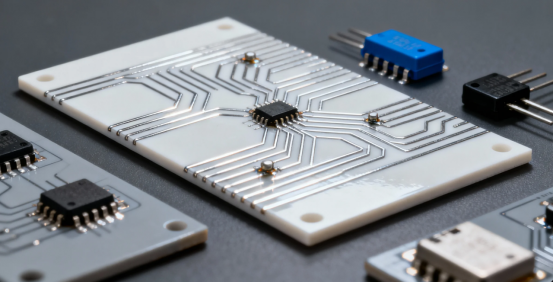
Future alumina PCB development focuses on:
- Higher power density electronics
- Advanced EV power systems
- AI power modules
- High-frequency RF communication systems
- Compact high-performance electronic packaging
Emerging technologies require:
- Better thermal efficiency
- Higher reliability
- More compact ceramic PCB structures
- Advanced multilayer ceramic integration
11. Conclusion
Alumina PCB technology is an important solution for modern electronic systems requiring:
- Efficient heat dissipation
- High electrical insulation
- Excellent thermal reliability
- Stable RF performance
With advantages including:
- High thermal conductivity
- Strong mechanical stability
- Excellent high-temperature durability
- Reliable electrical performance
alumina PCB solutions support advanced:
- Power electronics
- RF communication systems
- Aerospace electronics
- Industrial high-reliability applications
With extensive expertise in ceramic PCB engineering and thermal management technology, KKPCB delivers advanced ceramic PCB solutions for demanding power and RF applications.
