
What Does “High Reliability” Really Mean?
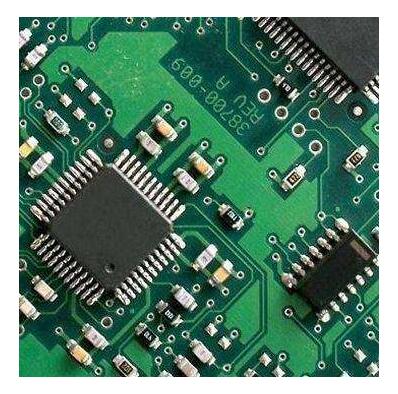
A High Reliability PCB is not simply a well-manufactured board—it is a PCB designed to perform consistently over time under defined environmental and electrical stress conditions.
Reliability is measured not just by initial functionality, but by the ability to:
- Maintain performance over long lifecycles
- Withstand thermal, mechanical, and electrical stress
- Prevent intermittent or latent failures
These PCBs are critical in applications where failure is not acceptable, such as:
- Automotive electronics (ADAS, EV systems)
- Aerospace and defense systems
- Medical devices
- Industrial control and power systems
In these environments, reliability is directly tied to safety, compliance, and operational continuity.
Common Failure Mechanisms
Understanding how PCBs fail is the foundation of reliable design.
- Thermal Fatigue:
Repeated temperature cycling causes expansion and contraction, leading to cracked vias or solder joints - CAF (Conductive Anodic Filament):
Moisture and voltage bias can create conductive paths between traces - Delamination:
Poor bonding between layers results in separation under thermal stress - Electromigration:
Metal migration under high current density can cause shorts or opens - Via Failure:
Microvias or plated through holes may crack due to mechanical or thermal stress - Surface Oxidation & Corrosion:
Environmental exposure degrades conductivity and contact reliability
High reliability PCB design focuses on preventing these failures before they occur.
Design for Reliability (DfR)
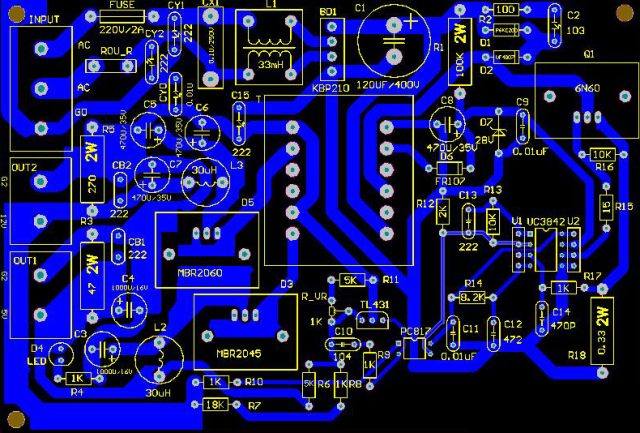
DfR is the core methodology behind high reliability PCB design.
Key design practices include:
- Robust Stack-Up Design:
Balanced structures reduce mechanical stress and warpage - Proper Via Design:
Avoid excessive aspect ratios; optimize plating thickness and via structure - Thermal Management:
Use thermal vias, heat spreaders, and proper copper distribution - Controlled Impedance & SI/PI Stability:
Ensure consistent electrical performance under varying conditions - Spacing & Creepage Design:
Critical for high-voltage and harsh environments - Redundancy Where Needed:
For critical signals or power paths in safety-related systems
DfR ensures the PCB is not only functional—but resilient over time.
Materials & Process Selection
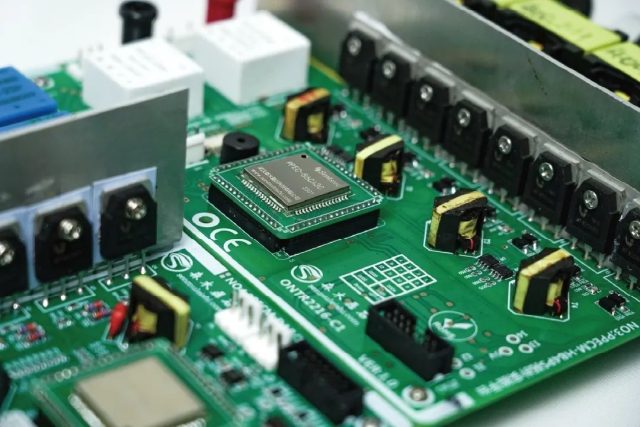
Material and manufacturing choices play a major role in reliability:
- High Tg Materials:
Resist deformation under high temperatures - Low CTE (Coefficient of Thermal Expansion):
Minimize stress between layers and components - Low Moisture Absorption:
Reduces risk of CAF and delamination - High-Quality Lamination:
Ensures strong interlayer bonding - Thicker Copper & Plating Control:
Improves current handling and via reliability - Surface Finishes:
ENIG, ENEPIG, or hard gold depending on application requirements
The right combination of materials and processes ensures long-term stability under real-world conditions.
Qualification & Industry Standards
High reliability PCBs must meet strict industry standards and validation processes:
- IPC Standards:
IPC-6012 (qualification), IPC-A-600 (acceptability), IPC-2221 (design) - Automotive Standards:
AEC-Q100 (IC level), often combined with PCB-level reliability testing - Thermal Cycling Tests:
Validate resistance to temperature variation - Humidity & Bias Testing:
Assess CAF and corrosion risks - Vibration & Mechanical Testing:
Critical for automotive and aerospace applications - Burn-In & Stress Testing:
Identify early-life failures
These validation processes ensure the PCB performs reliably throughout its intended lifecycle.
Final Thoughts
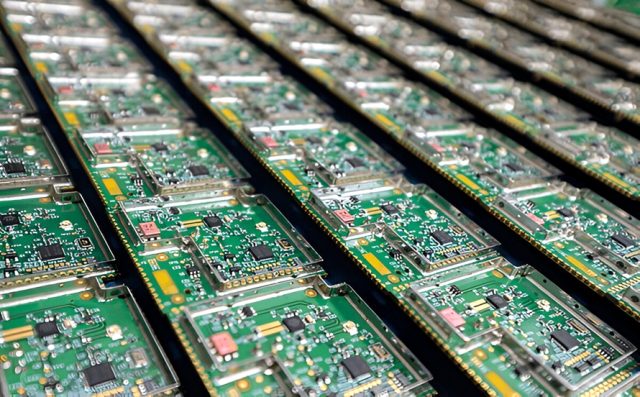
High reliability PCBs are built on a deep understanding of failure mechanisms, material behavior, and long-term stress conditions.
They require more than standard design practices—they demand:
- Preventive engineering (DfR)
- High-quality materials
- Precision manufacturing
- Rigorous testing and validation
At KKPCB, we support high reliability PCB projects with advanced materials, strict process control, and reliability-focused design collaboration, ensuring your products meet the highest standards of performance and durability.
