
Modern satellites enable global communication, GPS navigation, weather forecasting, and scientific observation. The electronics used in these systems must operate reliably for many years under extremely harsh conditions.

A critical component behind these electronics is the Satellite PCB, which supports onboard processors, RF communication modules, power systems, and sensor electronics. Satellite PCB manufacturing requires advanced materials, strict quality control, and specialized design techniques to ensure long-term reliability in space.
Why Satellite PCBs Require Specialized Design
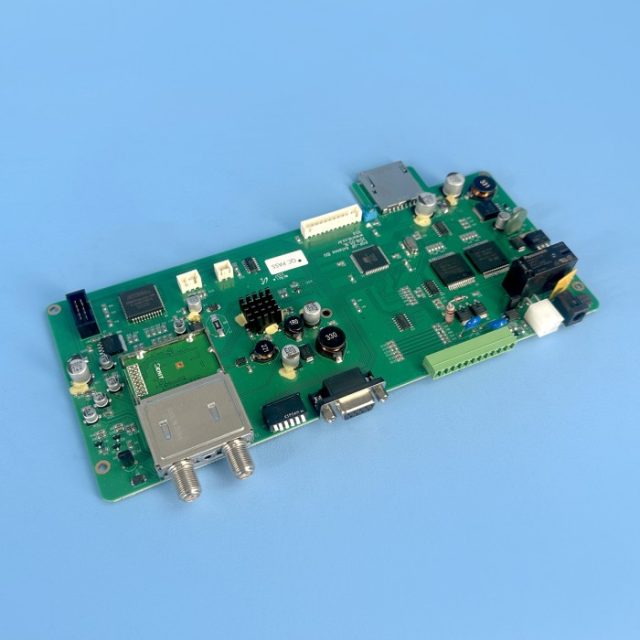
Unlike conventional circuit boards used in consumer electronics, satellite PCBs must perform under conditions that include:
-
Extreme temperature fluctuations
-
Strong vibration during rocket launch
-
Radiation exposure in orbit
-
Long mission lifetimes without maintenance
These challenges require circuit boards that deliver both mechanical durability and stable electrical performance.
Key Design Requirements for Satellite PCB
1. High-Frequency Communication Support
Satellite communication systems rely heavily on RF and microwave circuits to transmit signals between satellites and ground stations.
Satellite PCBs must support:
-
Controlled impedance transmission lines
-
Low signal loss across RF paths
-
Stable dielectric properties at high frequencies
These characteristics ensure clear and reliable long-distance communication.
2. Thermal Stability in Extreme Environments
Satellites are exposed to rapid temperature transitions between sunlight and the cold vacuum of space. PCBs must maintain stable electrical performance despite these temperature variations.
Thermal design methods often include:
-
Copper planes for heat distribution
-
Thermal vias for efficient heat transfer
-
High-temperature laminate materials
3. High Structural Strength
During launch, satellite electronics experience intense mechanical stress and vibration. Satellite PCBs must maintain structural integrity to protect critical electronic components.
Reinforced multilayer PCB structures help provide the necessary mechanical stability.
4. Radiation Resistance
Radiation in space can affect electronic circuits over time. PCB materials and layouts must minimize susceptibility to radiation-induced failures.
Special materials and design techniques help improve system reliability in long-term space missions.
Materials Used in Satellite PCB
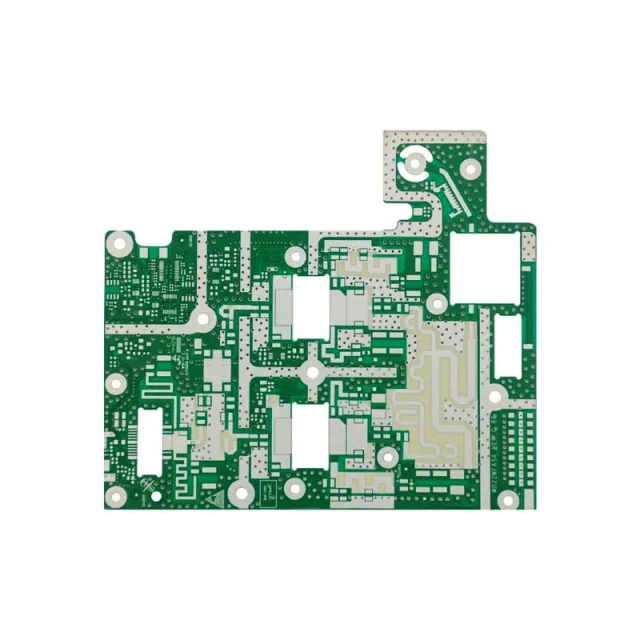
To meet aerospace requirements, satellite PCBs typically use specialized materials such as:
-
Polyimide high-temperature laminates
-
Low-loss RF materials
-
PTFE-based substrates
-
High-performance composite laminates
These materials provide stable electrical performance, strong environmental resistance, and long operational lifetimes.
Common Applications of Satellite PCB
Satellite PCBs are used in multiple subsystems of spacecraft and communication platforms.
Typical applications include:
-
Satellite communication transceivers
-
Navigation and positioning electronics
-
Telemetry and command modules
-
Imaging and observation equipment
-
Onboard signal processing systems
Each subsystem requires highly reliable PCB designs to ensure continuous operation.
Manufacturing Challenges
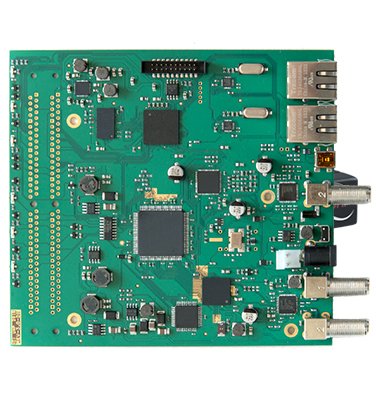
Satellite PCB fabrication requires precision manufacturing and rigorous testing processes.
Key manufacturing requirements include:
-
High-precision multilayer PCB fabrication
-
Tight impedance control for RF circuits
-
High-reliability soldering and assembly
-
Extensive inspection and validation testing
These processes ensure the final PCB meets strict aerospace reliability standards.
Conclusion
Satellite PCBs form the backbone of modern aerospace electronics. Their ability to support high-frequency communication, withstand harsh environmental conditions, and deliver long-term reliability makes them essential for satellite missions.
With advanced materials, optimized PCB designs, and strict manufacturing standards, satellite PCBs continue to enable the development of next-generation space technologies.
