
As modern electronic systems demand higher power density and improved reliability, traditional PCB designs sometimes struggle to handle large current loads and heat generation. To address these challenges, engineers use Heavy Copper PCBs, which feature thicker copper layers to support high current flow and better thermal management.
Heavy copper circuit boards are widely used in power electronics, automotive systems, industrial equipment, and renewable energy applications, where high electrical reliability and efficient heat dissipation are essential.
What is a Heavy Copper PCB?
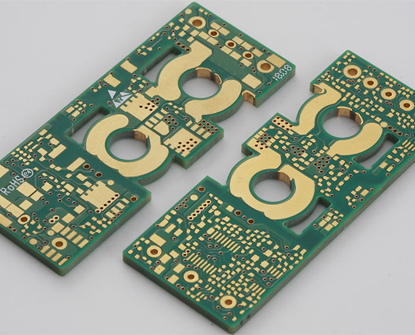
A Heavy Copper PCB is a printed circuit board that uses copper thickness greater than standard PCB designs.
Typical copper thickness includes:
-
2 oz copper
-
3 oz copper
-
4 oz copper
-
Up to 10 oz or more for specialized applications
The increased copper thickness allows the PCB to handle higher current levels while reducing resistance and improving heat dissipation.
Advantages of Heavy Copper PCB
1. High Current Carrying Capacity
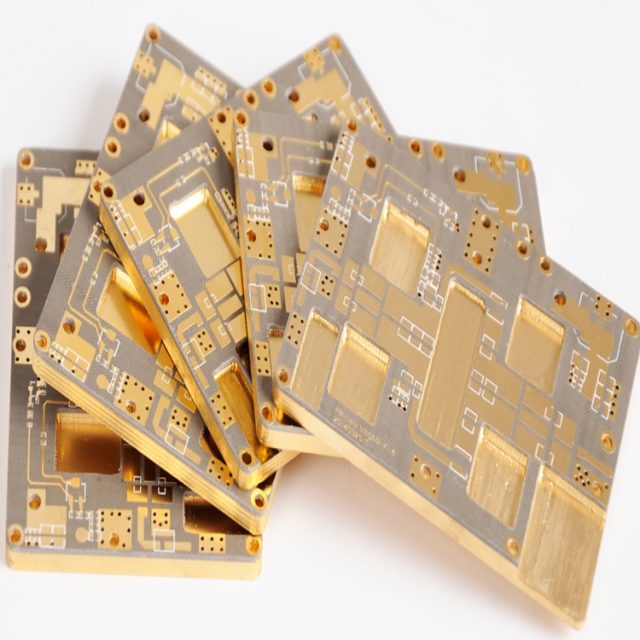
Heavy copper PCBs are designed to handle significantly higher current compared with standard PCBs.
The thicker copper layers allow circuits to safely conduct large currents without overheating or damaging the board.
2. Improved Thermal Management
Thicker copper layers help distribute and dissipate heat more efficiently across the PCB.
This reduces hot spots and improves the reliability of power electronics and high-power components.
3. Enhanced Mechanical Strength
Heavy copper PCBs offer greater structural durability, making them more resistant to mechanical stress and thermal expansion.
This improves reliability in demanding environments such as automotive or industrial systems.
4. Increased Reliability in Power Circuits
High-power circuits often experience rapid changes in current and temperature. Heavy copper PCBs maintain stable electrical performance under these conditions.
This makes them suitable for critical power applications.
Design Considerations for Heavy Copper PCB
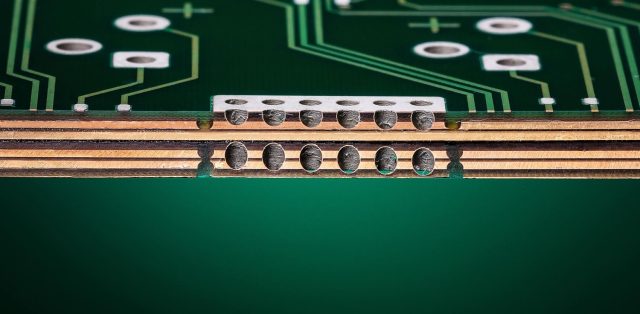
Designing heavy copper PCBs requires careful planning to ensure optimal performance.
Important factors include:
-
Trace width and spacing for high current flow
-
Thermal management strategies to prevent overheating
-
Proper via design for power distribution
-
PCB stack-up configuration for multilayer designs
Engineers must also account for copper weight during fabrication to maintain manufacturing precision.
Manufacturing Challenges
Producing heavy copper PCBs involves specialized fabrication processes.
Key challenges include:
-
Thick copper etching control
-
Uniform plating across layers
-
Accurate drilling and via plating
-
Maintaining tight tolerances for high-current traces
Advanced manufacturing techniques ensure reliable heavy copper PCB production.
Applications of Heavy Copper PCB
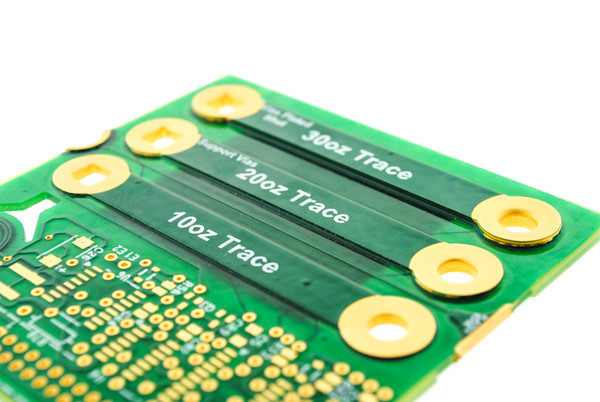
Heavy copper PCBs are widely used in industries that require high current capacity and robust power management.
Typical applications include:
-
Power supply systems
-
Electric vehicles (EV) and automotive electronics
-
Industrial control equipment
-
Solar and renewable energy systems
-
Power converters and inverters
-
Motor control circuits
These systems require PCBs capable of handling high current loads and significant heat generation.
Conclusion
Heavy copper PCBs play a crucial role in high-power electronic systems. By providing increased current capacity, improved thermal performance, and enhanced mechanical durability, they enable reliable operation in demanding environments.
With proper design and advanced manufacturing techniques, heavy copper PCBs deliver robust solutions for power electronics, automotive systems, and industrial applications.
