
What Is an Alumina PCB?
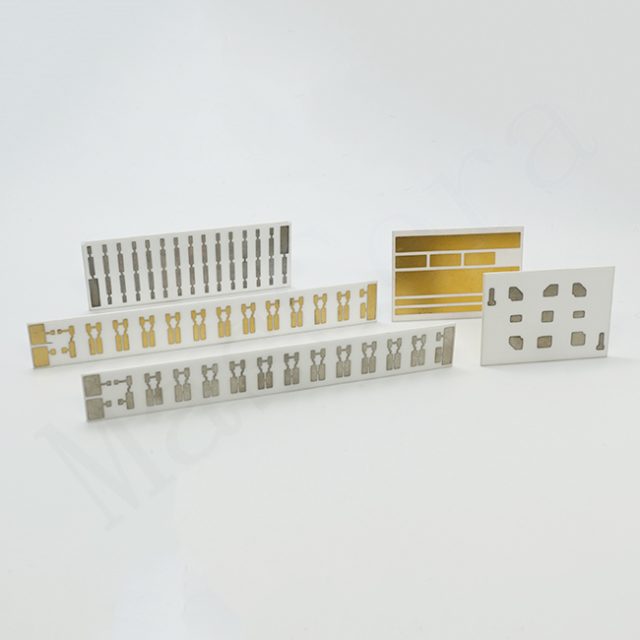
An Alumina PCB is a ceramic-based printed circuit board manufactured using aluminum oxide (Al₂O₃) as the substrate material.
Unlike conventional FR4 boards, Alumina PCBs are designed for extreme temperature environments, high-power density circuits, and long-term reliability applications.
With strong mechanical strength and excellent electrical insulation, Alumina PCBs are widely used in power electronics, hybrid circuits, and high-frequency modules.
Core Material Characteristics
Alumina ceramic typically provides:
-
Thermal conductivity: 20–30 W/m·K
-
High dielectric strength
-
Excellent insulation resistance
-
Stable dielectric constant
-
High operating temperature capability (> 300°C)
These properties make Alumina PCB suitable for harsh industrial and high-heat conditions.
Why Choose Alumina PCB?
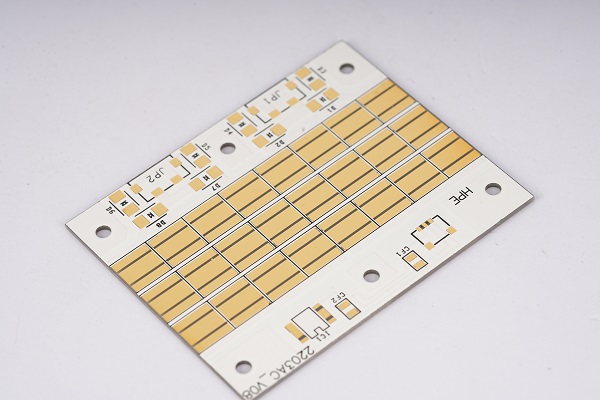
1. Superior High-Temperature Resistance
Alumina ceramic maintains structural and electrical stability at temperatures where FR4 would fail.
This makes it ideal for:
-
Power modules
-
Automotive engine electronics
-
Industrial heating systems
-
High-power LED drivers
2. Efficient Heat Dissipation
Compared to standard epoxy-based boards, Alumina PCB offers significantly improved thermal conductivity.
It enables:
-
Faster heat transfer from power components
-
Reduced thermal stress
-
Improved device lifespan
Effective heat management is critical in IGBT, MOSFET, and power amplifier circuits.
3. Strong Mechanical Stability
Alumina substrates provide:
-
High hardness
-
Resistance to warpage
-
Low thermal expansion mismatch with semiconductor devices
This reduces the risk of cracking or delamination during thermal cycling.
4. Excellent Electrical Insulation
Alumina PCB delivers:
-
High dielectric strength
-
Low leakage current
-
Stable performance in high-voltage circuits
This makes it suitable for power conversion and isolation-critical designs.
Typical Applications
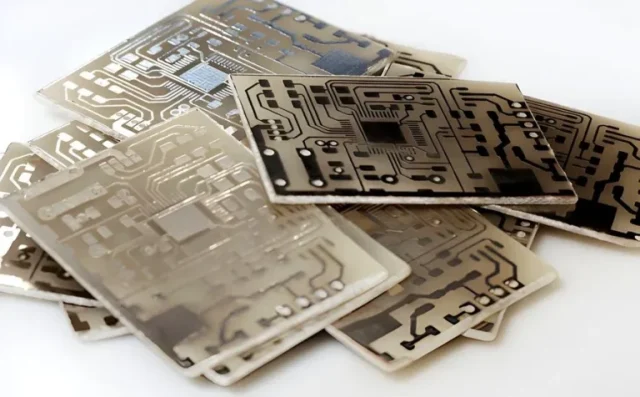
Alumina PCB is widely used in:
-
Power electronics modules
-
Automotive control units
-
RF power amplifiers
-
LED lighting systems
-
Aerospace electronic subsystems
-
Medical monitoring equipment
It is especially preferred where thermal stability and electrical isolation are equally important.
Alumina PCB vs FR4 PCB
| Feature | FR4 PCB | Alumina PCB |
|---|---|---|
| Thermal Conductivity | ~0.3 W/m·K | 20–30 W/m·K |
| Maximum Operating Temp | ~130–170°C | >300°C |
| Mechanical Strength | Moderate | High |
| Electrical Insulation | Good | Excellent |
| High-Power Suitability | Limited | Excellent |
Alumina PCB significantly outperforms FR4 in thermal and high-voltage environments.
Manufacturing Considerations
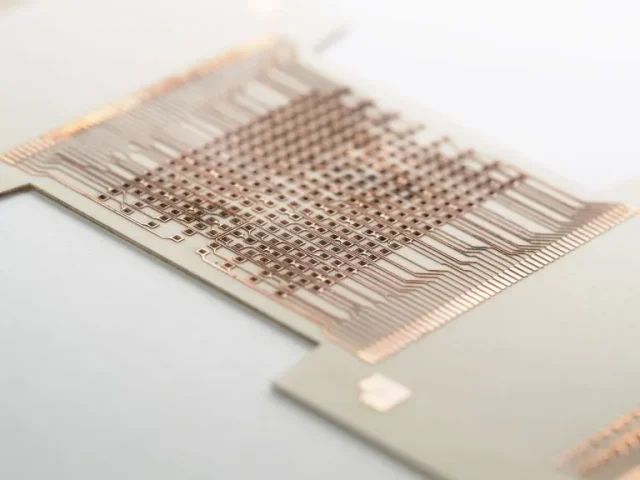
Producing Alumina PCBs involves:
-
Ceramic substrate preparation
-
Thick-film or thin-film metallization
-
Laser drilling or precision machining
-
High-temperature sintering processes
These steps require advanced fabrication control to ensure:
-
Accurate circuit patterning
-
Strong metal-to-ceramic bonding
-
Reliable long-term performance
Conclusion
Alumina PCB is a high-temperature, high-reliability ceramic solution for power electronics and precision applications.
With excellent thermal conductivity, electrical insulation, and mechanical durability, Alumina PCBs provide stable performance in demanding environments where traditional PCB materials are insufficient.
For engineers designing high-power, high-temperature, or long-life electronic systems, Alumina PCB offers a dependable and efficient substrate solution.
