
Taconic PCB materials are widely recognized in high-frequency and microwave PCB applications for their low dielectric loss, stable dielectric constant (Dk), and high thermal reliability. As RF and high-speed digital systems continue to demand higher bandwidths and tighter signal integrity, Taconic laminates provide a proven solution for minimizing insertion loss and maintaining performance consistency.
Material Properties of Taconic PCB
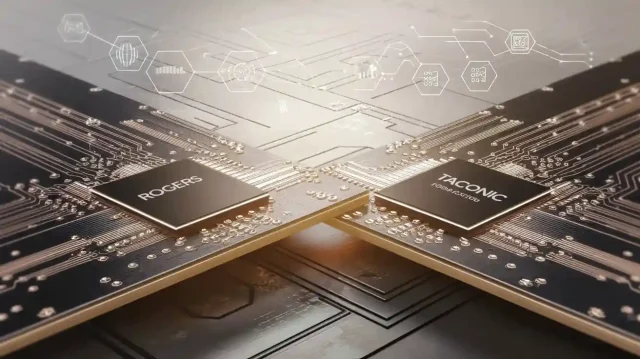
Taconic PCBs are engineered using PTFE-based laminates combined with glass or ceramic fillers to achieve a balance of mechanical strength, thermal performance, and electrical stability. Key material characteristics include:
-
Low dissipation factor (Df) for reduced signal attenuation
-
Stable dielectric constant (Dk) across frequency ranges, ensuring controlled impedance
-
High glass transition temperature (Tg) and thermal stability
-
Low moisture absorption for environmental reliability
These properties make Taconic PCB laminates suitable for RF front-end modules, 5G communications, radar systems, and satellite electronics.
Signal Integrity and High-Frequency Performance
Maintaining signal integrity in high-frequency PCBs is a core engineering challenge. Taconic PCBs address these challenges by providing:
-
Reduced insertion loss for microwave and mmWave circuits
-
Predictable phase response across signal paths
-
Low crosstalk between densely routed lines
-
Stable impedance for differential and single-ended traces
By minimizing dielectric and conductor losses, Taconic PCBs enable reliable signal transmission at multi-gigahertz frequencies, supporting advanced communication and radar applications.
Thermal and Mechanical Considerations
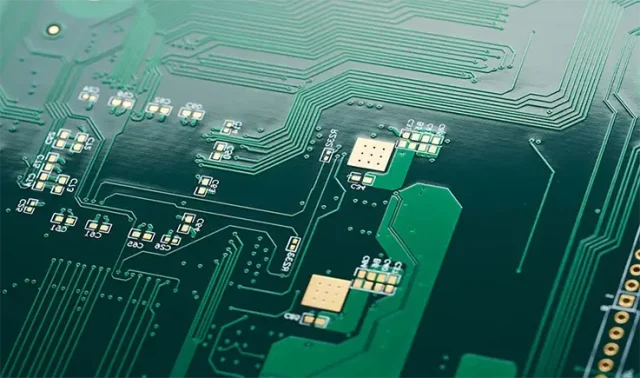
Taconic laminates are designed to withstand the thermal stresses common in RF and high-speed PCB assemblies. Key engineering benefits include:
-
High Tg and low CTE for reduced board warpage
-
Enhanced mechanical stability in multilayer stackups
-
Improved reliability for solder joints and via connections under thermal cycling
-
Dimensional stability in precision microwave circuits
These thermal and mechanical characteristics ensure that Taconic PCBs maintain long-term performance even in demanding operational environments.
Manufacturing and Process Considerations
Fabricating Taconic PCBs requires precision engineering and controlled manufacturing processes due to the PTFE-based substrate and fine-line routing requirements:
-
Controlled lamination and curing to prevent delamination
-
Precision drilling and via formation for dense multilayer designs
-
Fine-line etching for high-speed trace routing
-
Post-fabrication impedance and insertion loss testing
Attention to these factors ensures that Taconic PCBs deliver consistent high-frequency performance across production volumes.
Application Domains
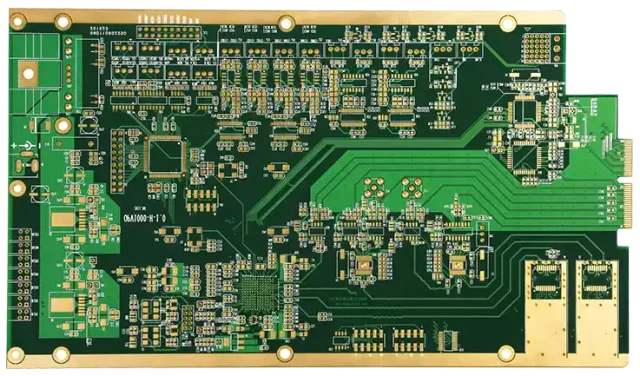
Taconic PCBs are commonly used in applications requiring high-frequency stability, low loss, and thermal reliability:
-
RF and microwave communication modules
-
5G and mmWave antenna and front-end boards
-
Satellite and aerospace electronics
-
High-speed computing backplanes
-
Radar and defense systems
Engineering Perspective
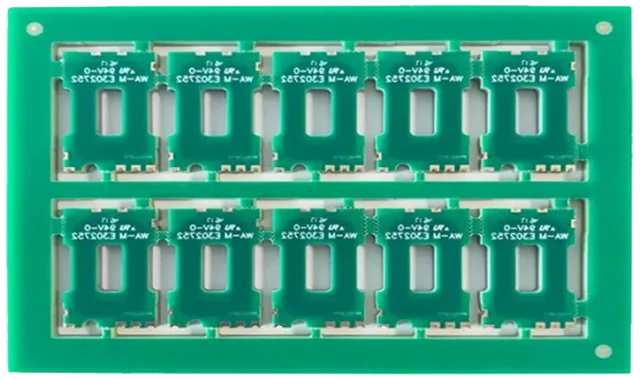
Taconic PCB materials are not merely substrates—they are performance enablers for high-speed, high-frequency electronic systems. By selecting the appropriate Taconic laminate, designing controlled impedance layouts, and adhering to precise manufacturing processes, engineers can ensure low loss, high signal fidelity, and long-term reliability.
KKPCB provides Taconic PCB solutions with multilayer stackup design support, material selection guidance, and precision manufacturing tailored to RF and high-speed digital applications.
