
An Automotive IC Test PCB is a specialized semiconductor test PCB developed for validating automotive-grade integrated circuits used in ADAS, infotainment systems, powertrain control, and vehicle communication networks.
Automotive ICs must meet strict reliability, safety, and performance standards, including temperature extremes, vibration, and high-speed data operation. Test PCBs for automotive ICs provide the mechanical and electrical interface for Automated Test Equipment (ATE), ensuring accurate functional, parametric, and stress testing under real-world conditions.
Key Features of Automotive IC Test PCBs

1. Controlled Impedance and High-Speed Signal Integrity
Automotive ICs, especially those in communication and ADAS applications, require precise impedance control, trace length matching, and minimal signal distortion for accurate test results.
2. Robust Multilayer Construction
Automotive IC Test PCBs often employ multilayer stackups with HDI technology to handle high pin count packages, fine-pitch routing, and dense interconnects.
3. Thermal and Mechanical Reliability
Automotive environments demand PCBs that can withstand temperature cycling, vibration, and mechanical stress, ensuring reliable connectivity during extended ATE testing.
4. Low-Noise Power Distribution
A well-designed power distribution network (PDN) with effective decoupling minimizes voltage fluctuations and ensures stable operation of sensitive ICs.
5. High-Density and High-Pin Count Support
Automotive ICs often feature hundreds of pins and complex interfaces, necessitating HDI routing, microvias, and fine-line PCB fabrication for reliable test access.
Applications of Automotive IC Test PCBs
-
ADAS processor and sensor IC testing
-
Infotainment and in-vehicle networking IC validation
-
Powertrain and motor control IC evaluation
-
Automotive communication interface IC testing (CAN, LIN, FlexRay)
-
High-reliability automotive semiconductor qualification
These applications demand high accuracy, repeatability, and reliability, reflecting the strict automotive industry standards.
Manufacturing Considerations for Automotive IC Test PCBs
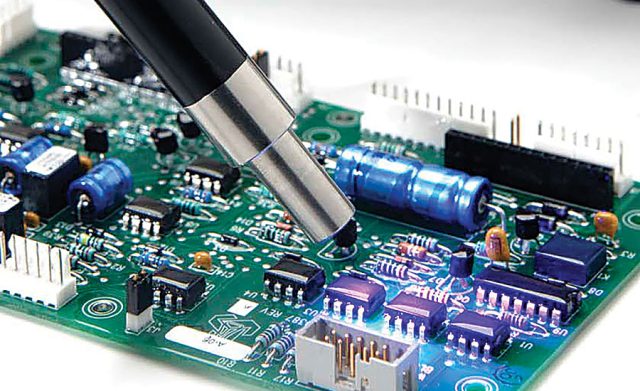
High-quality automotive IC test PCBs require:
-
Multilayer HDI PCB fabrication with microvia technology
-
Controlled impedance verification and high-speed routing
-
Thermal-resistant and low-loss materials
-
Precision lamination and drilling for high-pin-count ICs
-
Prototype, small batch, and volume production support
These capabilities ensure repeatable electrical performance and reliable IC testing under automotive conditions.
Why Automotive IC Test PCB Quality Matters
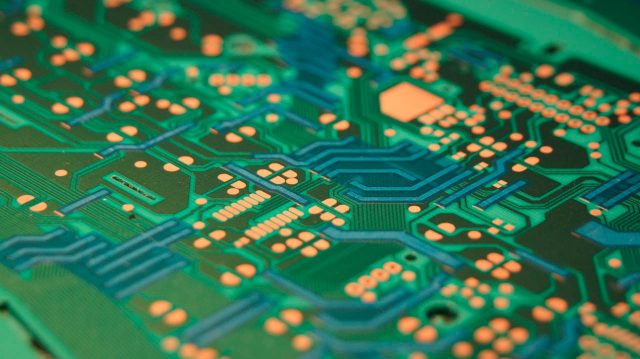
Poor-quality test boards can lead to:
-
Signal integrity issues and inaccurate test measurements
-
Unstable connections during vibration or thermal cycling
-
Reduced test yield and longer validation cycles
-
Increased development costs and potential field failures
High-quality Automotive IC Test PCBs guarantee reliable testing, accurate validation, and compliance with automotive reliability standards.
Conclusion
The Automotive IC Test PCB is critical for validating high-reliability ICs in modern vehicles. With controlled impedance, robust multilayer design, HDI routing, and thermal/mechanical stability, these test boards provide accurate, repeatable, and dependable performance during ATE testing.
Partnering with an experienced automotive IC test PCB manufacturer ensures faster validation cycles, improved test yield, and long-term reliability for automotive semiconductor applications.
