
Introduction: PCB Architecture as the Core of Robotics Systems
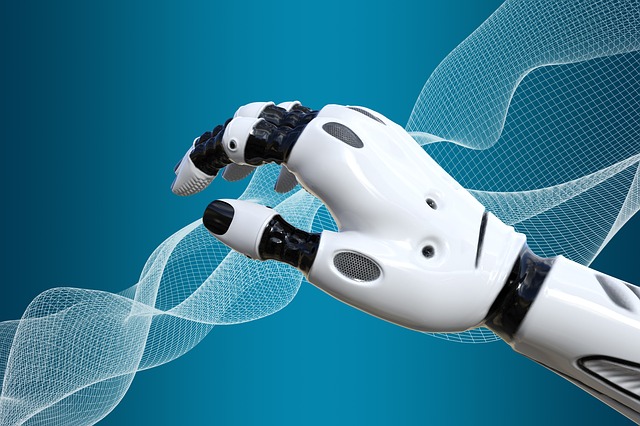
In modern autonomous robotics and industrial robotics, the design of Robotics PCB architecture plays a decisive role in determining system performance, real-time responsiveness, and operational reliability. As robots become more intelligent, compact, and interconnected, the demand for high-density, high-speed, and high-reliability PCB solutions continues to grow.
From AI-powered robotic arms to autonomous mobile robots (AMRs), advanced PCB architecture enables seamless integration of processing units, sensors, communication modules, and power systems.
Core Requirements of Robotics PCB Architecture
Designing an effective Robotics PCB architecture requires balancing multiple critical engineering factors:
1. High-Density Integration
Modern robotic systems integrate numerous components, including:
- Microprocessors and AI chips
- Sensor arrays (vision, motion, temperature)
- Communication modules (Wi-Fi, CAN, Ethernet)
- Power management circuits
To accommodate these elements, high-density PCB design—often using HDI PCB technology—is essential for achieving compact and efficient layouts.
2. High-Speed Signal Transmission
Robotics systems rely on real-time data processing, requiring:
- High-speed data buses
- Low-latency signal transmission
- Controlled impedance routing
Proper PCB layout design ensures signal integrity, reduces signal loss, and minimizes electromagnetic interference (EMI) in high-speed robotic systems.
3. High Reliability in Harsh Environments
Industrial and autonomous robots often operate under:
- Vibration and mechanical stress
- Temperature fluctuations
- Dust, moisture, and contaminants
Therefore, high-reliability PCB materials, robust soldering processes, and strong mechanical design are essential to ensure long-term stability.
Key Technologies in Robotics PCB Design
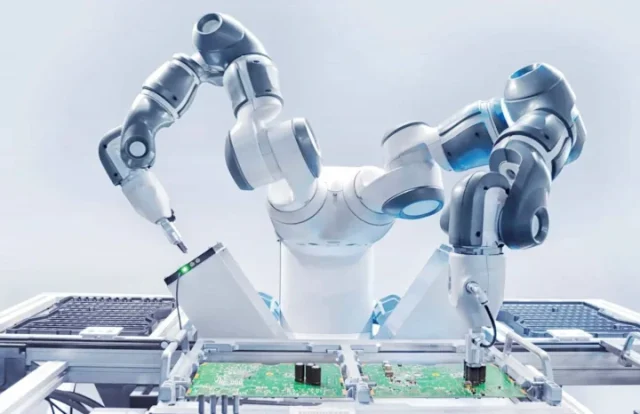
1. HDI PCB Technology
High-Density Interconnect (HDI) PCBs enable compact layouts through:
- Microvias (blind and buried vias)
- Fine-line routing structures
- Increased layer count efficiency
HDI technology is fundamental to modern robotics PCB architecture.
2. Multilayer PCB Stack-Up Design
A well-planned multilayer PCB stack-up is critical for:
- Signal integrity control
- Efficient power distribution
- Effective grounding strategies
Proper stack-up design reduces noise and enhances system stability.
3. Thermal Management Solutions
Robotic systems generate significant heat due to high processing loads. Effective thermal management includes:
- Thermal vias and copper planes
- Heat-dissipating PCB materials
- Integration with heat sinks
This ensures stable operation of high-performance components.
4. EMC and EMI Control
Maintaining electromagnetic compatibility (EMC) is essential in robotics. Key design strategies include:
- Proper grounding design
- Shielding and signal isolation
- Controlled trace routing
These measures prevent interference between critical subsystems.
System-Level PCB Architecture in Robotics
A complete Robotics PCB architecture typically includes multiple interconnected boards:
- Main control PCB (CPU/AI processing)
- Sensor interface PCB
- Power management PCB
- Motor control PCB
Designing these modules with optimized PCB architecture ensures efficient communication and system scalability.
Applications of Advanced Robotics PCB Architecture

High-performance robotics PCB systems are widely used in:
- Industrial automation robots
- Autonomous mobile robots (AMRs)
- Collaborative robots (cobots)
- Medical robotics systems
- Service and logistics robots
These applications demand high-speed, high-density, and high-reliability PCB solutions.
Design Best Practices for Robotics PCB Engineering
To achieve optimal Robotics PCB performance, engineers should follow these best practices:
- Use HDI PCB design for compact integration
- Optimize signal routing for high-speed communication
- Implement strong grounding and shielding strategies
- Design for efficient thermal management
- Ensure DFM (Design for Manufacturability) and DFT (Design for Testing)
These practices improve both performance and production efficiency.
From PCB Design to Robotics Innovation
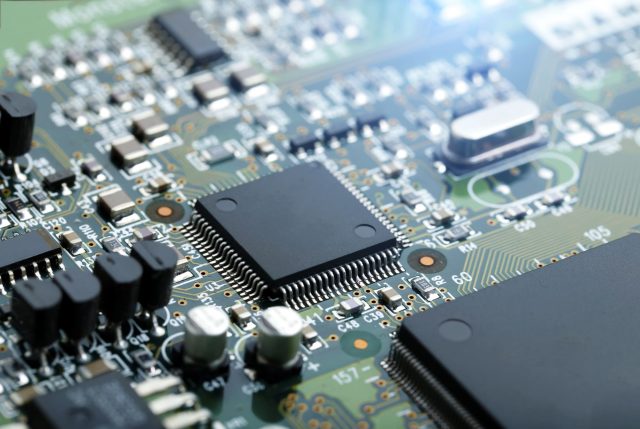
Advanced Robotics PCB architecture is not just about circuit design—it is a key enabler of robotic intelligence, automation efficiency, and system scalability. As robotics continues to evolve with AI, IoT, and edge computing, the importance of high-performance PCB solutions will only increase.
Conclusion
The future of robotics depends heavily on robust and intelligent PCB architecture. By combining high-density integration, high-speed signal design, and high-reliability engineering, modern Robotics PCBs can meet the demanding requirements of autonomous and industrial systems.
Investing in advanced PCB design and manufacturing capabilities is essential for building next-generation robotic solutions that are efficient, reliable, and scalable.
