
What Is a Taconic PCB?
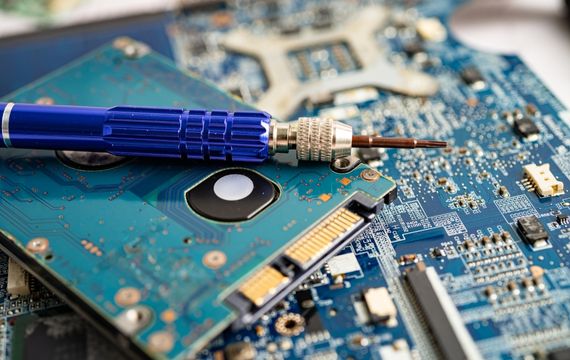
A Taconic PCB is a high-frequency printed circuit board manufactured using Taconic laminate materials, which are specifically engineered for RF, microwave, and high-speed digital applications. Taconic PCBs are known for their low dielectric loss, stable dielectric constant (Dk), and excellent thermal reliability.
Compared with standard FR-4 PCBs, Taconic PCBs provide superior signal integrity at high frequencies, making them ideal for applications where performance consistency and low insertion loss are critical.
Key Features of Taconic PCB Materials
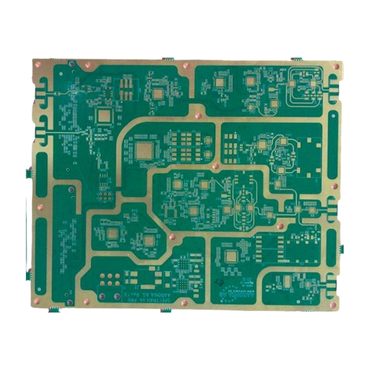
Taconic PCB materials offer several performance advantages for high-frequency designs:
-
Low dielectric loss (Df)
Minimizes signal attenuation in RF and microwave circuits. -
Stable dielectric constant (Dk)
Ensures consistent impedance control across frequency and temperature ranges. -
Excellent thermal stability
Supports high-power and high-reliability applications. -
Good mechanical strength
Suitable for multilayer and hybrid PCB constructions. -
Compatibility with standard PCB processes
Enables reliable manufacturing and assembly.
These characteristics make Taconic PCB materials a popular choice for advanced RF PCB designs.
Common Taconic PCB Material Types
Taconic offers a wide range of PCB materials to meet different application requirements, including:
-
TLY Series
PTFE-based laminates for microwave and RF applications. -
RF Series (e.g. RF-35, RF-60)
Ceramic-filled materials combining low loss with mechanical stability. -
TLX Series
Glass-reinforced PTFE materials for enhanced dimensional control. -
FastRise® Series
Designed for high-speed digital and RF hybrid designs.
Selecting the right Taconic PCB material depends on frequency range, impedance requirements, and thermal performance needs.
Taconic PCB Manufacturing Considerations
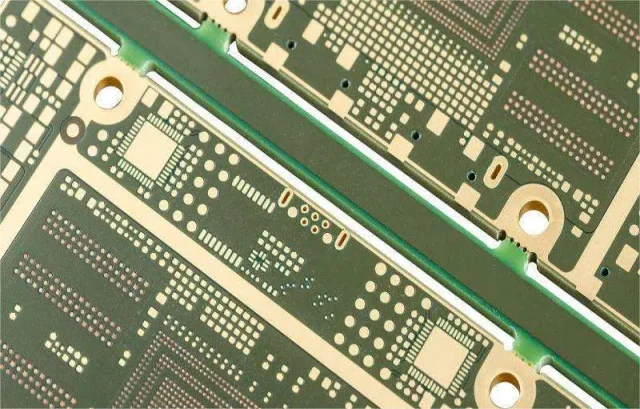
Manufacturing a Taconic PCB requires specialized process control compared to standard FR-4 PCBs:
-
Material handling and storage
PTFE-based materials require careful handling. -
Precise impedance control
Tight control of trace width and dielectric thickness. -
Advanced drilling and via plating
Ensures reliable interlayer connections. -
Controlled lamination process
Prevents warpage and delamination. -
Surface finish compatibility
ENIG, immersion silver, or hard gold for RF performance.
An experienced Taconic PCB manufacturer is essential to ensure stable quality and yield.
Advantages of Using Taconic PCB
Using a Taconic PCB provides multiple benefits:
-
Excellent RF and microwave signal integrity
-
Low insertion loss and reduced signal distortion
-
Reliable performance at high frequencies
-
Support for controlled impedance designs
-
Long-term electrical and thermal stability
These advantages make Taconic PCBs a strong alternative to other high-frequency PCB materials such as Rogers or PTFE composites.
Applications of Taconic PCB
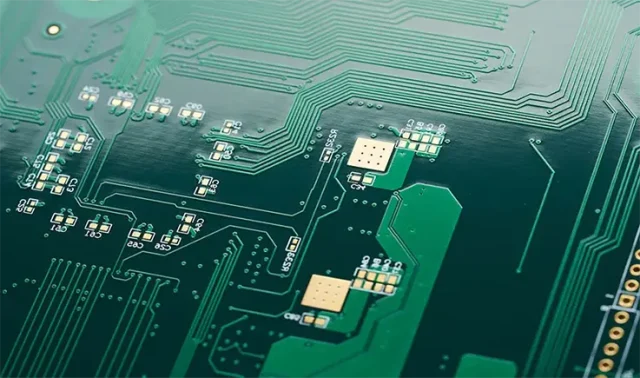
Taconic PCBs are widely used in high-frequency and RF-related applications, including:
-
RF and microwave communication systems
-
5G base stations and wireless infrastructure
-
Radar and satellite communication
-
Antenna and RF module designs
-
Aerospace and defense electronics
As operating frequencies continue to increase, the demand for Taconic PCB solutions continues to grow.
Conclusion
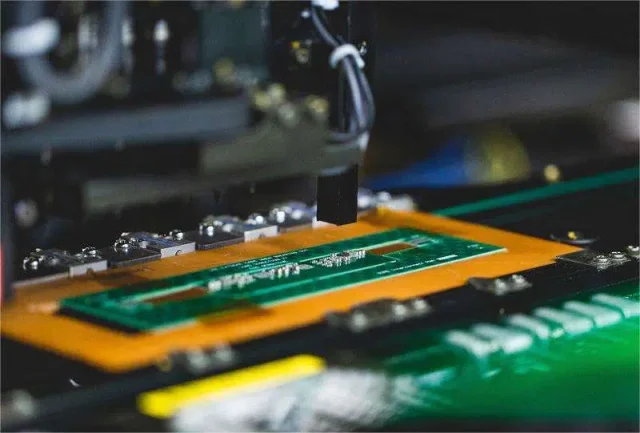
A Taconic PCB is an excellent choice for high-frequency, RF, and microwave applications requiring low loss, stable dielectric properties, and reliable performance. With a wide range of material options and proven electrical characteristics, Taconic PCB materials support advanced and demanding electronic designs.
Partnering with an experienced Taconic PCB manufacturer ensures precise fabrication, stable quality, and consistent RF performance.
