
Introduction to Satellite PCB

Satellite communication and space technologies require electronic systems that can operate reliably in extreme environments such as vacuum, radiation exposure, and large temperature variations. A Satellite PCB is a high-reliability printed circuit board designed specifically for spacecraft electronics and satellite communication systems.
These PCBs support critical subsystems including communication modules, navigation systems, onboard computing units, and power management systems. Satellite PCBs must maintain stable signal integrity, excellent thermal performance, and long-term reliability to meet the strict requirements of aerospace applications.
What Is a Satellite PCB?
A Satellite PCB is a specialized circuit board engineered for space-grade electronics. It is designed to ensure reliable performance under harsh conditions while supporting high-frequency signal transmission and complex electronic systems.
Typical design characteristics include:
-
High-reliability PCB materials
-
Radiation-tolerant electronic components
-
Controlled impedance routing for RF signals
-
Thermal stability for extreme temperature changes
-
Lightweight yet mechanically strong structures
These features allow satellite electronics to operate continuously and reliably in space environments.
Key Design Features of Satellite PCBs
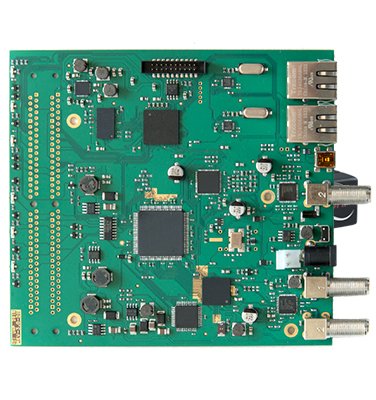
1. High Reliability
Satellite electronics cannot be repaired after launch, so PCBs must achieve extremely high reliability to ensure mission success.
2. Radiation Resistance
Space radiation can damage electronic circuits. Satellite PCB designs often use radiation-hardened components and special materials to mitigate these effects.
3. Thermal Stability
Satellites experience significant temperature fluctuations between sunlight and shadow, requiring PCBs that maintain electrical performance under thermal stress.
4. High-Frequency Signal Integrity
Satellite communication systems operate at RF and microwave frequencies, requiring low-loss materials and precise impedance control.
5. Lightweight Construction
Reducing weight is critical in aerospace systems. Satellite PCBs are optimized to provide strength and performance while minimizing mass.
Materials Used in Satellite PCBs
Satellite PCBs commonly use advanced materials designed for high-frequency and aerospace environments. These may include PTFE-based RF laminates, ceramic-filled microwave substrates, and high-reliability multilayer PCB materials.
High-frequency laminate materials from manufacturers such as Rogers Corporation are widely used in satellite RF circuits due to their stable dielectric properties and low signal loss.
Applications of Satellite PCBs
Satellite PCBs are used in a wide range of aerospace and communication systems, including:
-
Satellite communication modules
-
Microwave and radar electronics
-
Satellite navigation systems
-
Spaceborne computing systems
-
Earth observation satellites
-
Deep-space communication equipment
These applications require PCBs that deliver stable performance over long mission lifetimes.
Manufacturing Considerations
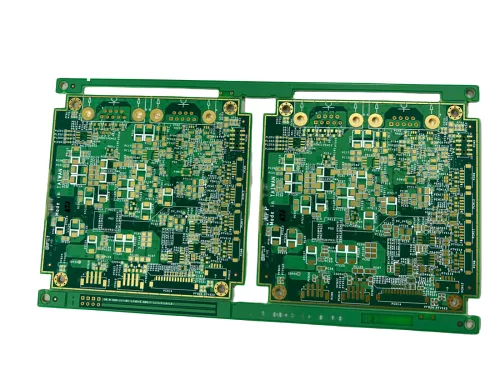
Manufacturing satellite PCBs typically involves advanced PCB fabrication technologies such as:
-
High-reliability multilayer PCB fabrication
-
Precision controlled impedance routing
-
Advanced surface finishes like ENIG or immersion silver
-
Strict reliability testing and inspection procedures
These processes ensure that the PCB can withstand the demanding conditions of space missions.
Conclusion
Satellite PCB technology is a critical component of modern space electronics. By combining high-reliability materials, advanced RF design techniques, and precise manufacturing processes, satellite PCBs enable stable operation in the challenging environment of space while supporting high-performance communication and navigation systems.
