
As RF and wireless systems continue to operate at higher frequencies, PCB performance has become a critical factor in signal integrity and system reliability. When engineers and sourcing teams purchase RF PCBs, selecting the right materials, manufacturing processes, and RF-focused supplier is essential to ensure low loss and stable performance.
This article provides a practical guide on how to purchase RF PCBs for demanding high-frequency and microwave applications.
What Is an RF PCB?
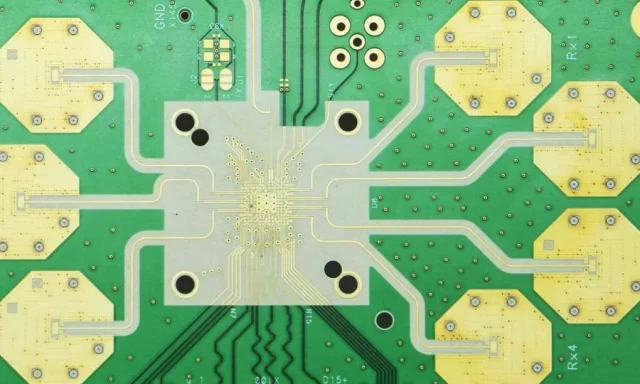
An RF PCB is specifically designed to transmit radio frequency signals with minimal loss and distortion. Compared with standard PCBs, RF PCBs require:
-
Low dielectric loss (low Df)
-
Stable dielectric constant (Dk)
-
Precise controlled impedance structures
-
Tight manufacturing tolerances
These characteristics make RF PCB manufacturing a specialized process.
RF Material Options When You Purchase RF PCB
Material selection is the foundation of RF PCB performance. When you purchase RF PCBs, common material options include:
-
Rogers RF laminates (RO4003, RO4350, RO3003)
-
PTFE-based RF materials for microwave and mmWave designs
-
Taconic RF materials such as RF-35
-
Hybrid stackups combining RF materials with FR-4
These materials provide lower signal loss and greater RF stability than standard FR-4.
Controlled Impedance: A Critical Requirement
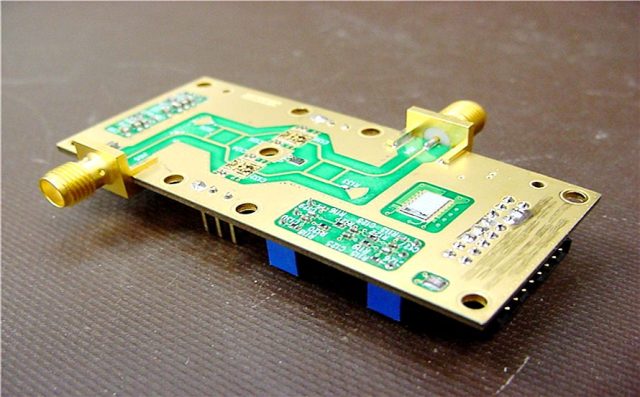
Accurate impedance control is essential when you purchase RF PCBs for high-frequency signal transmission.
Professional RF PCB manufacturers provide:
-
Stack-up simulation and impedance calculation
-
Tight control of trace width and dielectric thickness
-
Controlled impedance fabrication (±5% or tighter)
-
TDR impedance testing and detailed impedance reports
Proper impedance control reduces signal reflection and insertion loss.
Manufacturing Quality for RF PCB Reliability
When purchasing RF PCBs, manufacturing quality directly impacts RF performance. Reliable RF PCB suppliers focus on:
-
Precision lamination and fine-line etching
-
Copper surface roughness control to reduce conductor loss
-
AOI, X-ray inspection, and electrical testing
-
Stable process control from prototype to mass production
These measures ensure consistent RF PCB quality and long-term reliability.
Applications That Require RF PCBs
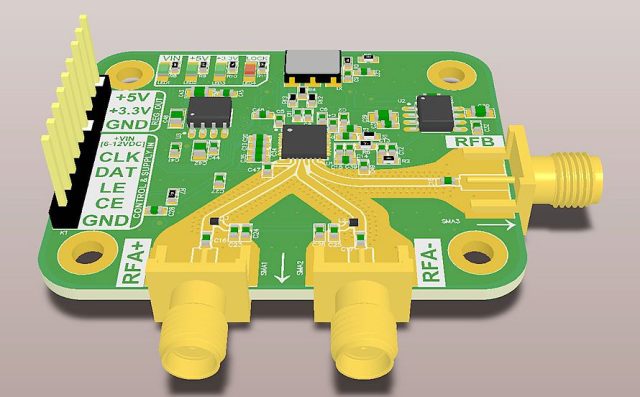
RF PCBs are widely used in:
-
RF front-end and antenna modules
-
5G and wireless communication systems
-
Microwave and mmWave circuits
-
Automotive radar and sensing systems
-
IoT and high-speed wireless devices
Each application requires low loss, stable impedance, and high manufacturing precision.
How to Choose the Right Supplier When You Purchase RF PCB
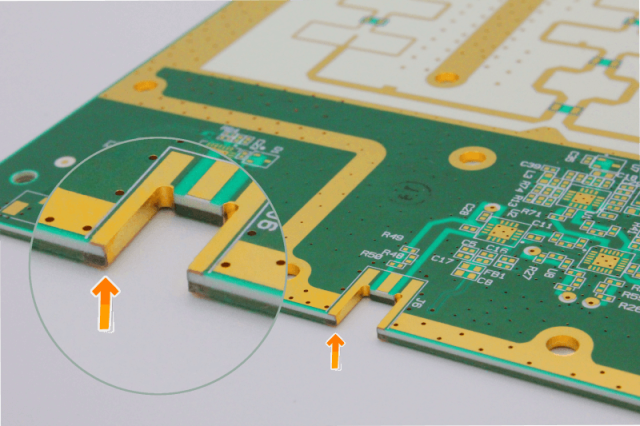
When selecting a supplier to purchase RF PCBs, consider:
-
Experience in RF and high-frequency PCB manufacturing
-
Support for Rogers, PTFE, and hybrid materials
-
Impedance control and RF testing capability
-
Engineering support and fast DFM feedback
-
Flexible production from prototype to volume
The right RF PCB supplier reduces risk and shortens development cycles.
Conclusion
To achieve reliable performance in high-frequency and wireless systems, it is essential to purchase RF PCBs from an experienced and RF-focused manufacturer. With advanced RF materials, precise impedance control, and strict quality assurance, professional RF PCB suppliers deliver high-performance solutions for demanding RF applications.
By choosing the right partner when you purchase RF PCBs, you can ensure consistent quality, faster validation, and scalable production for your RF products.
