
What Is a High Frequency Sensor PCB?
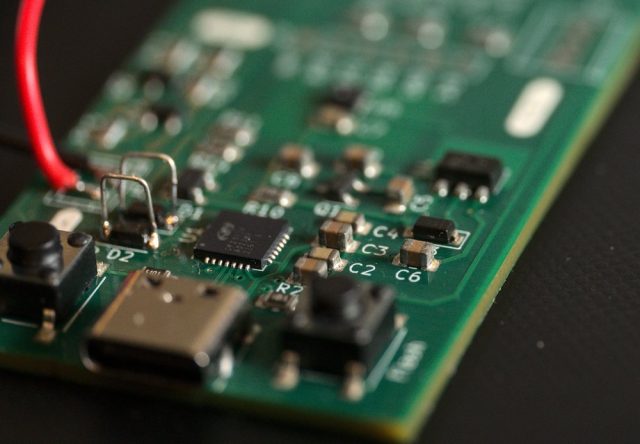
A High Frequency Sensor PCB is a specialized printed circuit board designed for RF, microwave, and IoT sensor modules. These PCBs enable accurate data acquisition and signal processing for applications such as:
-
Radar sensors
-
Ultrasonic sensors
-
LiDAR modules
-
High speed IoT devices
-
Wearable sensor systems
High Frequency Sensor PCB ensures minimal signal loss, precise impedance control, and stable performance in high frequency ranges.
Key Design Requirements
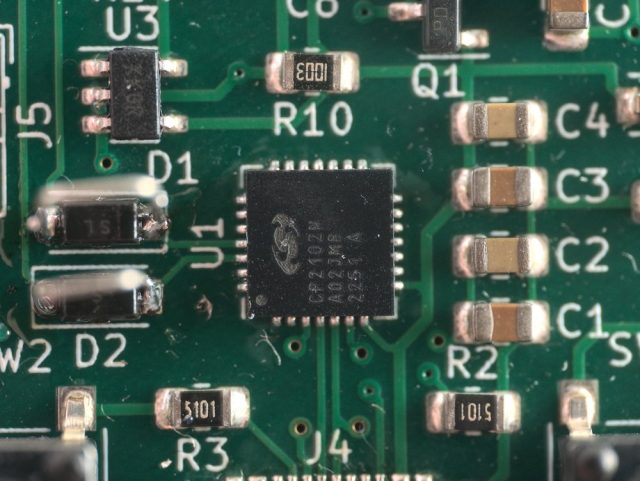
1. Low Loss and High Signal Integrity
High frequency sensors operate at GHz-level signals. PCB design must include:
-
Controlled impedance routing
-
Differential pair optimization
-
Low dielectric loss materials
-
Minimized crosstalk and signal reflection
These features are critical to maintain accurate sensor readings and communication.
2. High Speed Data Processing
Modern sensors transmit large amounts of data in real time. High Frequency Sensor PCB supports:
-
High speed differential lines
-
HDI microvia technology
-
Multi-layer routing for dense components
-
BGA breakout for sensor ICs
3. Thermal and Mechanical Reliability
High frequency sensor modules often operate in harsh or compact environments. PCB design considerations include:
-
Thermal vias and copper planes for heat dissipation
-
Reinforced substrate to prevent warpage
-
Compatibility with vibration and shock conditions
4. Material Selection for RF and Microwave Performance
Common materials used in High Frequency Sensor PCB include:
-
RO4350B, RO4003C, RF-35 laminates for RF layers
-
High TG FR-4 for supporting digital layers
-
Hybrid stack-up to balance performance and cost
Material choice impacts signal integrity, thermal performance, and long-term reliability.
Applications of High Frequency Sensor PCB
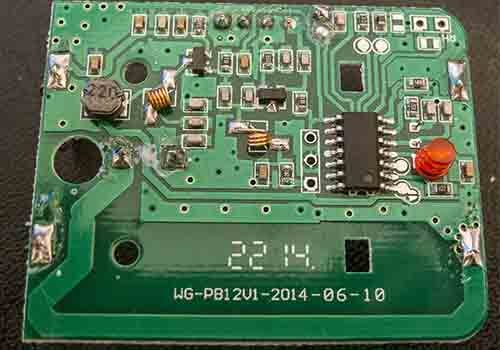
High Frequency Sensor PCBs are widely applied in:
-
Automotive radar and LiDAR modules
-
Industrial IoT sensors
-
Medical wearable devices
-
Smart home environmental sensors
-
Wireless communication sensor modules
-
Aerospace and defense sensor systems
These PCBs enable precise sensing, rapid data processing, and long-term stable operation.
High Frequency Sensor PCB vs Standard Sensor PCB
| Feature | High Frequency Sensor PCB | Standard Sensor PCB |
|---|---|---|
| Frequency Range | RF / Microwave (GHz) | Low / Medium Frequency |
| Material | Low loss laminates | FR-4 only |
| Signal Integrity | Critical | Moderate |
| Impedance Control | High precision | Limited |
| Thermal Management | Required | Optional |
For high speed or RF sensors, a High Frequency Sensor PCB ensures superior performance and measurement accuracy.
Manufacturing Considerations
Producing High Frequency Sensor PCB requires:
-
Precise impedance modeling
-
Stable multilayer lamination
-
Accurate microvia drilling and plating
-
Strict electrical and functional testing
-
Low Dk/Df material control
Professional manufacturers ensure repeatable performance across batches, especially for IoT and automotive sensors.
Conclusion
High Frequency Sensor PCB is essential for modern sensor modules requiring RF performance, low loss, high speed signal integrity, and long-term reliability. Selecting an experienced PCB manufacturer ensures optimized stack-up design, precise fabrication, and stable operation for demanding sensor applications.
