
What Is a Heavy Copper PCB?
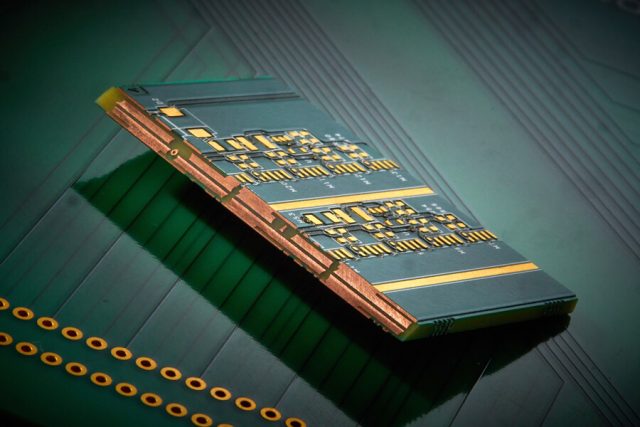
A Heavy Copper PCB is a printed circuit board manufactured with thicker copper layers than standard PCBs, typically ranging from 3 oz to 20 oz copper thickness or more.
Unlike conventional PCBs that usually use 1 oz copper, heavy copper boards are designed to handle:
-
High current loads
-
Improved heat dissipation
-
Enhanced mechanical strength
-
Higher reliability in demanding environments
Because of these characteristics, heavy copper PCBs are widely used in power electronics, automotive systems, industrial equipment, and renewable energy devices.
Key Design Features of Heavy Copper PCB
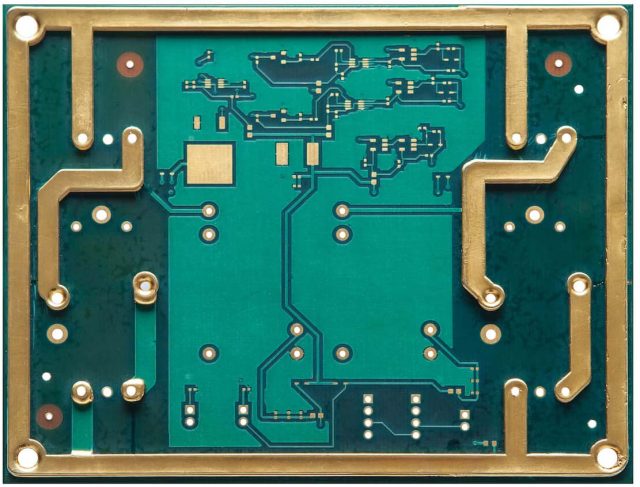
1. High Current Carrying Capability
The primary advantage of heavy copper PCBs is their ability to handle significantly higher electrical currents.
Thicker copper traces allow:
-
Reduced electrical resistance
-
Lower voltage drops
-
Increased current capacity
This makes heavy copper PCBs ideal for power supply circuits, motor controllers, and battery management systems.
2. Superior Thermal Management
High-current circuits often generate significant heat. Heavy copper layers improve thermal conductivity and heat spreading, allowing heat to dissipate more efficiently.
Design techniques include:
-
Thick copper planes for heat distribution
-
Thermal vias connecting internal layers
-
Large copper pours around power components
Effective thermal management improves device reliability and operational stability.
3. Enhanced Mechanical Strength
Thicker copper layers also provide additional structural reinforcement for the PCB.
This is particularly important in environments where circuits may experience:
-
Mechanical vibration
-
Thermal cycling
-
High mechanical stress
Heavy copper PCBs are therefore commonly used in automotive electronics and industrial machinery.
4. Improved Reliability in Harsh Environments
Heavy copper PCBs are designed to operate reliably in high-temperature, high-power, and high-vibration environments.
These boards can withstand:
-
Thermal shock
-
High current surges
-
Long-term operation in demanding conditions
This durability makes them suitable for mission-critical power electronics.
Typical Copper Thickness in Heavy Copper PCB
| Copper Weight | Thickness (Approx.) | Typical Application |
|---|---|---|
| 3 oz | ~105 µm | Power modules |
| 4–6 oz | ~140–210 µm | Industrial control |
| 8–10 oz | ~280–350 µm | High-current power electronics |
| 10–20 oz | >350 µm | Extreme power applications |
Selecting the right copper thickness depends on current requirements, thermal performance, and board design constraints.
Applications of Heavy Copper PCB
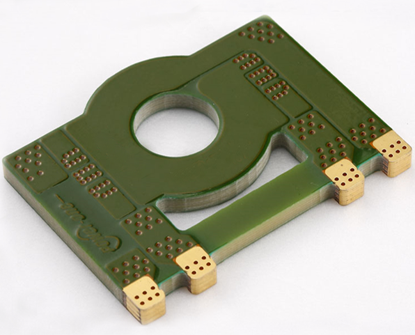
Heavy copper PCBs are widely used in industries requiring high current capacity and strong thermal performance, including:
-
Power supply units
-
Electric vehicle power systems
-
Industrial motor drives
-
Renewable energy inverters (solar and wind)
-
Battery management systems
-
Power distribution equipment
These applications rely on heavy copper PCBs for stable power delivery and long-term reliability.
Heavy Copper PCB vs Standard PCB
| Feature | Standard PCB | Heavy Copper PCB |
|---|---|---|
| Copper Thickness | 1 oz typical | 3–20 oz |
| Current Capacity | Moderate | Very high |
| Heat Dissipation | Limited | Excellent |
| Mechanical Strength | Standard | Reinforced |
| Typical Use | Consumer electronics | Power electronics |
Heavy copper PCBs provide higher power handling capability and improved durability compared to conventional boards.
Conclusion
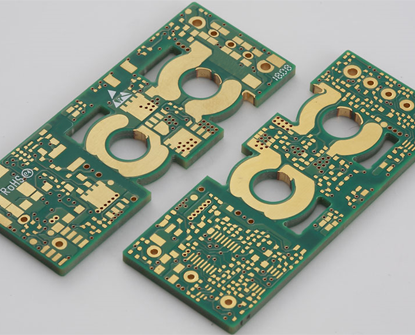
A Heavy Copper PCB is an essential solution for circuits that require high current capacity, efficient heat dissipation, and robust mechanical strength.
By utilizing thick copper layers and optimized thermal design, heavy copper PCBs enable reliable performance in power electronics, industrial systems, automotive applications, and renewable energy technologies.
As modern electronics demand higher power densities and greater efficiency, heavy copper PCB technology continues to play a crucial role in advanced power management systems.
