
What Is a Heavy Copper PCB?
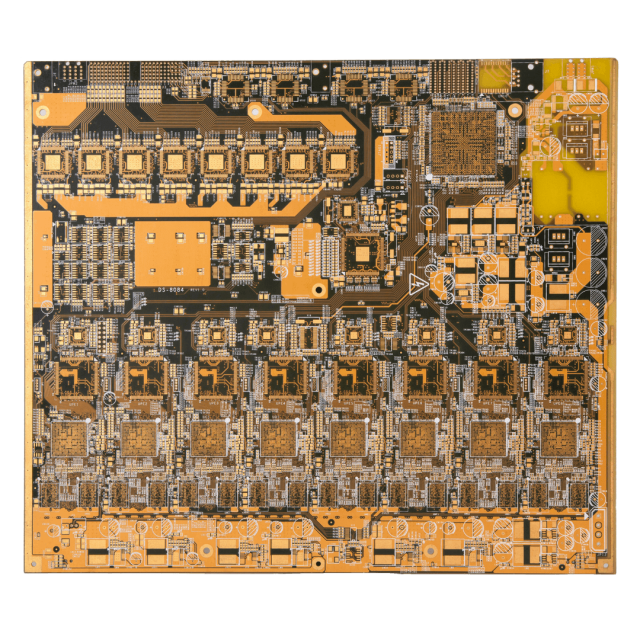
A Heavy Copper PCB is a printed circuit board with copper thickness significantly higher than standard PCBs, typically ranging from 2 oz to 10 oz per square foot (70 μm – 350 μm).
Heavy copper PCBs are engineered for applications that require:
-
High current carrying capability
-
Superior heat dissipation
-
Enhanced mechanical durability
-
High reliability in harsh environments
These PCBs are widely used in power electronics, industrial machines, automotive modules, and renewable energy systems.
Key Features of Heavy Copper PCB
1. High Current Capacity
Thicker copper layers allow heavy copper PCB to handle high currents without excessive heat buildup. Applications include:
-
Power converters and inverters
-
Motor drives and controllers
-
Battery management systems (BMS)
-
Welding and power distribution modules
2. Enhanced Thermal Management
Heavy copper improves heat conduction, ensuring:
-
Reduced temperature rise in high power circuits
-
Extended component lifespan
-
Stable operation under heavy load
Combined with thermal vias and heat sinks, heavy copper PCB optimizes power efficiency and reliability.
3. Superior Mechanical Strength
Thick copper layers also increase mechanical durability, providing:
-
Resistance to board warping
-
Better vibration tolerance
-
Long-term structural stability
This is particularly important in automotive, aerospace, and industrial applications where boards face mechanical stress.
4. High Reliability in Harsh Environments
Heavy copper PCBs are suitable for extreme conditions:
-
High temperature cycling
-
Vibration and shock
-
Industrial chemicals and humidity exposure
This makes them ideal for mission-critical power and industrial control systems.
Applications of Heavy Copper PCB
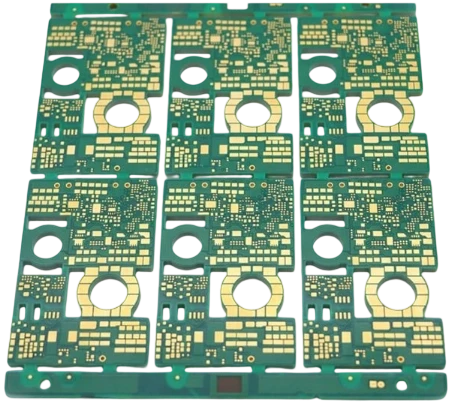
Heavy Copper PCBs are used in:
-
Automotive power modules (EV/HEV inverters)
-
Industrial motor controllers and drives
-
High current power converters and rectifiers
-
Renewable energy systems (solar inverters, wind power)
-
Welding machines and high current distribution boards
-
Aerospace and defense power electronics
These applications require high current capacity, thermal management, and mechanical reliability.
Heavy Copper PCB vs Standard PCB
| Feature | Heavy Copper PCB | Standard PCB |
|---|---|---|
| Copper Thickness | 2–10 oz (70–350 μm) | 1 oz (35 μm) typical |
| Current Carrying Capability | High | Moderate |
| Thermal Management | Excellent | Standard |
| Mechanical Strength | Superior | Standard |
| Application | Power electronics, industrial, automotive | General electronics |
Heavy copper PCB ensures safe and reliable operation in high power and high current applications, outperforming standard PCBs in durability and heat dissipation.
Manufacturing Considerations
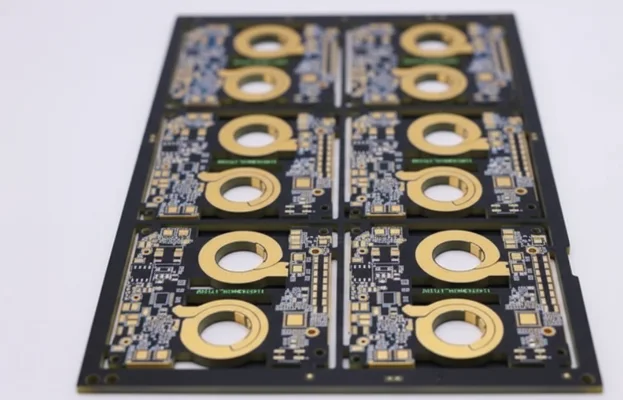
Producing heavy copper PCBs requires:
-
Specialized etching and plating processes for thick copper
-
Precision lamination and drilling for high reliability
-
Thermal via optimization
-
Electrical and thermal testing
-
Experienced manufacturer capable of handling thick copper multilayers
Proper fabrication ensures consistent performance and long-term operational safety.
Conclusion
Heavy Copper PCB provides high current capacity, excellent thermal management, and superior mechanical strength, making it essential for power electronics, industrial control systems, EV/HEV automotive modules, and renewable energy applications. Working with an experienced PCB manufacturer ensures optimized copper thickness, reliable heat dissipation, and long-term operational stability.
