
What Is a BT Epoxy PCB?
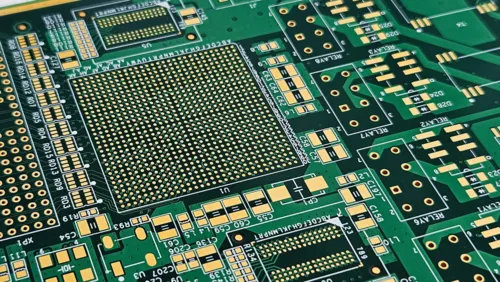
A BT Epoxy PCB is a high-performance PCB built using BT epoxy resin (Bismaleimide-Triazine), a material widely used in IC substrate and semiconductor packaging applications.
Compared to standard FR-4, a BT Epoxy PCB offers:
- Higher glass transition temperature (Tg)
- Lower dielectric loss
- Better dimensional stability
- Improved reliability under thermal stress
Because of these properties, BT Epoxy PCB technology is commonly used in:
- IC substrates (BGA, CSP, flip-chip)
- High-speed digital circuits
- Fine-pitch and high-density designs
In advanced electronics, BT Epoxy PCB is often the bridge between standard PCB and semiconductor substrate technology.
Why BT Epoxy PCB Materials Matter
The performance of a BT Epoxy PCB is driven by its material characteristics:
- High Tg (typically ≥180°C)
Ensures stability during reflow and high-temperature operation - Low Dielectric Loss (Df)
Improves signal integrity in high-speed designs - Stable Dielectric Constant (Dk)
Supports controlled impedance routing - Low Moisture Absorption
Enhances long-term reliability - Excellent Dimensional Stability
Critical for fine-pitch IC substrate manufacturing
These advantages make BT Epoxy PCB ideal for high-speed and high-reliability electronic systems.
BT Epoxy PCB vs FR-4 PCB
Understanding the difference between BT Epoxy PCB and FR-4 helps guide material selection:
| Property | BT Epoxy PCB | FR-4 PCB |
|---|---|---|
| Tg | High | Moderate |
| Loss (Df) | Lower | Higher |
| Dimensional Stability | Excellent | Moderate |
| Application | IC substrate, high-speed | General electronics |
| Cost | Higher | Lower |
Key Insight:
BT Epoxy PCB is chosen for performance and precision—not for cost savings.
Key Applications of BT Epoxy PCB
BT Epoxy PCB is widely used in advanced electronic and semiconductor applications:
- IC Substrates
BGA, CSP, and flip-chip packaging - High-Speed Digital Systems
Servers, networking equipment, and AI hardware - Memory Modules
DRAM and high-density storage - Consumer Electronics
Smartphones and compact devices - High Pin Count Designs
Where routing precision is critical
In these applications, BT Epoxy PCB ensures signal integrity, thermal stability, and manufacturing precision.
Design Considerations for BT Epoxy PCB
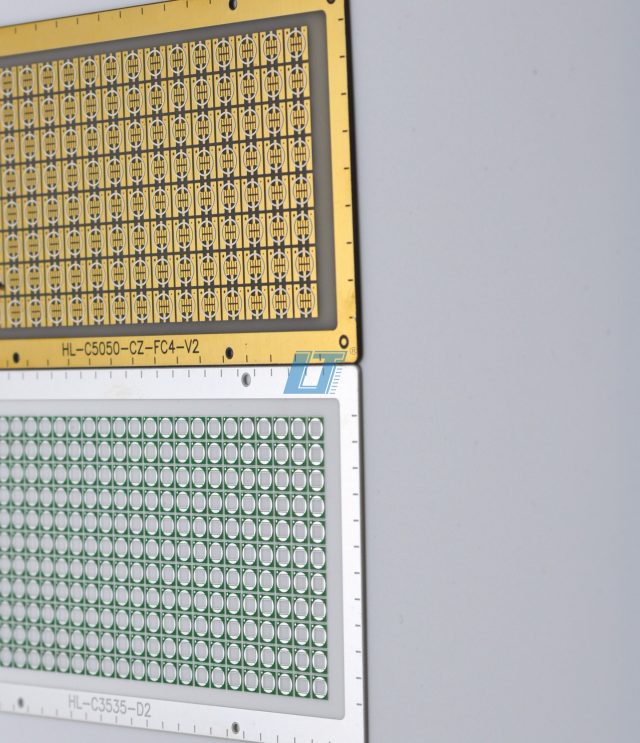
Designing a BT Epoxy PCB requires attention to both electrical and manufacturing factors:
1. Fine Line & High-Density Routing
- Supports narrow trace/space for IC substrate design
2. Controlled Impedance Design
- Stable Dk allows precise impedance control
3. Stack-Up Optimization
- Often used in multilayer and HDI structures
4. Thermal Reliability
- High Tg supports multiple reflow cycles
5. Compatibility with Microvias
- Frequently used with HDI and microvia structures
BT Epoxy PCB design is closely linked to advanced packaging and HDI technologies.
Manufacturing Considerations
BT Epoxy PCB fabrication involves stricter process control than standard PCBs:
- Fine Line Processing Capability
- High Layer Registration Accuracy
- Microvia Drilling and Filling
- Advanced Lamination Techniques
- Strict Quality Control for IC Substrate Standards
Not all manufacturers are equipped to handle BT Epoxy PCB production at high precision.
When Should You Use a BT Epoxy PCB?
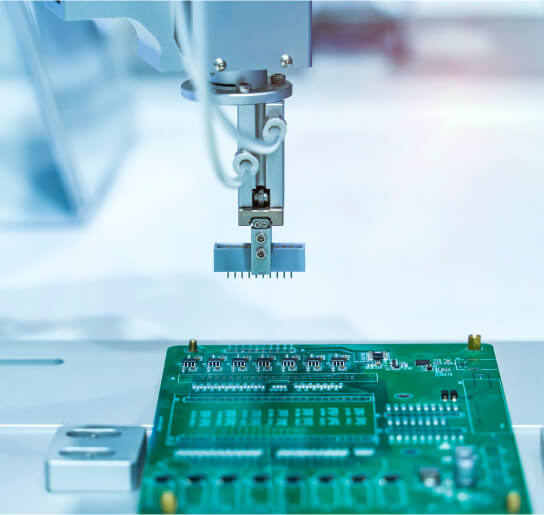
Use BT Epoxy PCB when:
- Designing IC substrates or package substrates
- Working with high-speed digital signals
- Requiring fine-pitch and high-density routing
- Demanding high thermal stability
Avoid BT Epoxy PCB when:
- Design is low-speed and low-density
- Cost sensitivity is high
- Standard FR-4 meets requirements
Engineering principle:Use BT Epoxy PCB when precision and performance outweigh cost considerations.
Common Mistakes in BT Epoxy PCB Design
Avoid these typical issues:
- Treating BT Epoxy PCB like standard FR-4
- Ignoring fine-line manufacturing limits
- Overdesigning with unnecessary high-end materials
- Poor stack-up planning for high-speed signals
- Not considering IC substrate-level tolerances
These mistakes can lead to yield loss and increased cost.
Final Thoughts
BT Epoxy PCBs play a critical role in modern electronics, especially in IC packaging and high-speed systems.
Their advantages in thermal stability, signal integrity, and precision manufacturing make them essential for advanced applications.
At KKPCB, we provide BT Epoxy PCB manufacturing and design support, helping customers achieve high-density, high-speed, and high-reliability performance in demanding applications.
