
What Is an Alumina PCB?
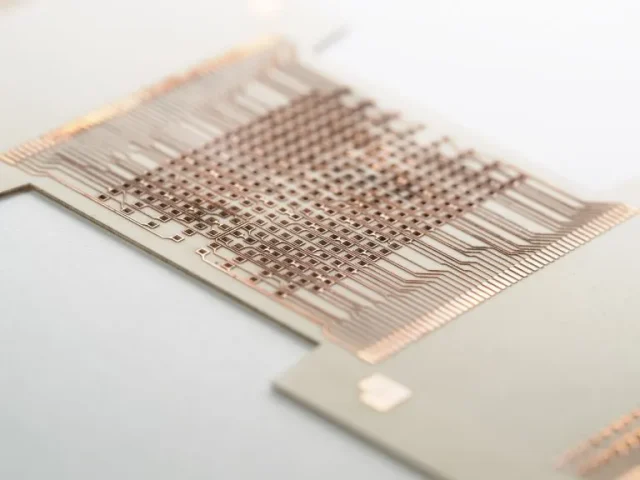
An Alumina PCB is a type of ceramic PCB manufactured using aluminum oxide (Al₂O₃) as the base substrate. Unlike traditional FR-4 materials, Alumina PCB provides superior thermal conductivity, excellent electrical insulation, and outstanding stability under high temperature and high power conditions.
Because of these characteristics, Alumina PCBs are widely used in power electronics, semiconductor devices, burn-in boards, and high-reliability industrial systems.
Material Properties of Alumina PCB
Alumina ceramic material delivers stable and reliable performance:
-
High thermal conductivity for efficient heat dissipation
-
Excellent dielectric strength and insulation
-
Low coefficient of thermal expansion (CTE)
-
High temperature resistance
-
Outstanding mechanical strength
-
Excellent chemical and moisture resistance
These properties make Alumina PCB an ideal high thermal conductivity PCB for harsh environments.
Advantages of Alumina PCB
Using an Alumina PCB offers several key advantages:
-
Efficient heat dissipation for high-power components
-
Stable performance under extreme temperature cycles
-
High reliability for long-term operation
-
Excellent compatibility with power modules
-
Superior insulation for high-voltage designs
As a result, Alumina PCB is often selected for high temperature PCB and semiconductor PCB applications.
Manufacturing Technologies for Alumina PCB
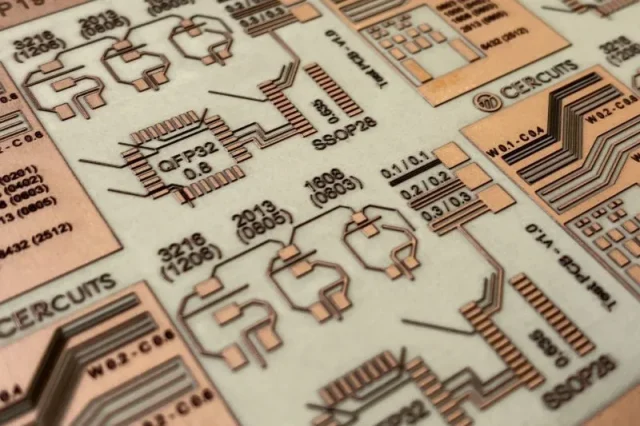
Common manufacturing methods for Alumina PCB include:
-
Direct Bonded Copper (DBC)
-
Direct Plated Copper (DPC)
-
Thick-film circuit processing
-
Thin-film metallization
-
Laser drilling and precision machining
The choice of process depends on current capacity, thermal performance, and circuit complexity.
Design Considerations for Alumina PCB
When designing an Alumina PCB, engineers should carefully consider:
-
Copper thickness and current density
-
Thermal path and heat spreading design
-
Pad layout and solder joint reliability
-
Mechanical mounting and stress control
-
Integration with metal housings or heat sinks
Proper design ensures maximum reliability and thermal efficiency.
Applications of Alumina PCB
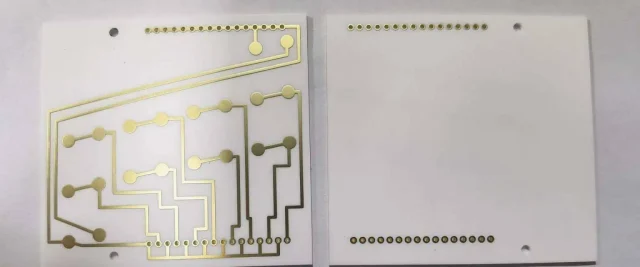
Alumina PCBs are widely applied in:
-
Power electronics and power modules
-
Semiconductor packaging and test boards
-
Burn-in PCB and load board PCB
-
LED and laser diode substrates
-
Automotive and industrial electronics
-
High-temperature sensor systems
They are especially suitable for high-power and high-reliability applications.
Conclusion
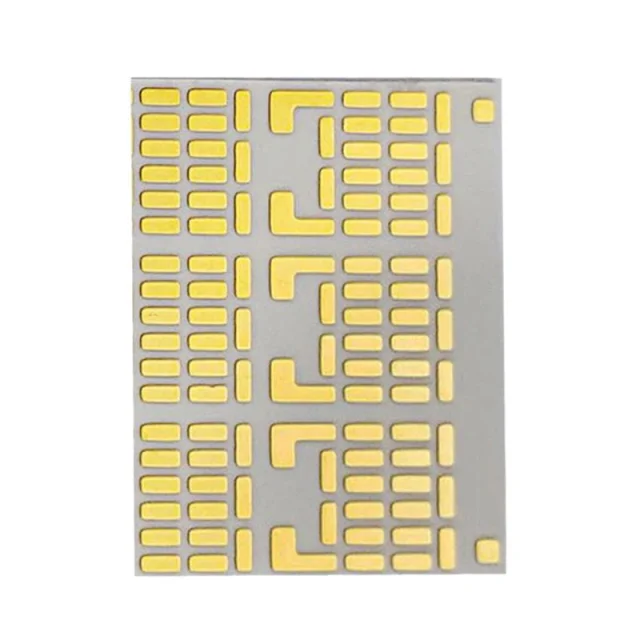
An Alumina PCB combines high thermal conductivity, excellent electrical insulation, and exceptional reliability, making it a preferred solution for power electronics and semiconductor applications.
Choosing an experienced Alumina PCB manufacturer ensures precise processing, stable quality, and dependable performance from prototype to volume production.
