
Industrial PCB Requirements and Challenges
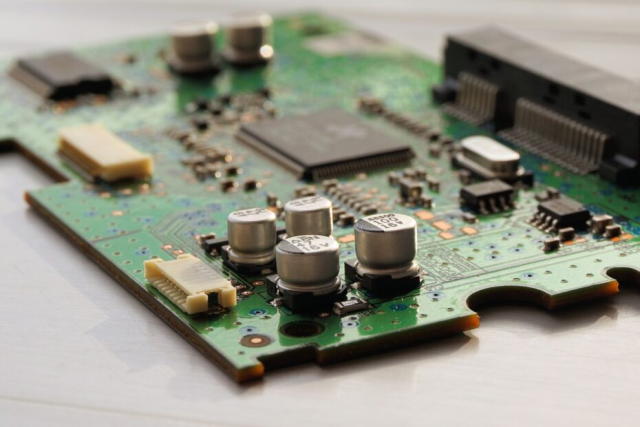
In industrial control systems, PCB assembly (PCBA) plays a critical role in ensuring system stability, long-term reliability, and real-time control performance. Unlike consumer electronics, industrial PCBs must operate under harsh environments, including high temperature, humidity, electrical noise, and mechanical vibration.
To achieve reliable operation, industrial PCBs require optimized design, material selection, manufacturing processes, and assembly techniques.
1. Key Characteristics of Industrial PCBs
Industrial PCBs are designed for:
- High reliability and long lifespan (5–15 years)
- Resistance to temperature extremes (-40°C to +85°C or higher)
- Strong EMI/EMC performance
- High mechanical durability and vibration resistance
- Stable power distribution and signal integrity
2. Industrial PCB Design Guidelines
1. Robust Circuit Design
- Use redundant circuits for critical functions
- Design for fault tolerance and safety
- Ensure stable power supply circuits
2. Signal Integrity and EMI Control
- Separate analog and digital signals
- Implement proper grounding and shielding
- Use controlled impedance routing for high-speed signals
3. Power Integrity Design
- Optimize power distribution network (PDN)
- Use sufficient decoupling capacitors
- Minimize voltage drops and noise
4. Thermal Management
- Use thermal vias and copper pours
- Select high-Tg and high thermal conductivity materials
- Place heat-generating components strategically
3. Material Selection for Industrial PCBs
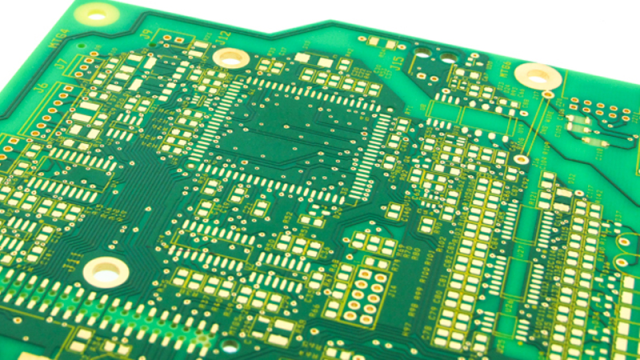
1. Base Materials
- High-Tg FR4 for standard industrial applications
- High-frequency laminates for RF systems
- Metal core PCBs (MCPCB) for high-power applications
2. Surface Finishes
- ENIG for high reliability and corrosion resistance
- OSP for cost-effective applications
- Immersion silver for high-speed circuits
3. Protective Coatings
- Conformal coating for moisture and chemical protection
- Enhances resistance to dust, humidity, and corrosion
4. Industrial PCB Manufacturing Process
Step 1: PCB Fabrication
- Multilayer PCB manufacturing with strict process control
- Precision etching, drilling, and plating
Step 2: Quality Control
- AOI inspection for defects
- X-ray inspection for multilayer boards
- Electrical testing (continuity, insulation)
Step 3: Reliability Testing
- Thermal cycling tests
- Humidity testing (85/85 conditions)
- Vibration and shock testing
5. PCB Assembly (PCBA) for Industrial Applications
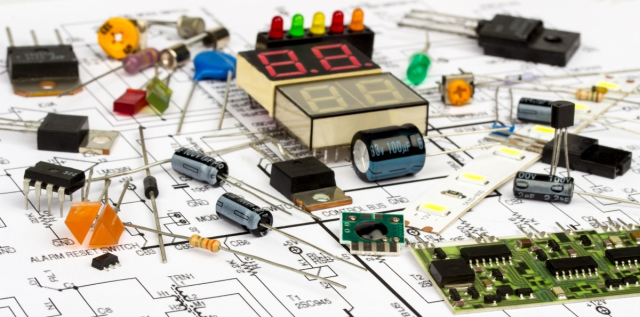
1. SMT and Through-Hole Assembly
- Combination of SMT and THT processes
- THT provides stronger mechanical support for heavy components
2. Soldering Techniques
- Lead-free reflow soldering
- Wave soldering for through-hole components
- Controlled temperature profiles to ensure joint reliability
3. Component Selection
- Use industrial-grade components
- Ensure wide temperature rating and durability
- Prefer components with long lifecycle availability
6. Testing and Validation for Industrial PCBA
- In-Circuit Testing (ICT) for electrical validation
- Functional testing (FCT) for system performance
- Burn-in testing for long-term reliability
- Environmental stress screening (ESS)
7. Common Challenges in Industrial PCB Assembly
- Thermal stress and overheating
- EMI interference affecting signals
- Mechanical failure due to vibration
- Moisture-induced failures (CAF, corrosion)
Proper design and manufacturing can mitigate these risks.
8. Best Practices for High-Reliability Industrial PCBs
- Use high-quality materials and components
- Implement robust PCB design rules
- Ensure strict manufacturing process control
- Apply protective coatings and sealing
- Perform comprehensive testing and validation
Applications of Industrial PCBs
- PLC (Programmable Logic Controllers)
- Industrial automation systems
- Motor drives and power control units
- Industrial IoT (IIoT) devices
- Energy management systems
Conclusion
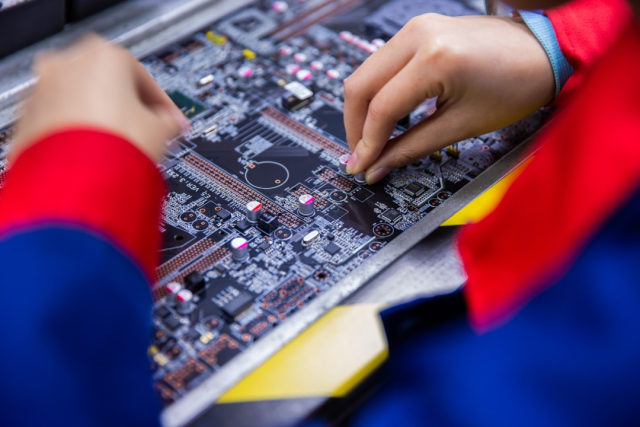
PCB assembly for industrial controls requires a comprehensive approach combining robust design, high-quality materials, precise manufacturing, and rigorous testing. By following best practices in industrial PCB design and PCBA, manufacturers can achieve high reliability, long service life, and stable performance in demanding environments.
Industrial PCBs are the backbone of modern automation, enabling efficient, safe, and intelligent control systems.
