
Industrial PCB Assembly as the Backbone of Automation Systems
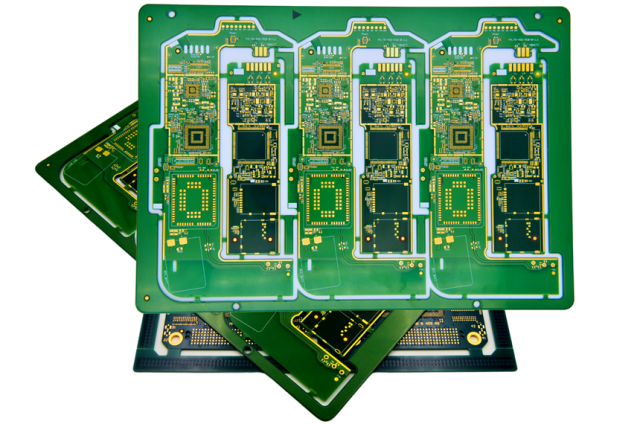
In modern industrial control systems, PCB assembly (PCBA) is the core foundation that ensures reliable operation of automation equipment, PLC systems, motor drives, robotics controllers, and industrial IoT devices.
Compared with consumer electronics, industrial PCBs must withstand harsh environments, including high temperature, electrical noise (EMI), vibration, humidity, and long operating cycles. Therefore, both industrial PCB design and industrial PCB assembly require higher standards of reliability, durability, and stability.
What is an Industrial PCB?
An industrial PCB (Printed Circuit Board) is a specially designed circuit board used in industrial control applications that must provide:
- Long-term high reliability operation
- Strong EMI/EMC resistance
- Stable performance under temperature and humidity variations
- Robust mechanical strength and vibration resistance
These boards are commonly used in industrial automation PCB systems and industrial PCBA solutions.
Key Requirements for Industrial PCB Design
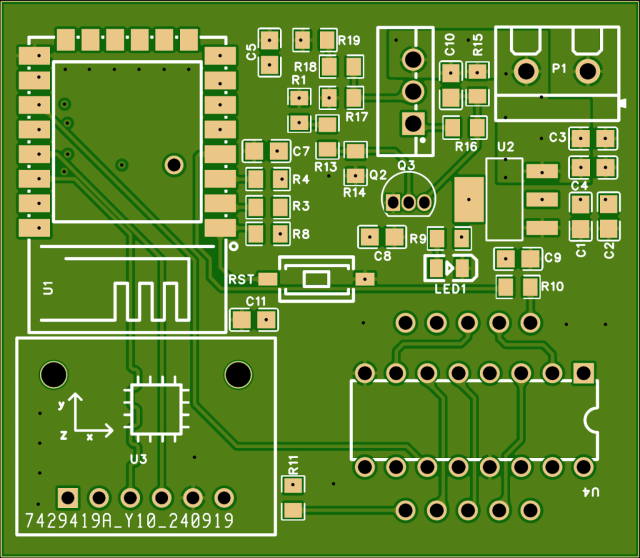
1. High Reliability Industrial PCB Design
- Use high-Tg FR4 or advanced laminate materials
- Ensure long lifecycle components (10–15 years operation)
- Design for continuous 24/7 operation
2. EMI/EMC Control in Industrial PCB
- Proper grounding and shielding design
- Separation of analog and digital circuits
- Use of filtering components (ferrite beads, capacitors)
3. Signal Integrity in Industrial PCBA
- Controlled impedance routing for high-speed signals
- Minimized crosstalk and interference
- Stable industrial communication interfaces (RS485, CAN, Ethernet)
4. Power Integrity Design
- Stable power distribution network (PDN)
- Adequate decoupling capacitor placement
- Protection against voltage spikes and noise
5. Thermal Management
- Use of thermal vias and copper pours
- Proper placement of heat-generating components
- Selection of high thermal conductivity PCB materials
Industrial PCB Manufacturing Process
Step 1: Material Selection for Industrial PCB
- High-Tg FR4 for standard applications
- Metal core PCB for high-power systems
- High-frequency laminates for communication modules
Step 2: PCB Fabrication
- Multilayer industrial PCB stack-up manufacturing
- Precision etching, drilling, and plating processes
- Tight tolerance control for industrial-grade reliability
Step 3: Surface Finish
- ENIG for high reliability and corrosion resistance
- HASL for cost-effective solutions
- OSP for specific assembly requirements
Step 4: PCB Assembly (PCBA Process)
SMT Assembly (Surface Mount Technology)
- High-precision component placement
- Reflow soldering with controlled thermal profiles
THT Assembly (Through-Hole Technology)
- Used for connectors and power components
- Provides strong mechanical durability
Step 5: Conformal Coating
- Protection against dust, humidity, and chemical exposure
- Improves long-term industrial reliability
Step 6: Testing and Quality Control
- AOI (Automated Optical Inspection)
- ICT (In-Circuit Testing)
- Functional Testing (FCT)
- Burn-in testing for long-term stability
Common Challenges in Industrial PCB Assembly
- High EMI interference in industrial environments
- Long-term thermal stress and aging effects
- Mechanical stress from vibration and shock
- Moisture-induced failures such as corrosion and CAF
Solutions for High-Reliability Industrial PCBs
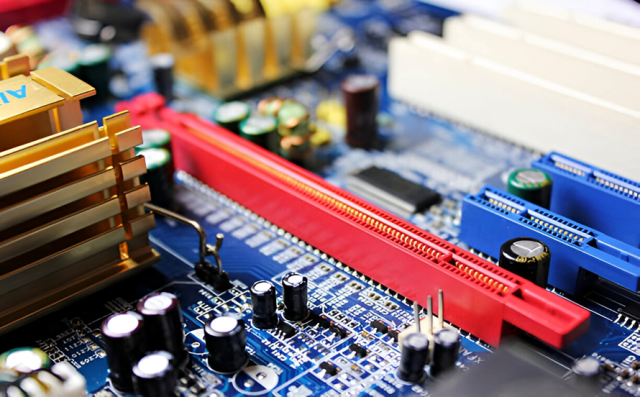
- Use industrial-grade components with wide temperature range
- Optimize multilayer PCB stack-up design
- Apply robust EMI shielding and grounding techniques
- Implement strict manufacturing and testing control
Applications of Industrial PCB Assembly
- PLC and industrial controllers
- Factory automation systems
- Motor drives and power control systems
- Industrial IoT (IIoT) devices
- Robotics and motion control systems
Conclusion
Industrial PCB assembly (PCBA) is a critical process that determines the reliability and performance of industrial control systems. By combining robust PCB design, high-quality materials, precise manufacturing, and rigorous testing, manufacturers can achieve high-reliability industrial PCBs capable of long-term stable operation in harsh environments.
As industrial automation continues to evolve, industrial PCBA solutions will remain the foundation of smart manufacturing and Industry 4.0 systems.
