
Why Heavy Copper PCB Technology Is Increasingly Important
Modern electronic systems are rapidly demanding:
- Higher power density
- Greater current carrying capability
- Improved thermal reliability
- More compact power architectures
- Enhanced system durability
Applications such as:
- Electric vehicles
- Industrial automation systems
- Renewable energy equipment
- Aerospace power electronics
- High-power communication infrastructure
require PCB solutions capable of handling:
- High current loads
- Extreme thermal conditions
- Continuous power cycling
- Harsh operating environments
Standard PCB structures often struggle with:
- Excessive heat accumulation
- Copper trace overheating
- Current bottlenecks
- Reduced long-term reliability
As a result, engineers increasingly adopt Heavy Copper PCB technology to improve:
- Current carrying performance
- Thermal dissipation efficiency
- Power electronics reliability
At KKPCB, advanced heavy copper PCB solutions are engineered for:
- High-current power systems
- Industrial control electronics
- Automotive power conversion platforms
What Is a Heavy Copper PCB?
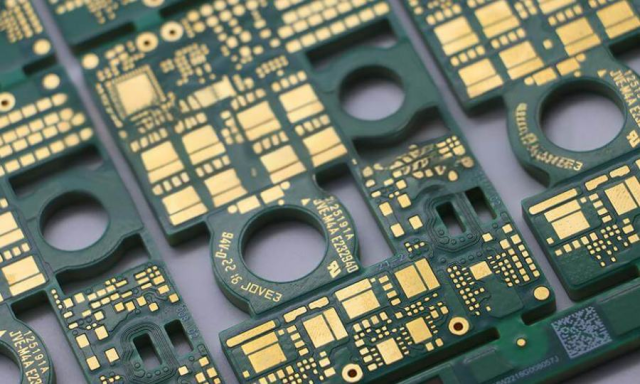
A Heavy Copper PCB is a printed circuit board manufactured with thicker copper layers than standard PCB structures.
Heavy copper PCB technology commonly uses:
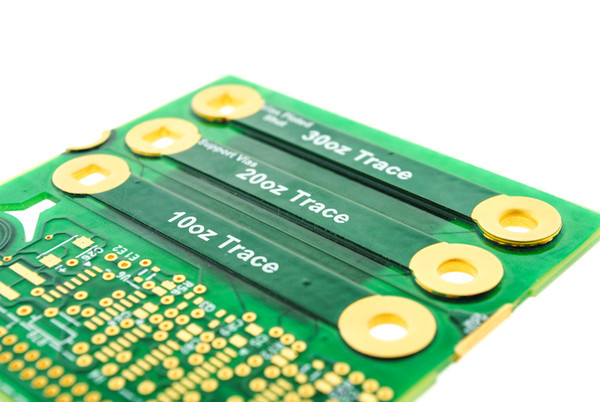
- 3 oz copper
- 4 oz copper
- 6 oz copper
- 10 oz copper or higher
These thick copper structures improve:
- Current carrying capability
- Thermal conductivity
- Mechanical durability
- Power distribution stability
Heavy Copper PCB systems are widely used in:
- Power supplies
- Motor control systems
- Battery management systems
- Industrial converters
- Automotive power electronics
Key Characteristics of Heavy Copper PCB
High Current Carrying Capability
One of the primary advantages of Heavy Copper PCB technology is its ability to support:
- Large current loads
- High-power electrical systems
- Stable power transmission
Thicker copper reduces electrical resistance, helping:
- Lower voltage drop
- Improve power efficiency
- Reduce heat generation
This is critical in:
- EV power systems
- Industrial power converters
- High-current control electronics
Superior Thermal Management
Heavy copper layers significantly improve:
- Heat spreading capability
- Thermal conductivity
- Power dissipation efficiency
Efficient thermal performance reduces:
- Component overheating
- Thermal stress
- Reliability degradation
Thermal optimization is especially important in:
- High-power inverters
- Motor drivers
- Renewable energy systems
At KKPCB, advanced thermal PCB solutions improve:
- High-current operational stability
- Long-term thermal reliability
- Power electronics performance
Enhanced Mechanical Strength
Heavy Copper PCB structures provide:
- Improved mechanical durability
- Better vibration resistance
- Stronger copper bonding reliability
These advantages are valuable for:
- Aerospace electronics
- Automotive systems
- Industrial machinery control
High Reliability Under Harsh Conditions
Heavy Copper PCB technology supports:
- Continuous high-current operation
- Thermal cycling resistance
- High-power switching stability
These capabilities improve:
- System lifespan
- Electrical reliability
- Industrial durability
PCB Materials Used in Heavy Copper PCB
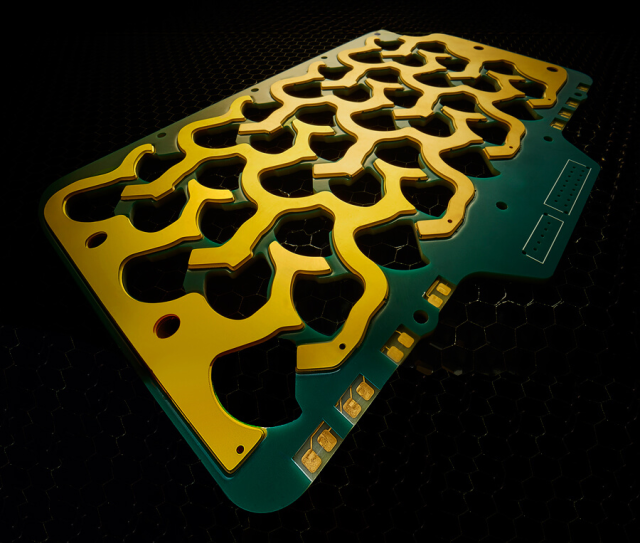
Material selection strongly affects:
- Thermal performance
- Structural reliability
- Electrical stability
- Manufacturing capability
Common Heavy Copper PCB materials include:
- High Tg FR4
- Metal core PCB substrates
- Ceramic-filled laminates
- High thermal conductivity materials
Important material properties include:
- High thermal stability
- Excellent copper adhesion
- Low thermal expansion mismatch
- Mechanical strength
Multilayer Stack-Up Design for Heavy Copper PCB
Heavy copper multilayer PCB structures require careful stack-up engineering.
Important considerations include:
- Copper balancing
- Layer symmetry
- Thermal expansion management
- Power distribution optimization
Proper multilayer design improves:
- Current flow consistency
- Thermal stability
- Structural reliability
Advanced multilayer Heavy Copper PCB designs support:
- High-density power routing
- Compact power electronics integration
- Improved EMI suppression
Thermal Design Optimization
Thermal management is one of the most critical aspects of Heavy Copper PCB engineering.
Thermal optimization techniques include:
- Large copper planes
- Thermal via arrays
- Heat-spreading structures
- Heat sink integration
- High-conductivity substrate selection
Efficient thermal design improves:
- Power conversion efficiency
- Long-term reliability
- Electronic component lifespan
Controlled Impedance in Heavy Copper PCB
Some heavy copper systems also require:
- High-speed communication interfaces
- RF control systems
- Signal integrity optimization
Heavy copper PCB routing must carefully manage:
- Trace geometry
- Layer spacing
- Return current paths
These techniques improve:
- Signal stability
- Communication reliability
- Power control accuracy
Manufacturing Challenges of Heavy Copper PCB
Heavy Copper PCB fabrication requires specialized manufacturing capability.
Key manufacturing challenges include:
- Thick copper etching control
- Precise multilayer lamination
- Drill quality management
- Copper balancing optimization
- Thermal stress control
Thick copper processing must minimize:
- Over-etching
- Uneven copper distribution
- Lamination voids
- Structural deformation
At KKPCB, advanced manufacturing technologies ensure:
- Stable thick copper processing
- Reliable multilayer PCB quality
- Consistent high-current manufacturing capability
Applications of Heavy Copper PCB
Heavy Copper PCB technology is widely used in:
- Electric vehicle power systems
- Industrial motor controllers
- Solar inverters
- Power conversion equipment
- Aerospace power electronics
- High-current communication systems
- Battery management systems
These applications require:
- High-current capability
- Efficient thermal dissipation
- Long-term operational reliability
Future Trends in Heavy Copper PCB Technology
Future Heavy Copper PCB development focuses on:
- Electric vehicle electrification
- Renewable energy infrastructure
- AI power systems
- High-density power electronics
- Advanced industrial automation platforms
Emerging technologies require:
- Higher current density
- Better thermal efficiency
- More compact power systems
- Improved manufacturing precision
Conclusion
Heavy Copper PCB technology is essential for modern:
- High-power electronics
- Industrial control systems
- Automotive power platforms
- Renewable energy equipment
Through optimized:
- Thick copper multilayer design
- Thermal management engineering
- Power routing optimization
- Controlled impedance design
- Advanced manufacturing precision
engineers can achieve:
- Better current carrying performance
- Improved thermal reliability
- Higher power efficiency
- Longer electronic system lifespan
With extensive expertise in power electronics PCB engineering and thick copper manufacturing, KKPCB delivers advanced PCB solutions for demanding high-current applications.
