
What is a Buried Via PCB?
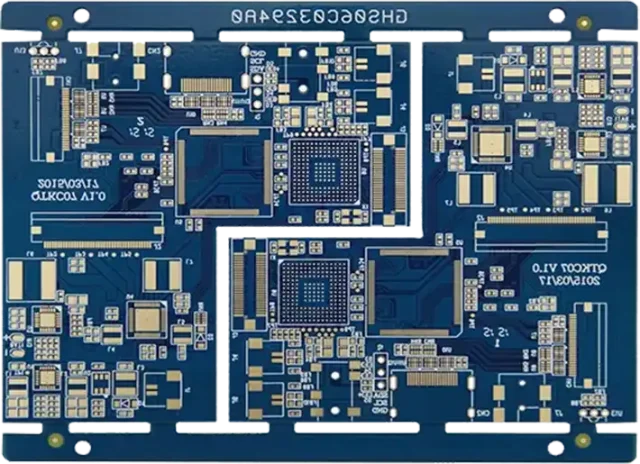
A Buried Via PCB is a multilayer printed circuit board where vias are located between internal layers only, without extending to the outer layers.
Unlike through-hole vias, a buried via PCB allows connections between inner layers while keeping the outer layers free for routing, enabling higher circuit density and improved signal performance.
Buried via PCB technology is commonly used in:
- HDI PCB designs
- High-speed digital systems
- Compact electronic devices
- Advanced multilayer PCBs
Buried Via PCB vs Blind Via vs Through-Hole
Understanding via types is essential in multilayer PCB design:
| Via Type | Connection | Visibility |
|---|---|---|
| Through-hole via | All layers | Visible outside |
| Blind via | Outer to inner layer | Visible on one side |
| Buried via PCB | Inner layers only | Not visible |
Why Use Buried Via PCB?
Buried via PCB technology offers several advantages:
1. Increased Routing Density
More space on outer layers for signal routing.
2. Improved Signal Integrity
Shorter signal paths reduce delay and loss.
3. Reduced Crosstalk
Better separation between signal layers.
4. Compact PCB Design
Essential for miniaturized and high-density electronics.
Buried Via PCB in HDI Technology
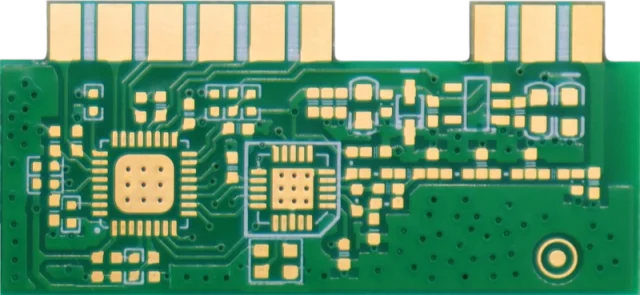
Buried via PCB is often used together with HDI PCB structures:
- Combined with microvias for high-density interconnect
- Used in multi-stage lamination processes
- Supports complex routing architectures
Manufacturing Process of Buried Via PCB
Producing a buried via PCB involves:
1. Inner Layer Drilling
Vias are drilled only in internal layers.
2. Via Metallization
Copper plating ensures electrical connectivity.
3. Sequential Lamination
Layers are laminated after via formation.
4. Multilayer Alignment
Precise registration is required across all layers.
Manufacturing Challenges
Buried Via PCB production is more complex than standard PCB:
1. Layer Alignment Accuracy
Misalignment can lead to open circuits.
2. Process Complexity
Multiple lamination cycles increase risk.
3. Yield Control
Higher density leads to higher defect probability.
4. Cost Consideration
Buried via PCB is more expensive than through-hole PCB.
Applications of Buried Via PCB
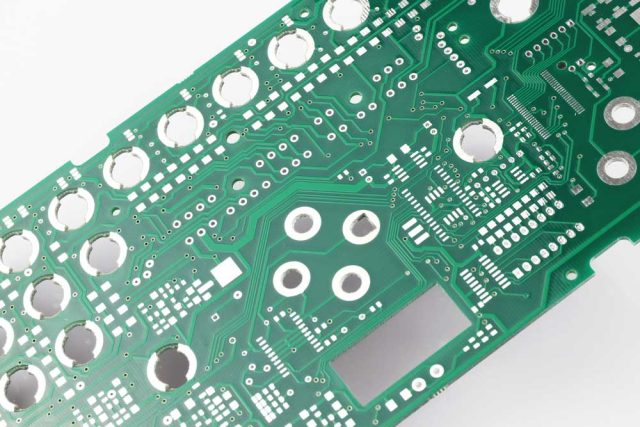
1. HDI PCB Designs
Smartphones, tablets, and compact devices.
2. High-Speed Computing
Servers and networking equipment.
3. Automotive Electronics
ADAS and control modules.
4. Medical Devices
Miniaturized and high-reliability systems.
5. Aerospace Electronics
High-performance multilayer PCBs.
Design Considerations
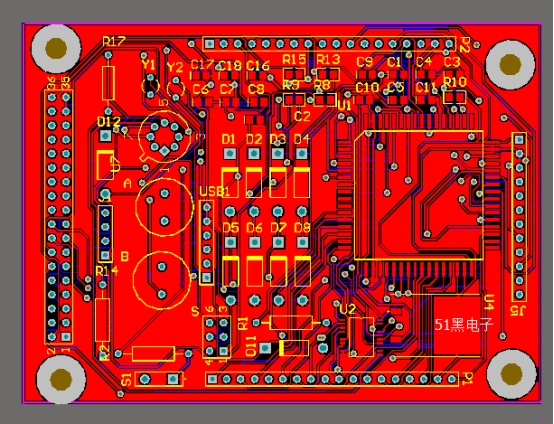
1. Stack-Up Planning
Buried via PCB must be designed with proper layer structure.
2. Via Structure Optimization
Avoid excessive via complexity to maintain yield.
3. Signal Integrity
Shorter via paths improve performance.
4. DFM Collaboration
Work closely with manufacturer to ensure feasibility.
When Should You Use a Buried Via PCB?
Choose a buried via PCB when:
- Designing high-density multilayer PCBs
- Space optimization is critical
- Signal integrity must be improved
- HDI technology is required
Avoid it when:
- Design is simple
- Cost is the main concern
- Standard vias meet requirements
Conclusion
Buried Via PCB technology is a key enabler for advanced multilayer and high-density PCB designs, offering improved routing flexibility and signal performance.With proper design and manufacturing expertise, buried via PCB provides a reliable solution for modern electronic systems.
