
A High Tg PCB is a printed circuit board designed using laminates with elevated glass transition temperatures (Tg), typically above 170°C. High Tg materials maintain mechanical integrity, dimensional stability, and electrical performance under high-temperature operations, soldering processes, and thermal cycling.
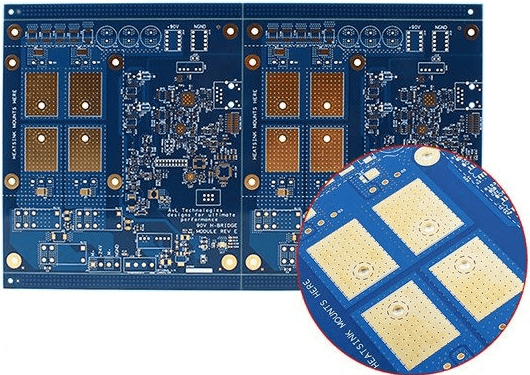
High Tg PCBs are essential in applications where heat dissipation, reliability, and long-term durability are critical, including:
-
Automotive electronics
-
Aerospace and defense systems
-
High-speed networking equipment
-
Industrial control and power electronics
By using high Tg laminates, engineers can prevent warping, delamination, and signal integrity degradation in demanding operating environments.
Material Advantages
High Tg laminates offer several key benefits for PCB design:
-
Thermal Stability:
Elevated Tg values prevent softening under high-temperature soldering and operational conditions, maintaining layer alignment and mechanical strength. -
Dimensional Reliability:
Low coefficient of thermal expansion (CTE) reduces the risk of misalignment in multilayer boards, improving assembly yield and long-term reliability. -
Enhanced Mechanical Strength:
High Tg materials withstand vibration, shock, and mechanical stress, making them ideal for automotive, aerospace, and industrial applications. -
Electrical Performance:
Maintains dielectric properties under thermal stress, ensuring consistent impedance and signal integrity for high-speed and high-frequency circuits. -
Compatibility with Lead-Free Processes:
High Tg PCBs support modern lead-free soldering processes without degradation of material properties.
Design Considerations
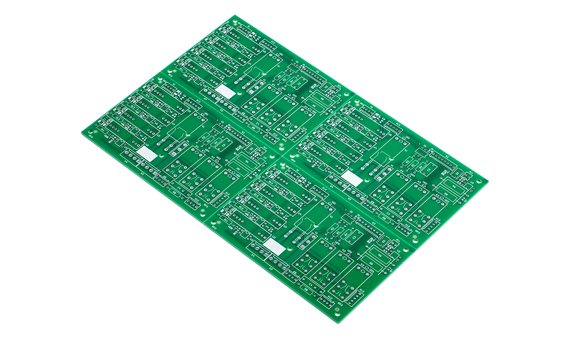
When designing high Tg PCBs, engineers must consider:
-
Thermal Management:
Use thermal vias, copper planes, and heat-spreading techniques to manage power dissipation. -
Layer Stack-Up Planning:
Careful selection of high Tg laminates for inner and outer layers ensures mechanical and electrical stability. -
Controlled Impedance Traces:
High-speed traces require consistent dielectric properties to prevent reflections and maintain signal fidelity. -
Mechanical Reinforcement:
Thicker copper, plated-through holes, and via stitching improve robustness under thermal cycling and vibration. -
Hybrid Material Integration:
Combining high Tg laminates with standard FR-4 layers can optimize cost while maintaining thermal performance where needed.
Fabrication & Reliability
High Tg PCBs require precise fabrication techniques:
-
Lamination Control:
Accurate temperature and pressure profiles ensure proper bonding and prevent delamination. -
Drilling & Plating:
Mechanical and laser drilling must maintain via alignment without compromising material integrity. -
Surface Finishes:
ENIG, hard gold, or immersion silver finishes enhance solderability and protect against oxidation under thermal stress. -
Quality Assurance:
-
Thermal cycling and solder heat resistance testing
-
AOI and X-ray inspections for multilayer alignment and via integrity
-
Electrical testing to ensure controlled impedance and high-speed signal performance
-
KKPCB applies strict fabrication and QA procedures to deliver High Tg PCBs that are reliable and durable in high-temperature applications.
Applications
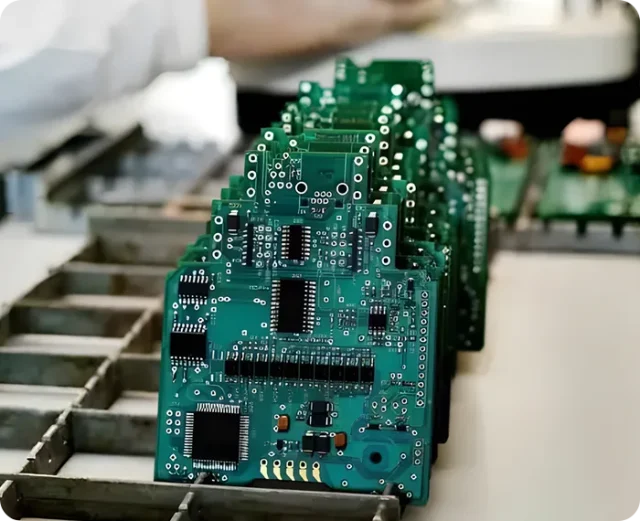
High Tg PCBs are widely used in industries requiring thermal reliability and mechanical durability:
-
Automotive Electronics: Power modules, ECUs, and sensors in high-temperature environments
-
Aerospace & Defense: Avionics, radar systems, and satellite electronics
-
High-Speed Networking: Routers, switches, and server motherboards
-
Industrial Control: Robotics, power converters, and motor controllers
-
Consumer Electronics: Compact, high-performance devices exposed to heat during operation
By combining high glass transition temperature materials, robust multilayer design, and precise fabrication, KKPCB ensures High Tg PCBs maintain reliable performance under extreme thermal and mechanical conditions.
