
Automotive radar systems are a core component of modern ADAS and autonomous driving technologies. Operating at high frequencies such as 24 GHz, 77 GHz, and 79 GHz, these systems demand extremely stable RF performance and long-term reliability. Automotive radar PCB manufacturing plays a critical role in ensuring accurate signal transmission, detection precision, and system safety.
Compared with standard electronics, automotive radar PCBs require stricter material selection, advanced manufacturing control, and automotive-grade quality assurance.
What Is Automotive Radar PCB Manufacturing?
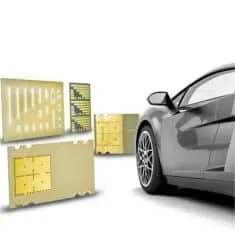
Automotive radar PCB manufacturing refers to the fabrication of high-frequency PCBs used in radar sensors for vehicles. These PCBs support mmWave signal transmission, antenna integration, and RF front-end circuits under harsh automotive environments.
Key characteristics include:
-
High-frequency and mmWave operation
-
Low signal loss and stable dielectric properties
-
Controlled impedance structures
-
Resistance to vibration, heat, and humidity
Frequency Bands and PCB Requirements for Automotive Radar
Automotive radar systems typically operate in:
-
24 GHz (short-range radar)
-
77–79 GHz (long- and mid-range radar for ADAS)
At these frequencies, PCB material performance and manufacturing precision directly affect radar resolution and detection accuracy.
Materials Used in Automotive Radar PCB Manufacturing
A professional automotive radar PCB manufacturer supports advanced low-loss materials such as:
-
Rogers RO3003 / RO4003 / RO4350
-
Taconic RF and TLY series
-
PTFE-based laminates
-
Hybrid stackups combining RF materials and FR-4
These materials provide low Df, stable Dk, and excellent thermal performance.
Key Manufacturing Challenges in Automotive Radar PCBs
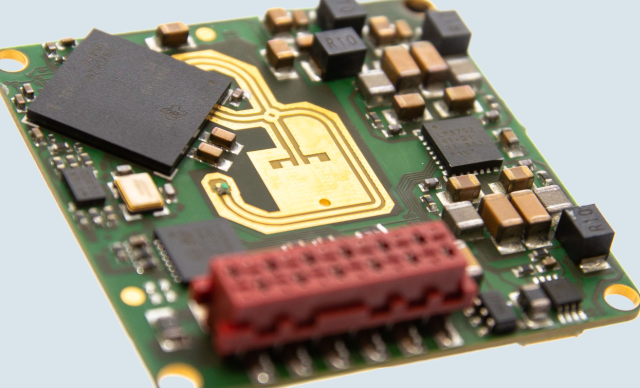
Ultra-Low Loss Control
Signal attenuation must be minimized at mmWave frequencies to ensure accurate radar sensing.
Precise Controlled Impedance
Strict impedance control is required for RF transmission lines and antenna structures.
Fine-Line and High-Precision Fabrication
Automotive radar PCBs often require extremely fine trace geometry and tight tolerances.
Thermal and Mechanical Reliability
PCBs must withstand automotive temperature cycling, vibration, and long service life.
Controlled Impedance and RF Process Control
High-quality automotive radar PCB manufacturing includes:
-
Detailed stackup simulation and impedance modeling
-
Tight control of dielectric thickness and copper roughness
-
Controlled impedance fabrication (±5% or tighter)
-
TDR impedance testing and RF verification
These processes ensure stable and repeatable radar performance.
Automotive-Grade Quality and Reliability Standards
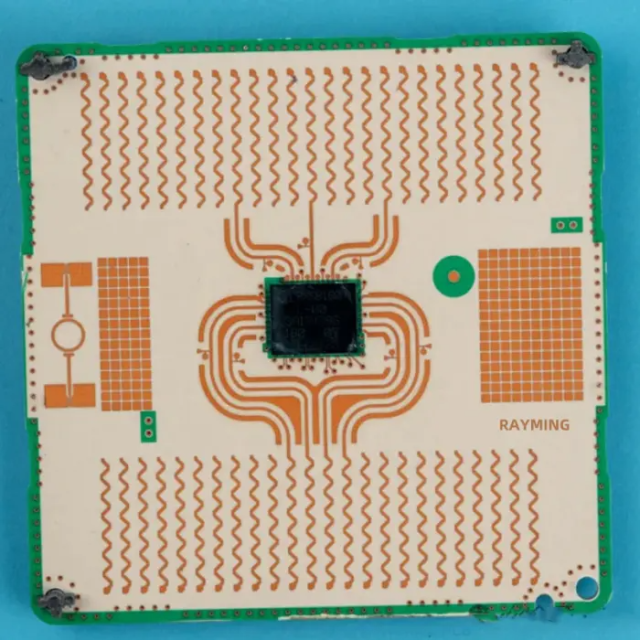
A qualified automotive radar PCB manufacturer complies with:
-
IATF 16949 quality management systems
-
Automotive reliability testing
-
AOI and X-ray inspection
-
Electrical and impedance testing
-
Long-term process consistency
These standards ensure safety and durability in automotive environments.
Applications of Automotive Radar PCBs
Automotive radar PCBs are widely used in:
-
Adaptive cruise control (ACC)
-
Automatic emergency braking (AEB)
-
Blind spot detection (BSD)
-
Lane change assist and parking radar
-
Autonomous driving sensor systems
Each application requires precise and reliable radar PCB performance.
Choosing a Partner for Automotive Radar PCB Manufacturing
When selecting a supplier for automotive radar PCB manufacturing, consider:
-
Experience with mmWave and radar PCBs
-
Support for automotive-grade materials
-
Controlled impedance and RF testing capability
-
Compliance with automotive quality standards
-
Capability from prototype to mass production
The right manufacturing partner is critical for safety-critical systems.
Conclusion
Automotive radar PCB manufacturing demands advanced RF materials, ultra-low loss performance, precise impedance control, and automotive-grade reliability. With professional manufacturing processes and strict quality management, automotive radar PCBs deliver the accuracy and durability required for ADAS and autonomous driving systems.
Partnering with an experienced automotive radar PCB manufacturer ensures your radar projects meet performance, safety, and scalability requirements.
