
The Growing Demand for High Frequency PCB Solutions
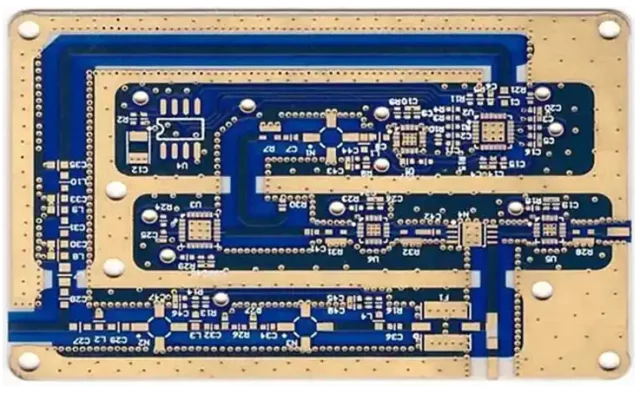
As modern electronic systems continue evolving toward higher frequencies, faster data transmission, and greater signal integrity requirements, the demand for advanced high frequency PCB manufacturing is increasing rapidly. Industries such as:
- 5G communication
- RF and microwave systems
- Aerospace and defense
- Automotive radar
- High-speed networking
- Satellite communication
all rely heavily on reliable high frequency PCB suppliers capable of delivering:
- Low-loss PCB materials
- Precision impedance control
- Stable RF signal performance
- High-speed PCB fabrication accuracy
A professional high frequency PCB supplier for RF, microwave, and high-speed applications plays a critical role in ensuring the electrical performance and long-term reliability of advanced electronic systems.
What Is a High Frequency PCB?
A high frequency PCB is a specialized printed circuit board designed for:
- RF signal transmission
- Microwave frequency operation
- High-speed digital communication
- Millimeter-wave applications
Unlike standard FR4 PCBs, high frequency PCB materials provide:
- Low dielectric loss (low Df)
- Stable dielectric constant (Dk)
- Controlled impedance performance
- Reduced insertion loss
These properties are essential for maintaining:
- Signal integrity
- RF efficiency
- High-speed data transmission quality
Key Features of a Professional High Frequency PCB Supplier
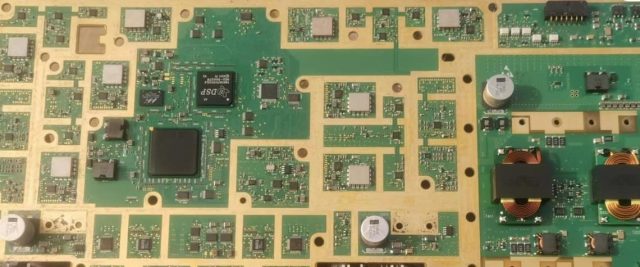
1. Advanced High Frequency PCB Materials
A qualified RF PCB supplier should support a wide range of:
- PTFE PCB materials
- Hydrocarbon ceramic laminates
- Low-loss high-speed PCB materials
- RF and microwave laminates
Common materials include:
- Rogers PCB materials
- Taconic RF laminates
- Isola high-speed materials
- Panasonic Megtron series
Proper material selection is critical for:
- RF PCB performance
- Microwave signal stability
- High-speed PCB reliability
2. Precision Impedance Control PCB Manufacturing
In high-speed PCB and RF PCB design, impedance accuracy directly affects:
- Signal reflection
- Insertion loss
- Crosstalk
- Data integrity
Professional high frequency PCB fabrication requires:
- Tight impedance tolerance
- Controlled trace geometry
- Precision stack-up engineering
3. Low-Loss RF PCB Manufacturing Capability
A high-quality microwave PCB supplier must provide:
- Ultra-low-loss PCB processing
- Smooth copper surface technology
- Fine-line RF circuit fabrication
Low-loss manufacturing improves:
- RF signal transmission efficiency
- Antenna performance
- High-frequency system reliability
4. Advanced Multilayer PCB Fabrication
Modern RF and high-speed systems often require:
- Multilayer RF PCB structures
- HDI PCB technology
- Hybrid material stack-ups
Capabilities include:
- Blind and buried vias
- Laser microvia processing
- Sequential lamination technology
5. High Precision PCB Manufacturing
For microwave and mmWave applications:
- Trace width control is critical
- Circuit pattern accuracy affects RF performance
- Registration precision is essential
Advanced manufacturing technologies include:
- Laser Direct Imaging (LDI)
- AOI inspection systems
- High-precision CNC drilling
Applications of High Frequency PCBs
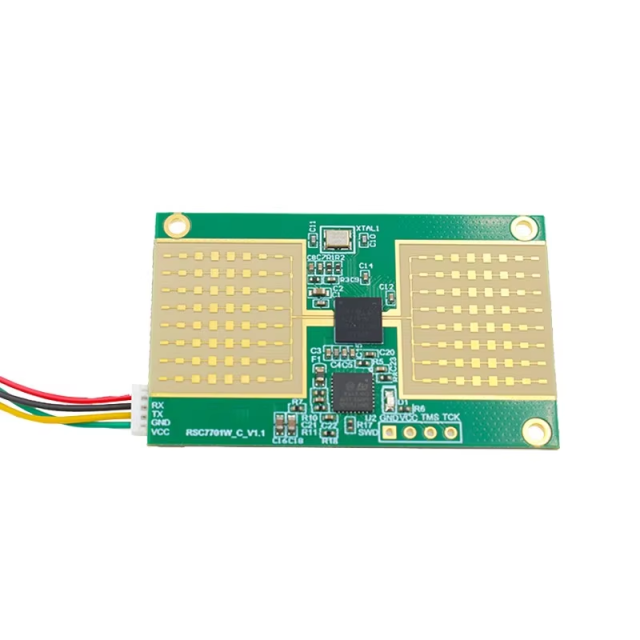
1. RF and Microwave Communication Systems
Used in:
- RF amplifiers
- Microwave transceivers
- Wireless base stations
Requirements:
- Low insertion loss
- Stable RF performance
- Controlled impedance routing
2. 5G and Millimeter-Wave Systems
5G communication requires:
- Ultra-low-loss PCB materials
- High-frequency signal stability
- mmWave PCB fabrication precision
3. Automotive Radar PCB
ADAS radar systems operating at:
- 24 GHz
- 77 GHz
require:
- High reliability RF PCB design
- Stable antenna performance
- Automotive-grade PCB manufacturing
4. Aerospace and Satellite Communication
Aerospace RF PCB applications demand:
- High thermal stability
- Long-term reliability
- Harsh environment resistance
5. High-Speed Data and Networking Systems
Used in:
- Data centers
- High-speed servers
- Optical communication equipment
Critical requirements:
- Signal integrity
- Low skew routing
- High-speed differential pair control
Important Manufacturing Technologies for High Frequency PCB Suppliers
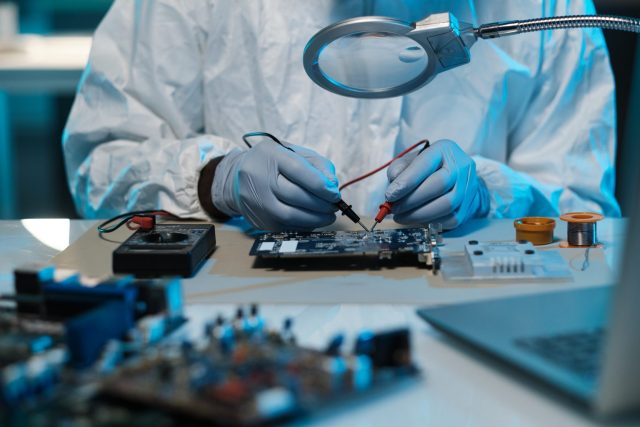
1. Controlled Impedance PCB Technology
Ensures:
- Stable transmission line performance
- Accurate RF signal propagation
2. Hybrid PCB Stack-Up Design
Combines:
- High-frequency laminates
- Standard FR4 materials
to optimize:
- Cost
- Electrical performance
- Manufacturability
3. Thermal Management PCB Engineering
Important for:
- High-power RF systems
- Microwave amplifiers
- 5G communication modules
Methods include:
- Thermal vias
- Copper balancing
- Heat dissipation structures
4. RF PCB Surface Finish Optimization
Common finishes:
- ENIG
- Immersion silver
- Immersion tin
Surface finish affects:
- RF loss
- Solderability
- Long-term reliability
Challenges in High Frequency PCB Manufacturing
1. Material Processing Complexity
PTFE and RF laminates require:
- Specialized drilling
- Controlled lamination
- Precise handling processes
2. Tight Tolerance Requirements
Microwave PCB fabrication requires:
- High dimensional accuracy
- Precise impedance control
- Minimal process variation
3. Signal Integrity Management
Poor PCB design or fabrication can cause:
- Signal reflection
- Crosstalk
- Insertion loss increase
4. Thermal Reliability
High-frequency systems generate heat that impacts:
- Electrical stability
- Long-term PCB reliability
How to Choose a High Frequency PCB Supplier
1. Material Expertise
The supplier should understand:
2. Manufacturing Capability
Look for:
- HDI PCB capability
- Fine-line processing
- Precision impedance control
3. RF Engineering Support
A strong supplier provides:
- DFM analysis
- Signal integrity optimization
- Stack-up recommendations
4. Reliability and Quality Control
Important certifications:
- ISO quality systems
- Automotive standards
- Aerospace manufacturing capability
Future Trends in High Frequency PCB Manufacturing
1. Higher Frequency mmWave Applications
Growing demand for:
- 77 GHz radar PCB
- 5G/6G communication PCB
- Satellite RF PCB systems
2. Ultra-Low-Loss PCB Materials
Future systems require:
- Lower Df laminates
- Better dielectric stability
- Enhanced RF efficiency
3. AI and High-Speed Computing
High-speed PCB technology will support:
- AI servers
- Data center networking
- Advanced computing systems
4. Advanced Hybrid PCB Structures
Combining:
- RF PCB materials
- High-speed digital PCB materials
- Thermal management solutions
Conclusion
A professional high frequency PCB supplier for RF, microwave, and high-speed applications is essential for delivering:
- Stable RF signal performance
- Excellent signal integrity
- Precision impedance control
- Long-term PCB reliability
With advanced expertise in:
- RF PCB manufacturing
- Microwave PCB fabrication
- High-speed PCB engineering
- Low-loss material processing
high frequency PCB suppliers play a critical role in enabling next-generation technologies such as:
- 5G communication
- Automotive radar
- Aerospace electronics
- AI and high-speed networking systems
As electronic systems continue advancing toward higher frequency, faster speed, and greater integration, the importance of advanced high frequency PCB manufacturing technology will continue to grow.
