
What Is a 5G Router PCB?
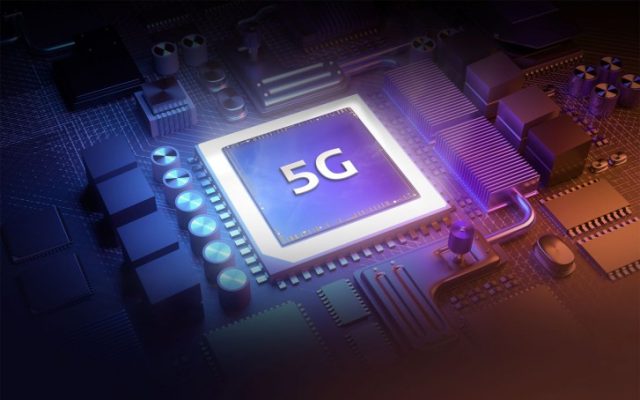
A 5G router PCB is a printed circuit board specifically designed for 5G wireless routers and gateways, supporting high-frequency RF signals, high-speed digital processing, and stable power delivery. These PCBs integrate RF front-end circuits, baseband processing, power management, and high-speed interfaces on multilayer boards.
Compared with traditional 4G router PCBs, 5G router PCBs must handle higher frequencies, wider bandwidths, faster data rates, and stricter signal integrity requirements.
Key Design Requirements for 5G Router PCB
A reliable 5G router PCB must meet several critical requirements:
-
High-frequency RF performance
Supports sub-6 GHz and, in some cases, mmWave frequencies. -
Controlled impedance and low loss
Essential for RF traces and high-speed differential pairs. -
High-speed digital signal integrity
For CPU, memory, Ethernet, PCIe, and SerDes interfaces. -
Multilayer and high-density routing
Accommodates complex system integration. -
Thermal management
Handles heat generated by RF and baseband chips. -
EMI/EMC control
Ensures compliance with communication standards.
These requirements make 5G router PCB design significantly more complex than conventional networking boards.
Material Selection for 5G Router PCB
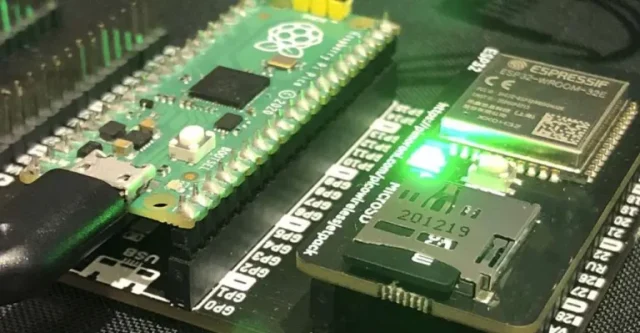
Choosing the right materials is crucial for 5G router PCBs:
-
High-frequency laminates
Rogers RO4350B, Taconic RF-35, or similar RF materials for RF sections. -
High-speed digital materials
Megtron 6 / Megtron 7 for low-loss digital signal layers. -
Hybrid PCB stack-ups
Combining RF materials with FR-4 or high-speed laminates. -
Low-profile copper foils
Reduce conductor loss at high frequencies.
Hybrid material PCB structures are commonly used to balance performance and cost.
Manufacturing Challenges of 5G Router PCB
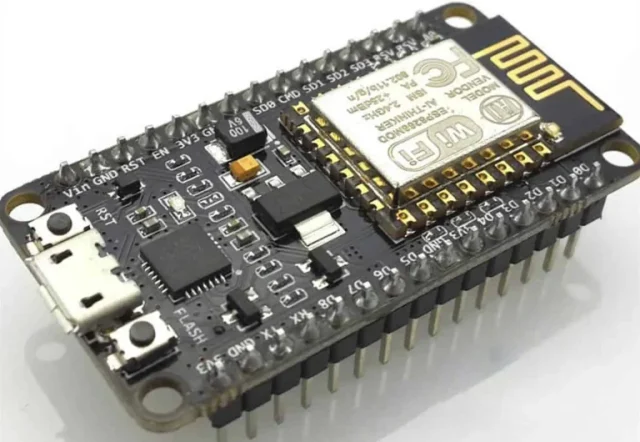
Manufacturing a 5G router PCB requires advanced process control:
-
Tight impedance tolerance across RF and high-speed layers
-
Precise layer registration for multilayer boards
-
Fine line and spacing capability
-
Back drilling to reduce via stubs in high-speed paths
-
AOI, impedance testing, and RF validation
An experienced PCB manufacturer is essential to meet these challenges.
Advantages of Professional 5G Router PCB Manufacturing
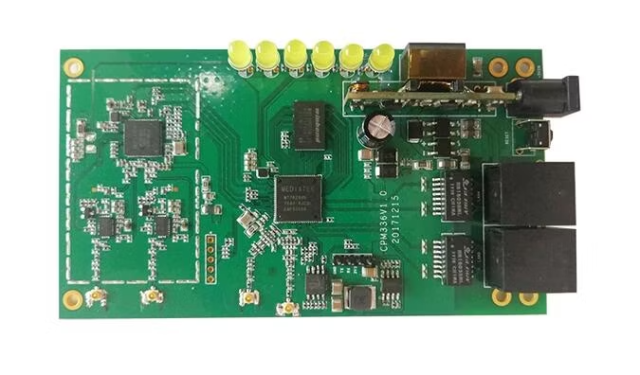
Working with a specialized 5G router PCB supplier offers:
-
Optimized stack-up and material recommendations
-
Reliable RF and high-speed signal performance
-
Improved thermal and EMI performance
-
Stable quality for prototype and mass production
-
Faster time-to-market
These advantages help ensure successful 5G product deployment.
Applications of 5G Router PCB
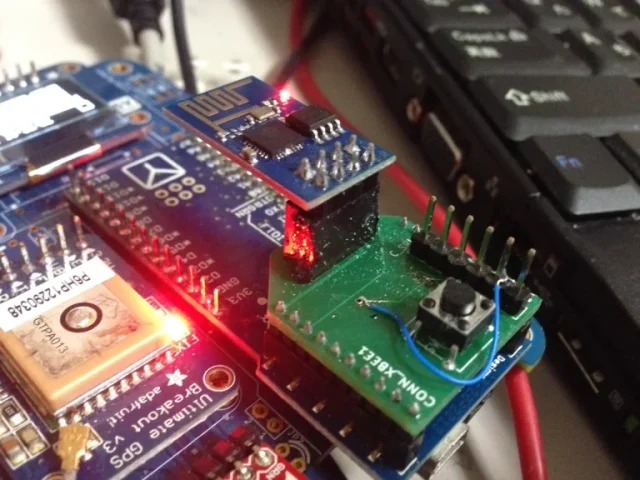
5G router PCBs are widely used in:
-
Home and enterprise 5G routers
-
Industrial 5G gateways
-
Outdoor CPE devices
-
Smart city and IoT infrastructure
-
Transportation and mobile communication systems
They play a critical role in next-generation wireless connectivity.
Conclusion
A 5G router PCB is a core component enabling high-speed, low-latency 5G communication. By combining high-frequency RF performance, high-speed digital signal integrity, and robust thermal management, 5G router PCBs support reliable operation in demanding environments.
Selecting an experienced 5G router PCB manufacturer ensures optimal material selection, precise impedance control, and consistent production quality.
