
1. What Is a Flexible PCB?
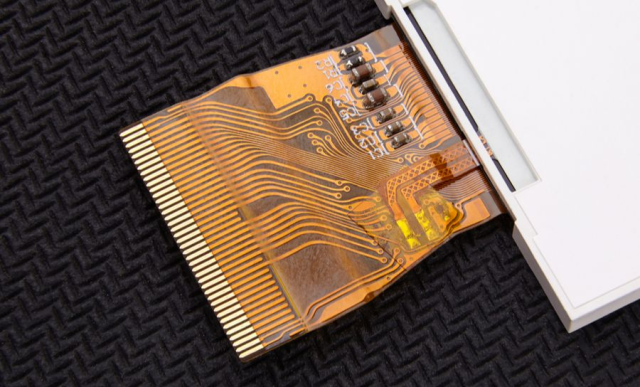
A flexible PCB (Flex PCB) is a specially engineered printed circuit board made from flexible materials such as polyimide. It is designed to bend, twist, or fold without damaging the circuit.
Key Characteristics:
- Built on flexible substrates (e.g., polyimide)
- Designed for dynamic or static bending
- High reliability under mechanical stress
- Compact and lightweight
Typical Applications:
- Smartphones and wearable devices
- Medical electronics
- Automotive systems
- Cameras and display connections
In short, a flexible PCB is an intentional, high-precision engineering solution for space-saving and mechanical flexibility.
2. What Does “Scratching a PCB” Mean?
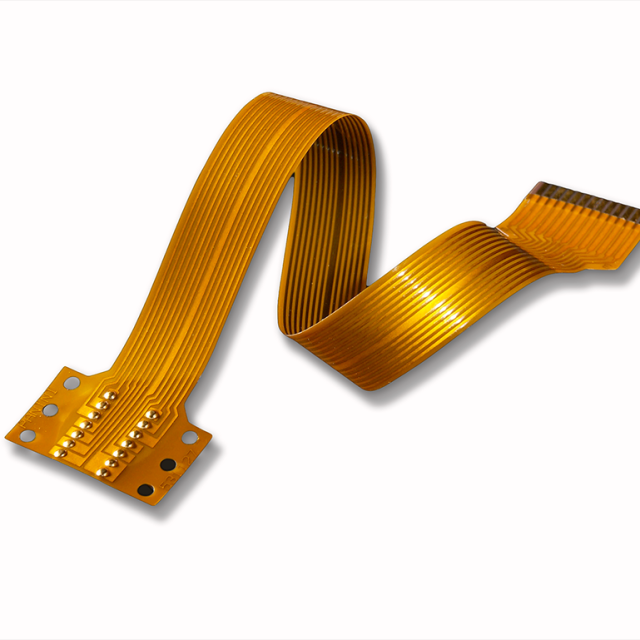
“Scratching a PCB” is not a formal manufacturing or design method. It usually refers to:
a. Physical Damage
- Scratching the copper traces or solder mask
- Causing broken circuits or exposed copper
- Leading to corrosion or electrical failure
b. Manual Modification / Prototyping
Sometimes engineers “scratch” or cut traces intentionally to:
- Break an unwanted connection
- Modify a circuit during debugging
- Isolate signals for testing
However, this is:
- Temporary
- Unreliable
- Not suitable for production
3. Key Differences
| Aspect | Flexible PCB | Scratching PCB |
|---|---|---|
| Nature | Engineered product | Physical damage or manual modification |
| Purpose | Functional circuit design | Repair, debugging, or accidental damage |
| Reliability | High | Very low |
| Manufacturing | Controlled PCB fabrication | Manual or accidental |
| Application | Commercial/industrial use | Prototype or error correction |
4. Important Insight
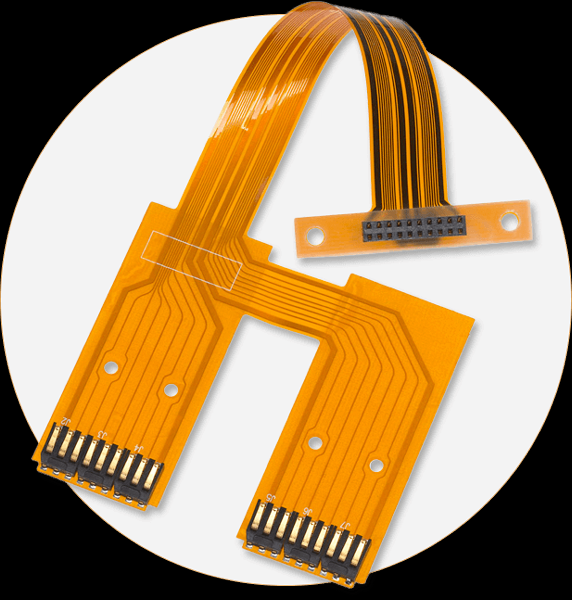
If someone is considering “scratching a PCB” to achieve flexibility or modify layout—it’s not a valid solution.
- A flexible PCB uses specialized materials and design rules
- Scratching a rigid PCB will only damage it, not make it flexible
5. Conclusion
A flexible PCB is a professionally designed circuit for mechanical flexibility and reliability, while “scratching a PCB” is either accidental damage or a temporary manual adjustment technique. They are fundamentally different in purpose, design, and performance.
