
Unmanned Aerial Vehicles (UAVs), commonly known as drones, rely on advanced electronic systems to perform navigation, communication, imaging, and flight control functions. At the core of these systems is the UAV PCB, which integrates critical electronic components to ensure stable operation, lightweight design, and high reliability during flight.
UAV PCBs must operate under demanding conditions such as vibration, temperature changes, and limited space. Therefore, they require optimized layouts, strong mechanical reliability, and efficient power distribution to support complex drone systems.
What Is a UAV PCB?
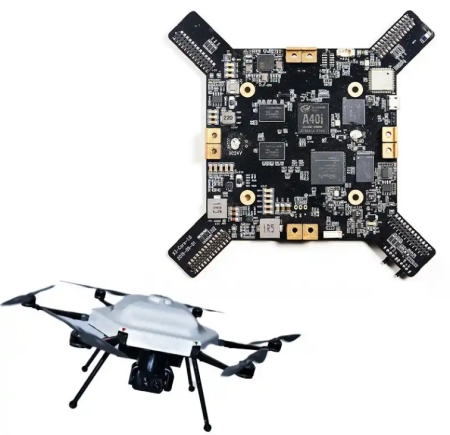
A UAV PCB is a printed circuit board specifically designed for electronic systems used in drones and unmanned aerial vehicles. These boards connect and control essential subsystems such as flight controllers, communication modules, sensors, power management units, and motor drivers.
Typical features of UAV PCBs include:
-
Compact and lightweight PCB structures
-
High-density component integration
-
Reliable power management circuits
-
Stable signal transmission for navigation and communication systems
These characteristics enable UAV electronics to perform efficiently in aerial environments.
Key Features of UAV PCB Design
1. Lightweight Construction
Weight reduction is critical for UAVs to improve flight time and energy efficiency. PCB layouts are optimized to minimize size and mass while maintaining performance.
2. High Reliability Under Vibration
Drone systems experience continuous vibration during flight. UAV PCBs must be designed to withstand mechanical stress and maintain stable connections.
3. Efficient Power Distribution
UAVs require stable power delivery for motors, sensors, cameras, and communication modules. Proper power routing ensures consistent system performance.
4. High-Density Integration
Modern drones integrate GPS modules, processors, wireless communication chips, and sensors on compact PCBs.
5. Thermal Management
Heat generated by processors and power circuits must be managed effectively to ensure reliable operation.
Design Considerations for UAV PCB
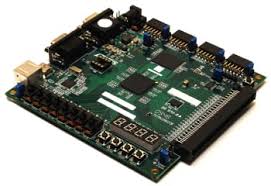
Designing a UAV PCB involves several important considerations:
-
Multilayer PCB structures for complex routing
-
Controlled impedance for high-speed communication signals
-
EMI shielding to prevent signal interference
-
Reinforced solder joints for vibration resistance
-
Thermal vias and copper planes for heat dissipation
These design strategies help ensure reliable performance during long flight operations.
Applications of UAV PCBs
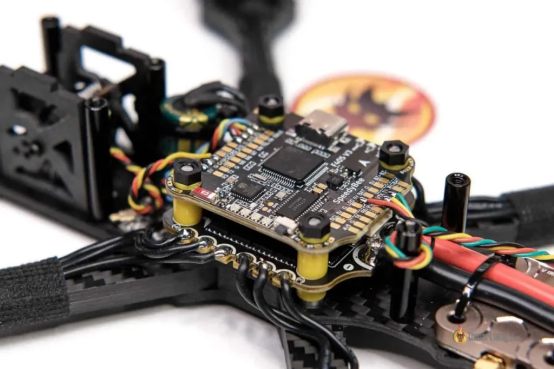
UAV PCBs are used in a wide range of drone systems and aerial platforms, including:
-
Consumer drones and aerial photography drones
-
Industrial inspection drones
-
Agricultural monitoring UAVs
-
Military and surveillance drones
-
Delivery and logistics drones
-
Mapping and surveying UAV systems
Each application requires highly reliable electronics capable of stable operation during flight.
Manufacturing Requirements
Manufacturing UAV PCBs often involves advanced PCB fabrication technologies to meet strict performance and reliability requirements:
-
Multilayer PCB manufacturing for compact layouts
-
HDI technology for high-density designs
-
High-reliability surface finishes such as ENIG
-
Strict quality inspection and reliability testing
These manufacturing processes ensure UAV PCBs can perform reliably in demanding aerial environments.
Conclusion
UAV PCB technology is essential for modern drone systems, supporting critical functions such as flight control, navigation, communication, and imaging. With lightweight design, high reliability, and advanced PCB manufacturing techniques, UAV PCBs enable drones to operate efficiently across a wide range of commercial, industrial, and defense applications.
