
What Is a TLY-5 PCB?
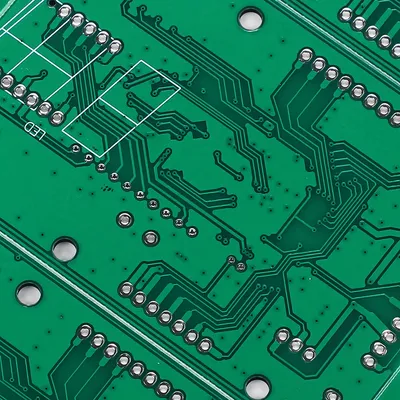
A TLY-5 PCB is a high-frequency printed circuit board manufactured using Taconic TLY-5 PTFE laminate material. This material is widely used in RF and microwave electronics because of its low dielectric loss, stable electrical performance, and excellent high-frequency characteristics.
Compared with standard FR4 materials, TLY-5 laminates provide significantly better signal performance at high frequencies, making them suitable for applications where signal integrity and minimal transmission loss are critical.
TLY-5 PCBs are commonly used in:
-
RF communication modules
-
Microwave transmission systems
-
Radar electronics
-
Satellite communication equipment
-
Wireless infrastructure devices
These applications rely on TLY-5 PCBs to ensure accurate signal transmission and stable RF performance.
Material Characteristics of TLY-5
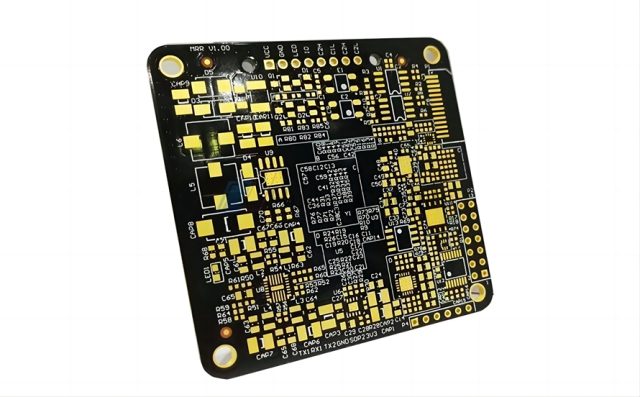
Taconic TLY-5 laminates are based on PTFE (polytetrafluoroethylene) reinforced with woven fiberglass. This combination provides both excellent electrical performance and mechanical stability.
Key material characteristics include:
-
Low dielectric constant (Dk ≈ 2.2) for predictable signal propagation
-
Very low dissipation factor (Df) to reduce RF signal loss
-
Excellent thermal stability for reliable operation
-
Low moisture absorption for consistent electrical properties
These properties make TLY-5 materials ideal for circuits operating in GHz frequency ranges.
Advantages of TLY-5 PCB
1. Superior High-Frequency Performance
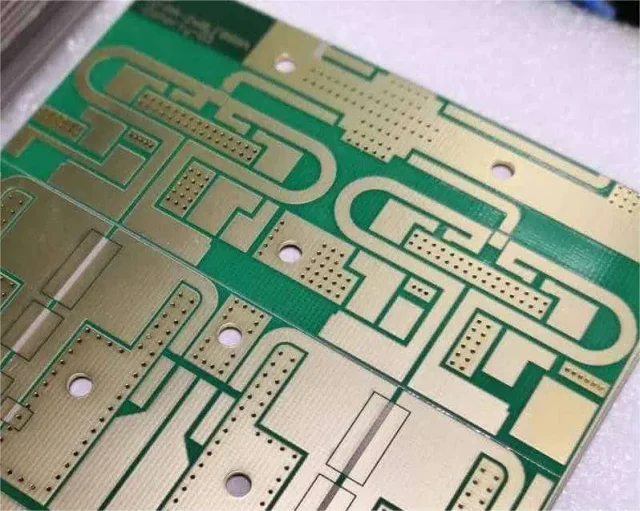
TLY-5 PCBs maintain stable electrical characteristics at microwave frequencies. This ensures low insertion loss and minimal signal distortion, which is essential for RF circuits.
2. Stable Dielectric Properties
The dielectric constant of TLY-5 remains stable across a wide range of frequencies and temperatures, allowing designers to achieve accurate impedance control and consistent circuit performance.
3. Low Signal Loss
Because of its extremely low dissipation factor, TLY-5 PCBs help reduce energy loss during signal transmission, improving the efficiency of RF and microwave systems.
4. Excellent Reliability
The PTFE-based structure offers good resistance to temperature changes, humidity, and environmental stress, ensuring long-term reliability in demanding electronic systems.
PCB Design Considerations for TLY-5
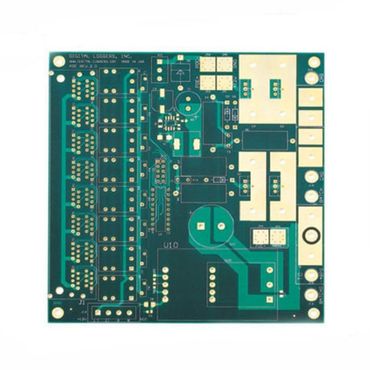
Designing a PCB using TLY-5 material requires careful attention to several factors.
Controlled Impedance Design
High-frequency circuits require precise impedance control. Designers must carefully calculate trace width, spacing, and dielectric thickness to maintain accurate impedance values.
RF Trace Layout
To maintain signal integrity, RF traces should be:
-
As short as possible
-
Smoothly routed without sharp bends
-
Properly referenced to ground planes
These practices help reduce signal reflections and unwanted interference.
Multilayer Stack-Up Design
TLY-5 materials are often combined with other laminates in hybrid multilayer stack-ups, enabling designers to balance cost, performance, and manufacturability.
Applications of TLY-5 PCB
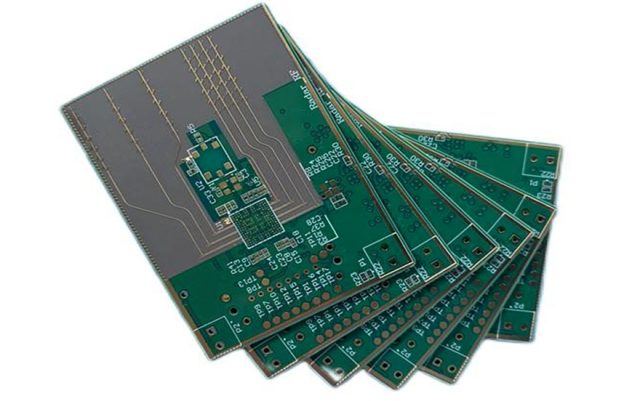
TLY-5 PCBs are widely used in high-frequency electronic systems such as:
-
RF communication systems
-
Microwave devices
-
Satellite communication modules
-
Radar systems
-
Wireless networking equipment
These applications require precise signal transmission and stable RF performance, making TLY-5 a reliable material choice.
Conclusion
A TLY-5 PCB provides excellent electrical performance for RF and microwave circuits by utilizing PTFE-based Taconic laminates with low dielectric loss and stable dielectric properties.
With its ability to maintain signal integrity at high frequencies, TLY-5 PCB technology plays an important role in modern wireless communication, radar systems, and aerospace electronics.
