
Between initial prototyping and full-scale production, test engineers often require a controlled, repeatable manufacturing stage. Small batch ATE PCB production fills this gap by providing consistent quality, stable electrical performance, and scalable processes for automated test equipment (ATE) development.
Small batch manufacturing enables engineering teams to validate real production conditions without the risks of mass production.
What Is Small Batch ATE PCB Manufacturing?
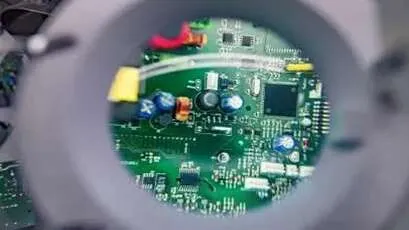
Small batch ATE PCB refers to low-volume fabrication and assembly—typically tens to hundreds of boards—used for engineering validation, pilot runs, and new product introduction (NPI).
Unlike single prototypes, small batch ATE PCBs emphasize repeatability and process stability.
Why Small Batch Production Matters in ATE Projects
Small batch ATE PCB manufacturing allows teams to:
-
Validate design consistency across multiple boards
-
Test long-term signal and power stability
-
Identify yield and assembly risks early
This stage bridges engineering design and volume deployment.
Electrical Consistency and Signal Integrity
ATE systems demand predictable behavior. Small batch ATE PCBs focus on:
-
Controlled impedance routing
-
Stable stackup and material selection
-
Tight fabrication tolerances
Consistent electrical performance is essential for reliable testing.
Power Delivery and Thermal Evaluation
Small batch runs enable engineers to evaluate:
-
Power distribution uniformity
-
Decoupling effectiveness
-
Thermal behavior under extended test cycles
These insights are difficult to obtain from single prototypes.
Manufacturing Process Validation

A key purpose of small batch ATE PCB production is process verification, including:
-
Fabrication repeatability
-
Assembly accuracy for fine-pitch components
-
Connector, socket, and interface reliability
This ensures readiness for larger production volumes.
Design for Test and Debug Efficiency
Small batch ATE PCBs are designed with:
-
Accessible test points
-
Clear labeling and probing areas
-
Modular layouts for debugging
These features support efficient engineering workflows.
Typical Applications of Small Batch ATE PCB
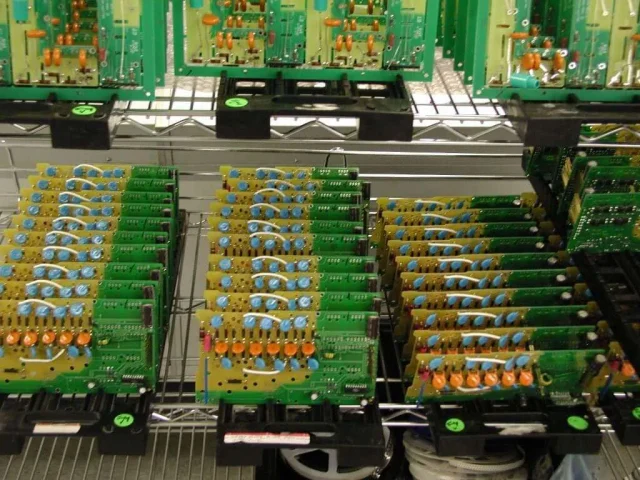
Small batch ATE PCBs are widely used in:
-
Semiconductor device characterization
-
Engineering verification testing (EVT/DVT)
-
ATE platform pilot builds
-
Customer qualification and certification testing
Each scenario benefits from low-volume reliability.
Transition from Small Batch to Mass Production
An effective small batch ATE PCB program ensures:
-
Smooth scale-up to volume manufacturing
-
Minimal design changes
-
Stable cost and lead-time control
This reduces risk and accelerates time to market.
Choosing a Small Batch ATE PCB Partner
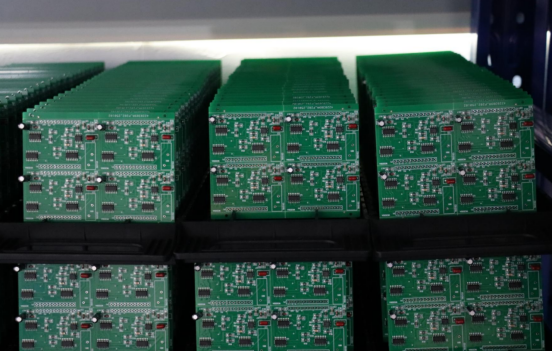
When selecting a small batch ATE PCB manufacturer, look for:
-
Experience with test and semiconductor PCBs
-
Controlled impedance and multilayer capability
-
Engineering feedback and DFM support
-
Fast, flexible production scheduling
The right partner supports both testing and production goals.
Conclusion
Small batch ATE PCB manufacturing plays a critical role in automated test equipment development. By combining low-volume flexibility with production-level consistency, small batch ATE PCBs enable confident validation and seamless transition to mass production.
Working with an experienced small batch ATE PCB supplier ensures stable testing performance and reduced project risk.
