
What Is a Rigid-Flex PCB?
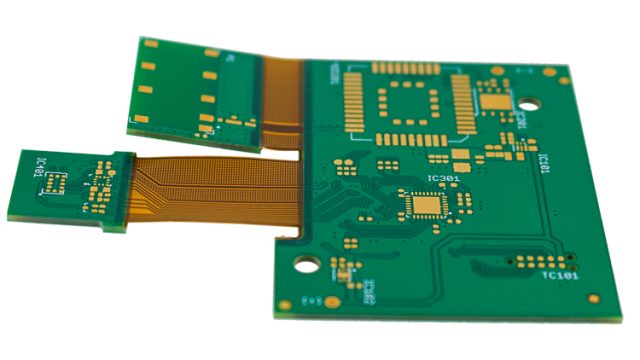
A Rigid-Flex PCB is a printed circuit board that combines rigid sections and flexible sections into a single unit. The rigid areas provide mechanical support and component mounting, while the flexible sections allow bending, folding, or flexing in compact assemblies.
Rigid-Flex PCBs are widely used in high-reliability, space-constrained electronic devices, such as smartphones, wearable devices, medical equipment, and aerospace systems.
Key Features of Rigid-Flex PCB
-
Hybrid structure
Combines rigid and flexible PCB technologies in one board. -
Space-saving design
Reduces the need for connectors and cables. -
High reliability
Eliminates solder joint failures caused by repeated flexing. -
Complex routing
Supports multilayer circuits with fine traces. -
Thermal and mechanical stability
Flexible sections absorb stress while rigid sections maintain structural integrity.
These features make Rigid-Flex PCBs ideal for modern electronics with high-density and high-performance requirements.
Rigid-Flex PCB Manufacturing Process
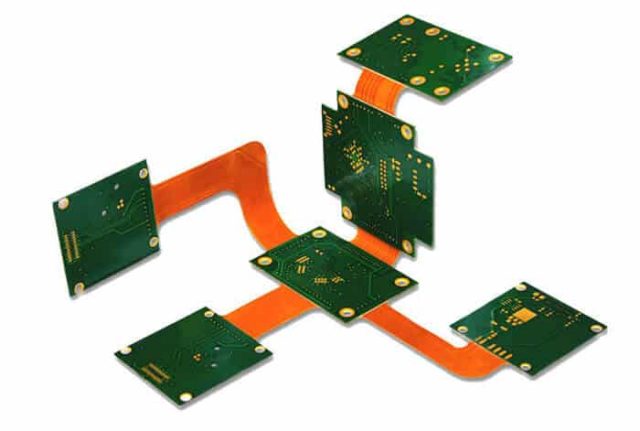
Manufacturing a Rigid-Flex PCB requires advanced techniques:
-
Layer stack-up design
Combines rigid and flexible layers into a single layout. -
Flexible laminate preparation
Polyimide films or other flexible substrates are used. -
Sequential lamination
Rigid and flexible layers are bonded with precision. -
Drilling and via formation
Microvias, blind/buried vias, and through-vias connect layers. -
Surface finish and solder mask
ENIG, hard gold, OSP, or immersion silver for reliable assembly. -
Inspection and testing
Electrical testing, AOI, and flex testing to ensure durability.
Precise process control is critical to prevent delamination, warping, or electrical failure.
Advantages of Rigid-Flex PCB
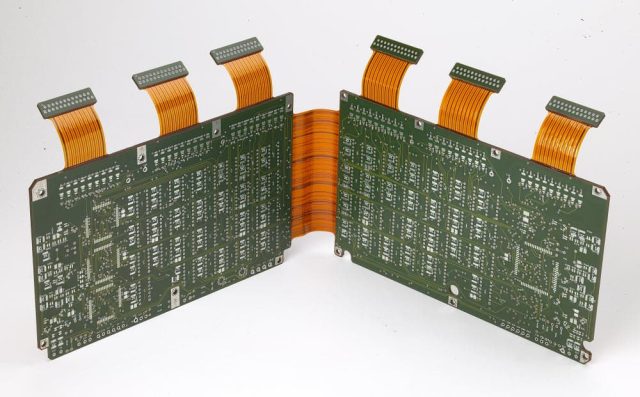
-
Reduced assembly complexity
Fewer connectors and interconnections needed. -
Enhanced durability
Flexible areas reduce mechanical stress on components. -
Compact product design
Supports miniaturized and foldable electronic assemblies. -
High-density routing
Multilayer capability enables complex circuitry in a small footprint. -
Reliable electrical performance
Maintains signal integrity even under flexing and movement.
Rigid-Flex PCBs are the preferred choice for applications requiring both flexibility and robustness.
Applications of Rigid-Flex PCB
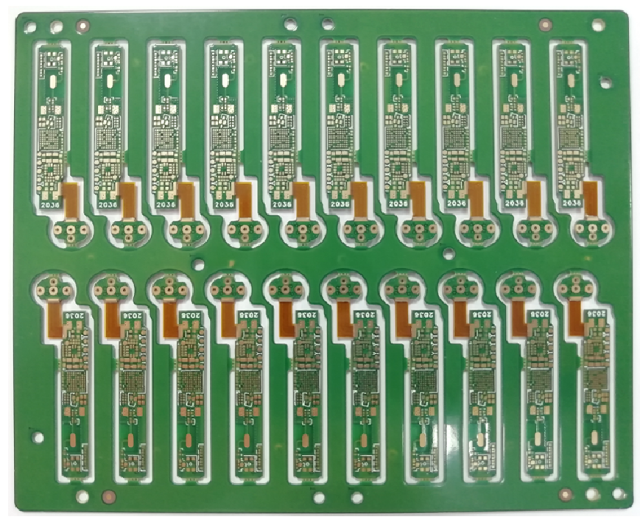
Rigid-Flex PCBs are widely applied in:
-
Smartphones, tablets, and wearable devices
-
Medical devices and diagnostic equipment
-
Aerospace and defense electronics
-
Industrial control and robotics
-
Automotive electronics
Their combination of compact size, mechanical durability, and electrical reliability makes them essential for advanced electronics.
Conclusion
A Rigid-Flex PCB provides a highly reliable, compact, and flexible solution for modern electronic devices. By combining rigid and flexible sections into a single board, engineers can achieve space-saving designs, reduce assembly complexity, and improve long-term reliability.
Partnering with an experienced Rigid-Flex PCB manufacturer ensures precise fabrication, high-quality materials, and superior performance for even the most demanding electronic applications.
