
Modern electronic devices demand compact, lightweight, and highly reliable circuit designs. Traditional PCBs can be limiting in complex applications where space constraints and dynamic movement are factors.
Rigid-Flex PCBs combine the structural stability of rigid boards with the dynamic flexibility of flexible circuits. This hybrid design enables intricate layouts, reduces interconnects, and improves reliability in compact electronic systems.
What is a Rigid-Flex PCB?
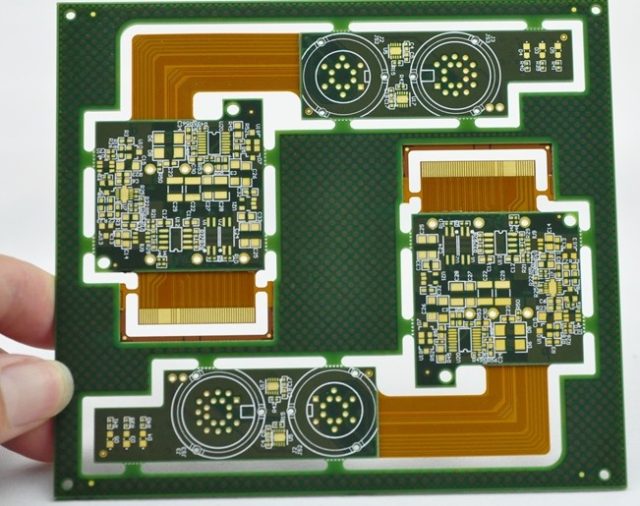
A Rigid-Flex PCB is a printed circuit board that integrates:
-
Rigid sections for structural stability and component mounting
-
Flexible sections to allow bending, folding, or dynamic movement
This combination allows electronic designers to create single boards that replace multiple interconnected rigid and flexible boards, reducing connectors, assembly steps, and overall system weight.
Advantages of Rigid-Flex PCB
1. Space and Weight Savings
By integrating rigid and flexible areas, these PCBs eliminate the need for multiple connectors and separate boards, reducing device size and weight.
2. Improved Reliability
Fewer connectors and solder joints reduce the risk of mechanical failure, especially in applications with movement or vibration.
3. Enhanced Design Flexibility
Rigid-flex PCBs allow designers to route signals in 3D space, enabling complex layouts that cannot be achieved with standard rigid boards alone.
4. Durability in Dynamic Environments
Flexible sections can withstand repeated bending, making these PCBs ideal for devices that experience mechanical movement, such as wearable electronics or foldable devices.
Materials Used in Rigid-Flex PCB
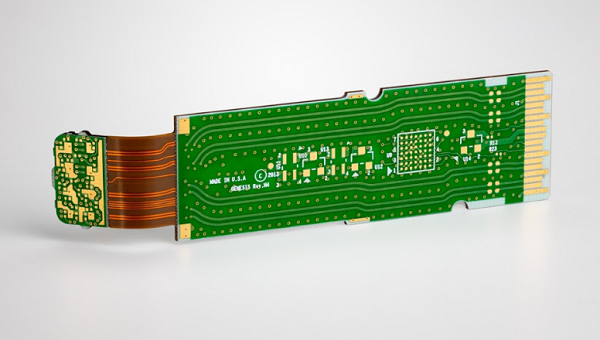
Rigid-flex PCBs are made from a combination of rigid laminates and flexible substrates:
-
Rigid sections: FR-4, high-TG FR-4, or polyimide laminates
-
Flexible sections: Polyimide films with adhesive layers, copper foils
-
Coverlays: Flexible protective films to shield flexible circuits
High-quality materials ensure electrical stability, mechanical strength, and thermal resilience.
Applications of Rigid-Flex PCB
Rigid-flex PCBs are widely used in industries requiring compact, reliable, and dynamic circuit designs:
-
Aerospace electronics – avionics modules, satellite electronics
-
Medical devices – implantable devices, diagnostic equipment
-
Wearable electronics – smartwatches, fitness trackers
-
Telecommunications – mobile devices, networking hardware
-
Industrial automation – robotics and motion-sensitive systems
These applications benefit from reduced weight, increased reliability, and flexible routing options.
Design Considerations
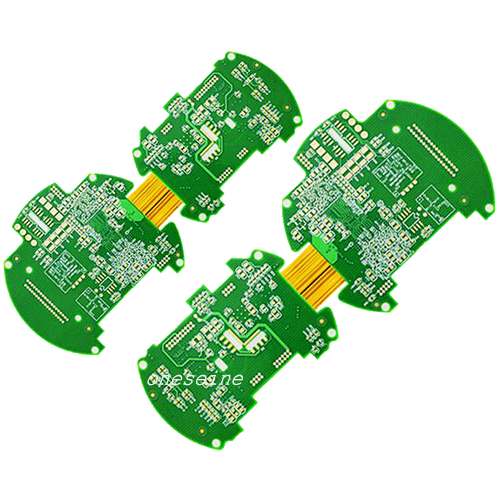
Designing rigid-flex PCBs requires attention to both rigid and flexible sections:
-
Bend radius: Ensure flexible sections can bend without damaging traces
-
Layer stack-up: Optimize multilayer configuration for signal integrity
-
Thermal management: Provide heat dissipation for components on rigid sections
-
Controlled impedance: Maintain signal integrity in high-speed or RF circuits
Proper design ensures both mechanical and electrical performance.
Manufacturing Considerations
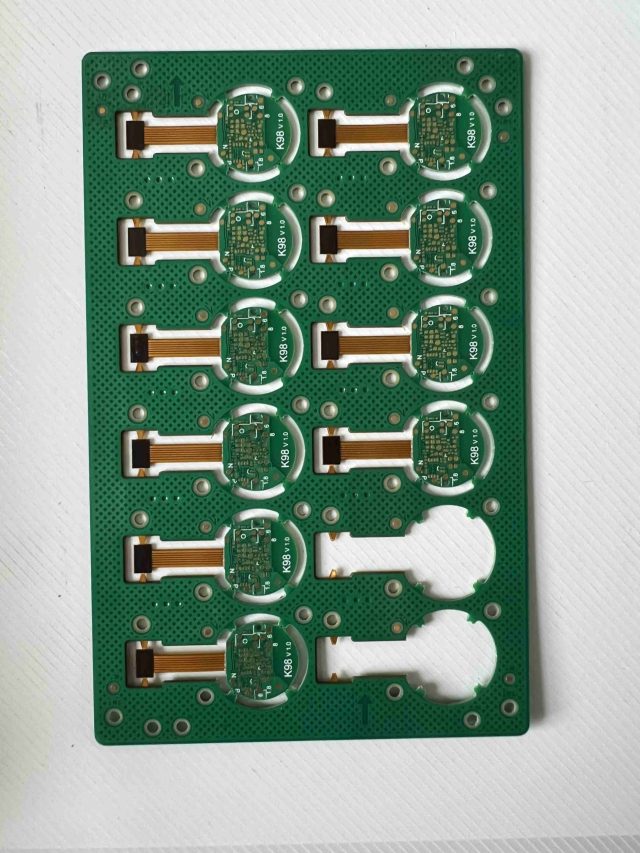
Rigid-flex PCB fabrication involves advanced processes:
-
Laminating rigid and flexible materials together
-
Precision drilling and via formation for multilayer structures
-
Controlled copper etching for both rigid and flexible sections
-
Testing for bend cycles, thermal stability, and signal integrity
Advanced manufacturing ensures high-quality, long-lasting rigid-flex PCBs.
Conclusion
Rigid-Flex PCBs provide the perfect solution for modern electronics that demand space efficiency, mechanical flexibility, and high reliability. By integrating rigid and flexible sections, designers can create compact, lightweight, and durable electronic systems suitable for aerospace, medical, wearable, and industrial applications.
With careful material selection, precise design, and advanced manufacturing, rigid-flex PCBs continue to enable innovation in complex electronic devices.
