With the increasing demand for electrical safety, industrial automation, and reliable power management systems, leakage protection modules have become essential components in modern electrical equipment and industrial control systems.
An industrial leakage protection module is designed to detect abnormal current leakage caused by insulation damage, equipment faults, or environmental conditions, and quickly disconnect the power supply to protect:
- Personnel safety
- Electrical equipment
- Industrial control systems
- Power distribution networks
At the core of these protection systems, the PCBA (Printed Circuit Board Assembly) provides the essential functions for:
- Leakage current detection
- Signal processing
- Protection control
- Relay or switching control
- Communication and monitoring
A reliable PCBA solution ensures fast response, stable operation, and long-term reliability in demanding industrial environments.
1. What Is a Leakage Protection Module PCBA?
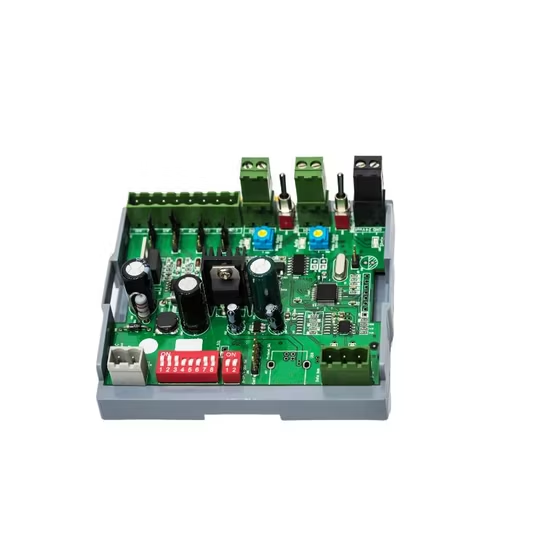
A leakage protection module PCBA is a customized electronic assembly designed to monitor abnormal current leakage and trigger protective actions.
The PCBA typically integrates:
- Current detection circuits
- Signal amplification circuits
- Microcontrollers or control ICs
- Relay drive circuits
- Power supply circuits
- Communication interfaces
- Protection components
The basic operating principle is:
Leakage Current Detection → Signal Processing → Fault Judgment → Protection Action → System Notification
When leakage exceeds the preset safety threshold, the control circuit activates the protection mechanism to disconnect the circuit or generate an alarm.
2. Key Functions of Leakage Protection Module PCBAs
2.1 Leakage Current Detection
The most important function of the PCBA is accurately detecting leakage current.
Common detection methods include:
- Zero-sequence current transformer (ZCT)
- Current sensing circuits
- Differential current detection
The detection circuit must achieve:
- High sensitivity
- Low noise
- Fast response
Accurate detection prevents:
- False triggering
- Delayed protection
- Safety risks
2.2 Signal Processing and Fault Judgment
The detected leakage signal is usually weak and requires processing.
The PCBA may include:
- Signal amplification circuits
- Filtering circuits
- ADC conversion
- Microcontroller processing
The control system evaluates:
- Leakage magnitude
- Leakage duration
- Fault conditions
to determine whether protection should be activated.
2.3 Protection Control
Once abnormal leakage is confirmed, the PCBA controls:
- Relays
- Contactors
- Circuit breakers
- Alarm systems
The control circuit requires:
- Stable switching operation
- High electrical isolation
- Reliable long-term performance
2.4 Power Management
Leakage protection modules must maintain stable operation under fluctuating industrial power conditions.
Power circuits require:
- Voltage regulation
- Surge protection
- Filtering
- Overcurrent protection
Common components include:
- AC/DC power modules
- LDO regulators
- TVS protection devices
2.5 Communication and Monitoring
Modern industrial leakage protection systems may include communication functions.
Common interfaces:
- RS-485
- CAN bus
- Ethernet
- Modbus communication
These enable:
- Remote monitoring
- Fault recording
- System integration
3. Main PCBA Design Challenges
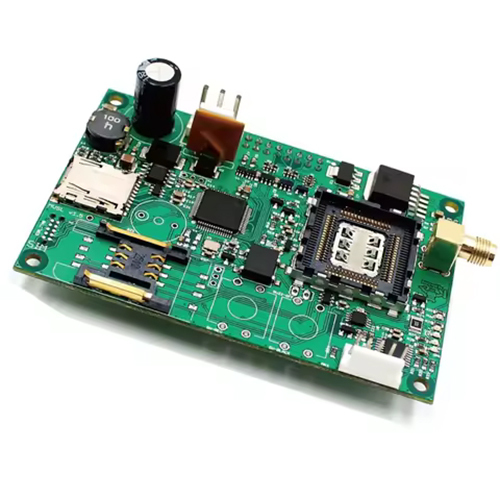
3.1 High-Voltage and Low-Voltage Isolation
Leakage protection modules often contain both:
- High-voltage power circuits
- Low-voltage control circuits
Improper design may cause:
- Electrical breakdown
- Safety risks
- Signal interference
PCB design considerations include:
- Creepage distance
- Clearance distance
- Isolation slots
- Proper PCB layer arrangement
3.2 Fast Response and Detection Accuracy
Protection systems require rapid fault response.
PCB design must optimize:
- Signal transmission paths
- Detection circuit stability
- Noise filtering
A poor design may result in:
- Slow protection response
- Incorrect fault judgment
3.3 EMI/EMC Control
Industrial electrical environments contain strong interference sources:
- Motors
- Inverters
- Switching power supplies
- High-current equipment
EMC design methods include:
- Grounding optimization
- Filtering circuits
- Shielding structures
- Signal isolation
3.4 Thermal Management
Power switching components generate heat during operation.
Thermal design should consider:
- Relay placement
- Power component spacing
- Copper area optimization
- Heat dissipation paths
Effective thermal management improves:
- Component lifetime
- System stability
3.5 Reliability Under Harsh Environments
Industrial leakage protection modules may operate in:
- High humidity environments
- Dusty areas
- Temperature fluctuations
- High-vibration conditions
Reliability improvements include:
- High-Tg PCB materials
- Protective coating
- Industrial-grade components
- Robust connectors
4. Customized PCBA Development Process
4.1 Engineering Review and DFM Analysis
Before manufacturing, engineers evaluate:
- Circuit design
- PCB layout
- Safety requirements
- Assembly feasibility
DFM review focuses on:
- High-voltage spacing
- Component placement
- Thermal risks
- Test accessibility
4.2 PCB Fabrication
Depending on application requirements, leakage protection modules may use:
- 2-layer PCB
- Multilayer PCB
- High-Tg FR-4 PCB
- Heavy copper PCB
Important manufacturing controls include:
- Copper thickness
- Layer alignment
- Hole quality
- Surface finish
4.3 Component Selection and Procurement
Industrial protection equipment requires reliable components.
Selection considerations:
- Voltage rating
- Temperature range
- Lifecycle availability
- Safety certification requirements
4.4 SMT and THT Assembly
Leakage protection modules often combine:
SMT Components
Used for:
- ICs
- Resistors
- Capacitors
- Signal components
Through-Hole Components
Used for:
- Relays
- Large connectors
- High-current components
Advantages:
- Strong mechanical reliability
- Better current handling capability
4.5 Inspection and Testing
Quality control includes:
SPI Inspection
Checks:
- Solder paste quality
- Printing accuracy
AOI Inspection
Detects:
- Missing components
- Solder defects
- Placement errors
X-Ray Inspection
Used for:
- Hidden solder joints
- Complex packages
Electrical and Functional Testing
Verification includes:
- Leakage detection accuracy
- Relay switching operation
- Protection response time
- Communication functions
5. PCB Technologies for Leakage Protection Modules
5.1 High-Tg FR-4 PCB
Advantages:
- Improved thermal stability
- Better reliability under temperature cycling
Applications:
- Industrial protection controllers
5.2 Heavy Copper PCB
Advantages:
- Higher current capacity
- Better heat dissipation
Applications:
- High-current protection circuits
5.3 Multilayer PCB
Advantages:
- Better circuit isolation
- Optimized signal and power routing
Applications:
- Complex protection systems
5.4 Metal Core PCB
Advantages:
- Excellent thermal management
Applications:
- High-power electrical protection equipment
6. Applications of Leakage Protection Module PCBAs
Industrial Power Systems
Applications:
- Factory electrical distribution
- Industrial machinery protection
Requirements:
- High reliability
- Fast fault response
Charging Infrastructure
Applications:
- EV charging stations
- Power charging equipment
Requirements:
- Safety protection
- Stable operation
Renewable Energy Systems
Applications:
- Solar power systems
- Energy storage systems
Requirements:
- Electrical safety
- Long-term reliability
Automation Equipment
Applications:
- Industrial controllers
- Smart manufacturing equipment
Requirements:
- Reliable protection
- System communication
7. Advantages of Customized PCBA Solutions
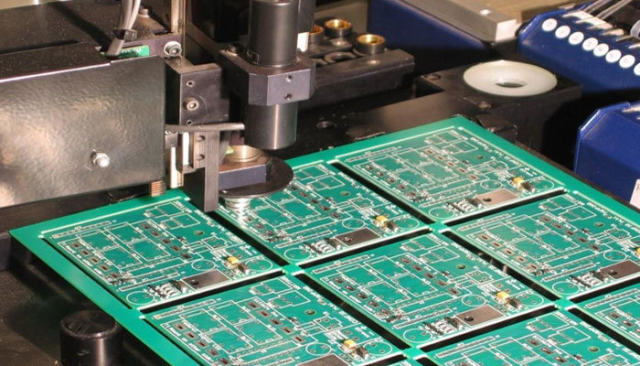
A professional PCBA solution provider can support:
Engineering Optimization
Including:
- Circuit review
- PCB layout optimization
- Safety design evaluation
- DFM analysis
Integrated Manufacturing
Including:
- PCB fabrication
- Component sourcing
- SMT/THT assembly
- Testing
Improved Reliability
Through:
- Manufacturing process control
- Electrical testing
- Quality inspection
8. Future Development Trends
Intelligent Protection Systems
Future leakage protection modules will integrate:
- Digital monitoring
- Data logging
- Predictive fault analysis
Miniaturization and Integration
Development trends include:
- Smaller control modules
- Higher component density
- Integrated communication functions
Smart Industrial Safety Networks
Future systems will support:
- Remote monitoring
- Industrial IoT connectivity
- Real-time fault management
Higher Reliability Requirements
Industrial applications will require:
- Longer operating life
- Improved environmental resistance
- More precise protection functions
Conclusion
A reliable PCBA solution is the foundation of an industrial leakage protection module, supporting critical functions such as:
- Leakage detection
- Signal processing
- Fault judgment
- Power switching
- System communication
Successful development requires careful consideration of:
- High-voltage isolation
- Signal integrity
- EMI/EMC performance
- Thermal management
- Manufacturing reliability
Through optimized PCB design, advanced SMT/THT assembly processes, and strict quality control, customized PCBAs help industrial leakage protection systems achieve faster response, higher safety, and long-term stable operation in demanding electrical environments.