
In modern electronics, PCB resistors play a vital role in ensuring circuit stability, signal control, and power regulation. Whether in rigid circuit boards, multilayer PCBs, or advanced PCBA designs, proper resistor selection and placement are crucial for achieving optimal performance. Understanding how resistors in PCB design interact with layout and signal behavior is key to building reliable electronic systems.
What Are PCB Resistors?
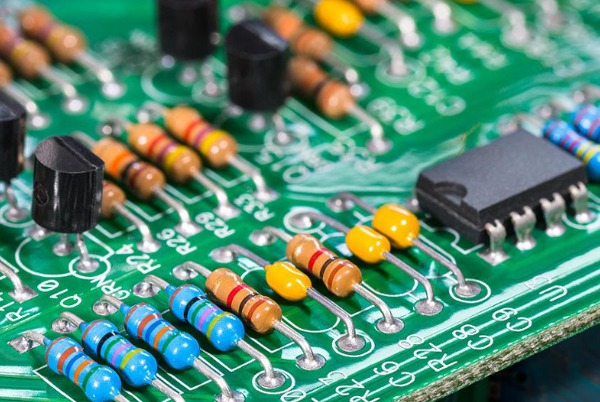
PCB resistors are passive electronic components mounted on a printed circuit board (PCB) to control current, divide voltage, and manage signal levels. They are widely used in all types of PCB board design, from simple circuits to complex industrial systems.
Common types of resistors used in PCB design include:
- Surface Mount Resistors (SMD resistors)
- Through-Hole Resistors
- Precision Resistors
- Power Resistors
Key Functions of Resistors in PCB Design
1. Current Limiting
One of the primary roles of PCB resistors is to limit current flow, protecting sensitive components such as ICs and LEDs.
2. Voltage Division
Resistors are used in voltage divider circuits to produce specific voltage levels required for different parts of the circuit.
3. Signal Conditioning
In high-speed PCB design, resistors help control signal integrity by minimizing reflections and noise.
4. Pull-Up and Pull-Down Functions
Pull-up and pull-down resistors ensure stable logic levels in digital circuits, preventing floating signals.
Key Considerations in PCB Resistor Selection
1. Resistance Value and Tolerance
Selecting the correct resistance value and tolerance is essential for circuit accuracy and performance.
2. Power Rating
Resistors in PCB must handle the required power without overheating, especially in power electronics.
3. Temperature Coefficient
For high-precision applications, low temperature coefficient resistors ensure stable performance across varying temperatures.
4. Package Type
Choosing between SMD resistors and through-hole resistors impacts assembly method and board layout.
PCB Layout Guidelines for Resistors
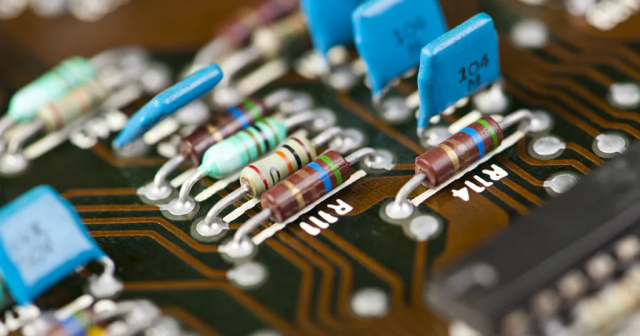
1. Proper Placement for Signal Integrity
In PCB board design, resistors should be placed close to the संबंधित components (e.g., near IC inputs for termination resistors) to reduce signal distortion.
2. Minimize Parasitic Effects
Short trace lengths and proper routing reduce parasitic inductance and capacitance, improving circuit performance.
3. Thermal Management
High-power PCB resistors should be placed with adequate spacing and copper area to dissipate heat effectively.
4. Grounding and Noise Reduction
Proper grounding techniques help resistors in PCB layout reduce electromagnetic interference (EMI).
Advanced PCB Design Techniques with Resistors
1. Termination Resistors in High-Speed Design
In high-speed PCBs, termination resistors are critical for impedance matching and signal integrity.
2. Current Sensing Resistors
Used in power management circuits to monitor current flow accurately.
3. Resistor Networks
Integrated resistor arrays simplify layout and improve consistency in multilayer PCB designs.
Why Choose KKPCB for PCB and PCBA Solutions?
1. Expertise in PCB Design and Manufacturing
KKPCB offers comprehensive solutions for PCB board design and PCBA assembly, ensuring optimal resistor integration.
2. High-Quality PCB Fabrication
With advanced manufacturing processes, KKPCB delivers reliable rigid PCBs and multilayer boards.
3. Precision Assembly Services
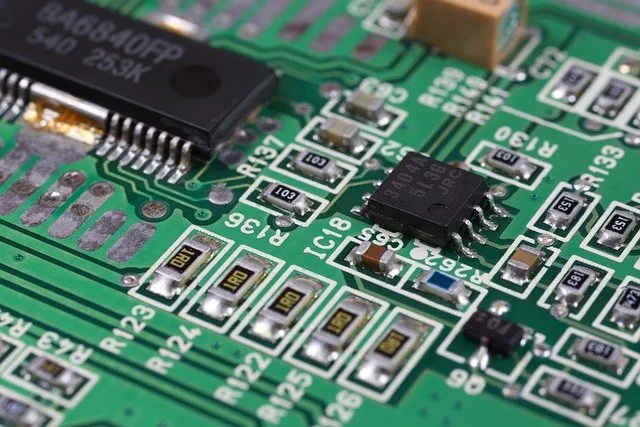
KKPCB PCBA services ensure accurate placement of SMD resistors and other components.
4. Custom Engineering Support
From design optimization to production, KKPCB helps improve PCB resistor layout and overall circuit performance.
Applications of PCB Resistors
PCB resistors are essential in:
- Consumer electronics
- Industrial control systems
- Automotive electronics
- Power management systems
Conclusion
PCB resistors are fundamental to effective PCB board design, influencing everything from signal integrity to power stability. By carefully selecting and placing resistors in PCB layout, engineers can significantly improve circuit reliability and performance.
Partnering with KKPCB ensures high-quality PCB and PCBA solutions, helping you build efficient and reliable electronic products.
