
Microwave circuits operate at extremely high frequencies where PCB material selection and manufacturing precision directly affect system performance. When engineers and sourcing teams order microwave PCBs, low-loss materials, controlled impedance, and strict process control are essential to ensure stable and repeatable microwave signal transmission.
This guide outlines what to consider when you order microwave PCBs for demanding RF, microwave, and mmWave applications.
What Is a Microwave PCB?

A microwave PCB is designed to support signal transmission in the microwave frequency range, typically above 1 GHz and extending into mmWave bands. Compared with standard PCBs, microwave PCBs require:
-
Ultra-low dielectric loss (Df)
-
Highly stable dielectric constant (Dk)
-
Precise controlled impedance structures
-
Tight fabrication tolerances
These requirements make microwave PCB manufacturing a specialized discipline.
Material Options When You Order Microwave PCB
Material choice is a critical factor when you order microwave PCBs. Common microwave PCB materials include:
-
PTFE-based laminates for ultra-low-loss microwave designs
-
Taconic RF materials including RF-35 and TLY series
-
Hybrid stackups combining microwave materials with FR-4
These materials ensure low insertion loss and stable performance at microwave and mmWave frequencies.
Controlled Impedance for Microwave Circuits
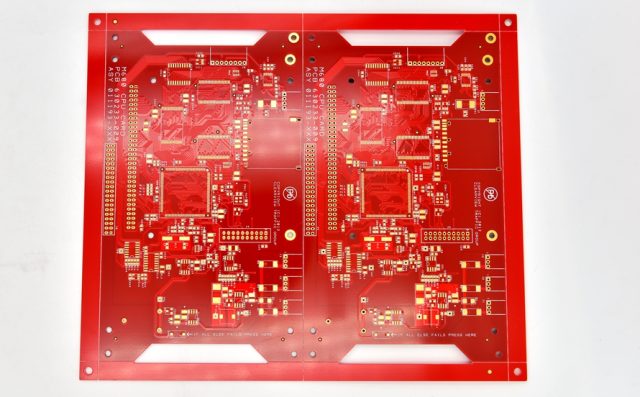
Accurate impedance control is mandatory when you order microwave PCBs.
Professional manufacturers provide:
-
Stack-up modeling and impedance calculation
-
Tight control of trace width, spacing, and dielectric thickness
-
Controlled impedance fabrication (±5% or tighter)
-
TDR impedance testing with detailed reports
Precise impedance control minimizes signal reflection and transmission loss.
Manufacturing Precision and Process Stability
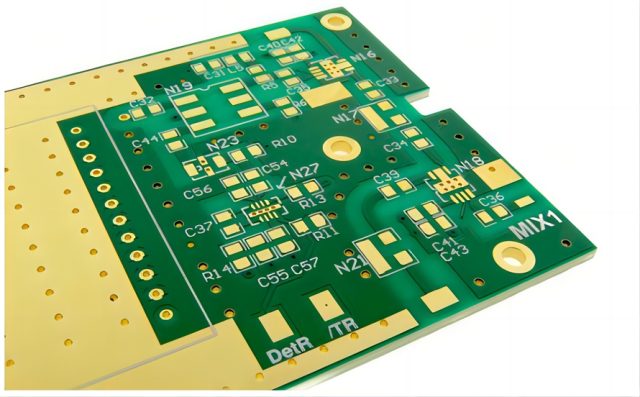
Microwave PCB performance depends heavily on manufacturing quality. Reliable suppliers ensure:
-
High-precision lamination and fine-line etching
-
Copper surface roughness control to reduce conductor loss
-
Clean drilling and via plating processes
-
AOI, X-ray inspection, and electrical testing
These processes ensure consistent microwave PCB quality from prototype to mass production.
Applications for Microwave PCBs
Microwave PCBs are widely used in:
-
RF front-end and microwave modules
-
5G and wireless communication systems
-
mmWave transceivers and phased array antennas
-
Automotive radar and sensing platforms
-
Satellite and aerospace communication equipment
These applications require high stability and low loss at microwave frequencies.
How to Choose the Right Supplier When You Order Microwave PCB
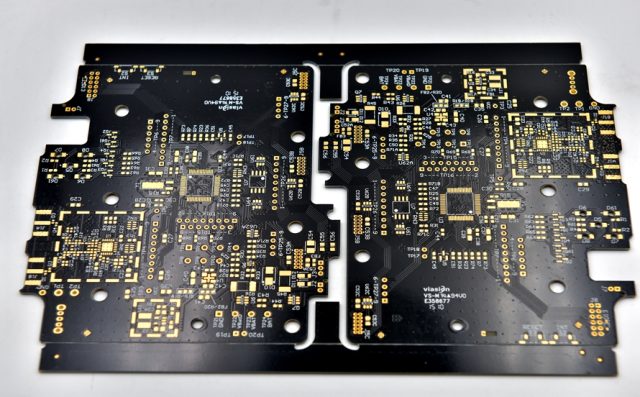
When selecting a supplier to order microwave PCBs, consider:
-
Experience in microwave and RF PCB manufacturing
-
Support for PTFE, Rogers, and hybrid stackups
-
Impedance control and RF testing capability
-
Engineering support and fast DFM feedback
-
Flexible production from prototype to volume
The right microwave PCB supplier reduces development risk and ensures long-term reliability.
Conclusion
Ordering microwave PCBs requires careful evaluation of materials, impedance control, and manufacturing precision. By working with an experienced manufacturer, engineers and buyers can confidently order microwave PCBs that meet the demanding requirements of RF, microwave, and mmWave applications.
Choosing the right partner ensures stable performance, faster validation, and scalable production for advanced microwave systems.
