
What Are Low Loss Materials?

Low loss materials are specialized PCB laminate materials designed to minimize signal attenuation in high-speed and high-frequency circuits. Compared to standard FR-4 materials, low loss materials provide:
-
Lower dissipation factor (Low Df)
-
Stable dielectric constant (Dk)
-
Reduced insertion loss
-
Improved signal integrity
-
Better high-frequency performance
Low loss materials are essential in applications where signal clarity, minimal distortion, and impedance stability are critical.
Why Low Loss Materials Matter in Modern PCB Design
As data rates increase and operating frequencies move into GHz and mmWave ranges, signal loss becomes a major design challenge.
Using low loss materials helps to:
-
Reduce signal attenuation over long trace lengths
-
Maintain clean eye diagrams in high-speed systems
-
Improve RF transmission efficiency
-
Enhance controlled impedance accuracy
-
Reduce thermal-related performance variation
For high speed PCB and high frequency PCB designs, selecting the right low loss material is crucial.
Key Electrical Properties of Low Loss Materials
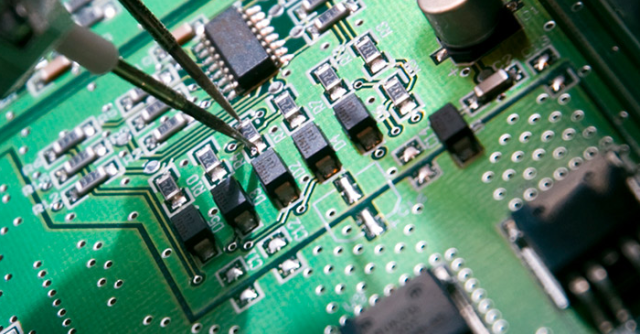
Low Dissipation Factor (Df)
The most important characteristic of low loss materials is their low Df value. A lower Df reduces energy loss as signals travel through the PCB dielectric.
Stable Dielectric Constant (Dk)
Stable Dk ensures accurate impedance control and predictable transmission line behavior.
Low Signal Attenuation
Low loss materials significantly reduce insertion loss at high frequencies.
Thermal Stability
High Tg and low CTE improve reliability in high-performance systems.
Common Types of Low Loss PCB Materials
Several material systems are widely used as low loss materials:
Hydrocarbon Ceramic Laminates
-
Balanced cost and performance
-
Used in 5G PCB and RF PCB
-
Examples: RO4003C, RO4350B
PTFE-Based Materials
-
Extremely low loss
-
Suitable for microwave and mmWave PCB
-
Used in radar and satellite systems
Advanced High-Speed Digital Laminates
-
Designed for 10G/25G/56G applications
-
Used in data center and networking equipment
Low Loss Materials vs Standard FR-4
| Feature | Low Loss Materials | Standard FR-4 |
|---|---|---|
| Dissipation Factor | Low | Higher |
| Signal Attenuation | Minimal | Moderate to High |
| High Frequency Performance | Excellent | Limited |
| Impedance Stability | Superior | Moderate |
For 5G PCB, RF PCB, and high speed digital PCB, low loss materials offer significantly better performance.
Applications of Low Loss Materials
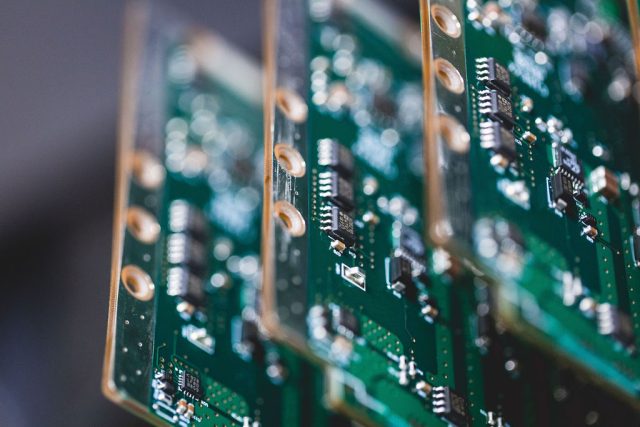
Low loss materials are commonly used in:
-
5G base station PCB
-
RF transceiver PCB
-
mmWave antenna PCB
-
Automotive radar PCB
-
High speed backplane PCB
-
Data center networking PCB
-
Satellite communication PCB
-
High frequency IoT PCB
Where signal integrity PCB performance is critical, low loss materials are the preferred choice.
Manufacturing Considerations for Low Loss Materials
Working with low loss materials requires:
-
Controlled impedance PCB fabrication
-
Tight laminate thickness control
-
Optimized copper roughness
-
Precise drilling and lamination process
-
Clean manufacturing environment
To maintain the electrical advantages of low loss materials, PCB manufacturing must follow strict process control standards.
Choosing the Right Low Loss Material Supplier
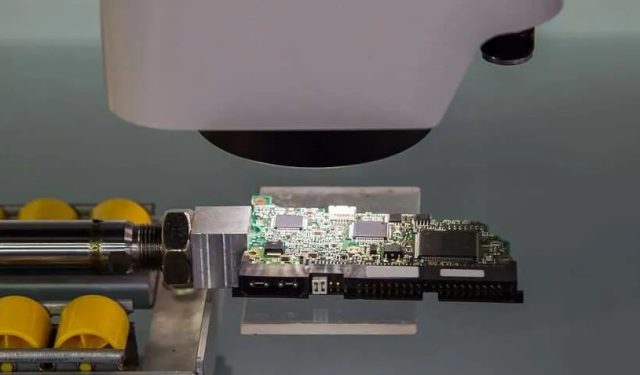
A professional low loss material supplier should provide:
-
Multiple laminate options
-
Technical material selection guidance
-
Controlled impedance testing
-
High frequency PCB fabrication experience
-
Fast prototype and volume production support
Selecting the correct low loss material ensures long-term reliability and consistent performance in advanced electronic systems.
