
What is a High Tg PCB?
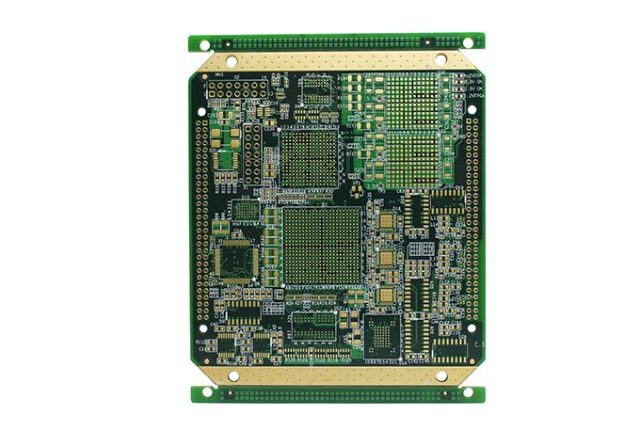
A High Tg PCB is a printed circuit board manufactured using materials with a high glass transition temperature (Tg), typically above 170°C.
The Tg value represents the temperature at which the PCB material transitions from a rigid state to a softer, more flexible state. A High Tg PCB maintains mechanical strength, dimensional stability, and electrical performance even under elevated temperatures.
High Tg PCB materials are widely used in applications requiring thermal resistance and long-term reliability.
Why High Tg PCB is Important
Standard PCB materials may degrade under high thermal stress, leading to:
- Delamination
- Warping
- Reduced reliability
- Electrical instability
A High Tg PCB helps prevent these issues by maintaining structural integrity under heat.
Typical Tg Ranges
| Material Type | Tg Value |
|---|---|
| Standard FR4 | 130–140°C |
| Mid Tg PCB | 150–170°C |
| High Tg PCB | ≥170°C |
| Ultra High Tg PCB | ≥200°C |
Key Advantages of High Tg PCB
1. High Thermal Stability
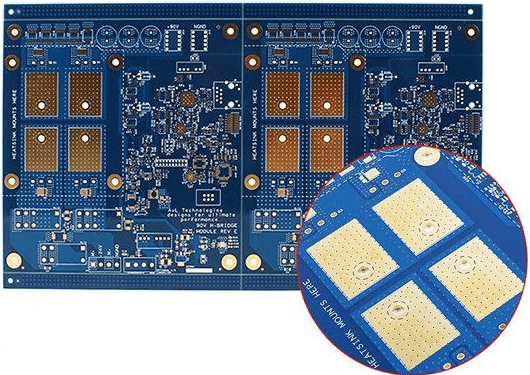
A High Tg PCB maintains performance under high temperatures and multiple reflow cycles.
2. Improved Reliability
Reduces risk of delamination and mechanical failure.
3. Better Dimensional Stability
Ensures consistent performance in multilayer PCB structures.
4. Suitable for Lead-Free Processes
High Tg PCB supports higher temperatures required in lead-free soldering.
High Tg PCB vs Standard PCB
| Feature | High Tg PCB | Standard FR4 PCB |
|---|---|---|
| Thermal Resistance | High | Moderate |
| Reliability | High | Standard |
| Cost | Higher | Lower |
| Application | Harsh environments | General electronics |
Applications of High Tg PCB
1. Automotive Electronics
Used in control systems and power electronics exposed to high temperatures.
2. Industrial Equipment
Suitable for harsh operating environments.
3. Power Electronics
Handles heat generated by high-current circuits.
4. Communication Systems
Ensures stability in high-performance electronics.
5. Multilayer PCB Designs
Supports complex high-layer count PCBs.
Manufacturing Considerations
Producing a High Tg PCB involves:
- Selecting stable high Tg materials
- Controlling lamination temperature and pressure
- Ensuring consistent dielectric thickness
- Maintaining layer alignment
Design Considerations
1. Thermal Management
High Tg PCB improves resistance but does not replace proper heat dissipation design.
2. Stack-Up Design
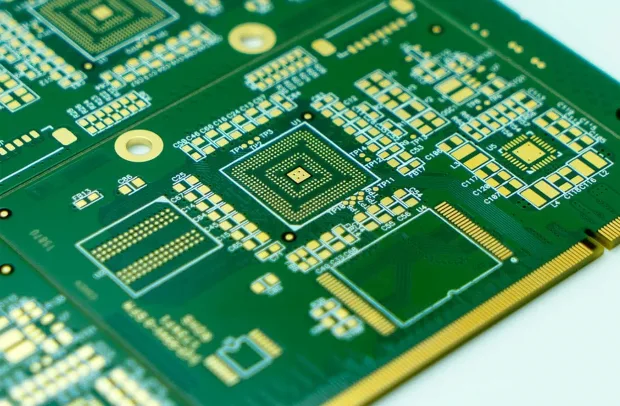
Important for multilayer High Tg PCB performance.
3. Material Compatibility
Ensure compatibility with other PCB materials and components.
When Should You Use a High Tg PCB?
Choose High Tg PCB when:
- Operating temperature is high
- Multiple soldering cycles are required
- High reliability is critical
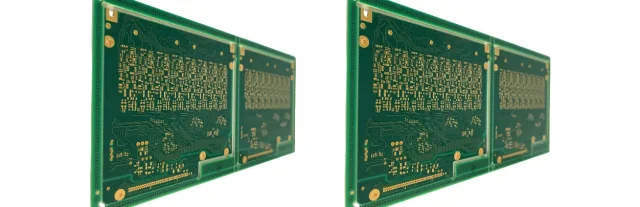
- Multilayer or high-density PCB is used
Avoid it when:
- Temperature conditions are mild
- Cost sensitivity is high
- Standard FR4 meets requirements
Conclusion
High Tg PCB provides enhanced thermal stability and reliability, making it a critical solution for high-temperature and high-performance electronic applications.By choosing the right High Tg PCB material and manufacturing process, you can significantly improve product lifespan and performance consistency.
