
A High TG PCB refers to a printed circuit board manufactured with laminate materials that feature a high glass transition temperature, typically 170°C or above.
However, in advanced electronics, High TG material selection is not only about temperature tolerance — it is fundamentally about mechanical stability under thermal stress.
In multilayer, thick copper, and high-power systems, thermal expansion control becomes critical. High TG substrates help maintain structural integrity when exposed to repeated heating cycles.
The Importance of Z-Axis Expansion Control
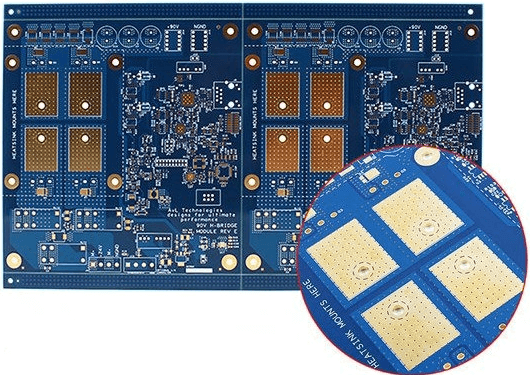
One of the most important reasons to choose High TG material is reduced Z-axis expansion.
When a PCB experiences temperature rise:
-
The dielectric expands vertically
-
Copper plating inside vias experiences mechanical stress
-
Repeated stress may cause barrel cracking
High TG materials offer:
-
Lower Z-axis expansion
-
Better plated through-hole reliability
-
Improved resistance to via fatigue
This is especially critical in multilayer boards with high aspect ratio vias.
High TG in Lead-Free Assembly
Lead-free soldering requires higher reflow temperatures (around 245–260°C).
Standard TG materials may soften excessively at these temperatures, causing:
-
Delamination
-
Pad lifting
-
Resin cracking
-
Warpage
High TG laminates remain structurally stable, reducing assembly-related failure risks.
High TG and Multilayer PCB Stability
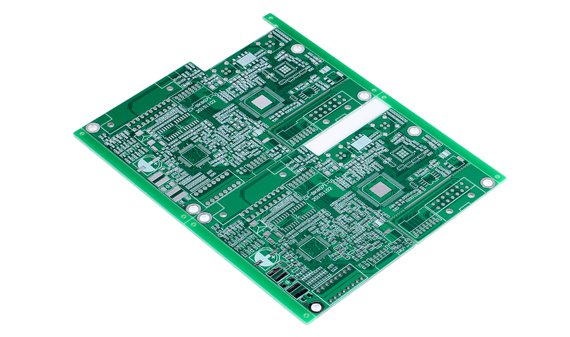
In high layer count designs (8L, 10L, 12L and above), internal stress during lamination and thermal cycling increases.
High TG materials provide:
-
Better dimensional stability
-
Reduced internal stress
-
Lower risk of layer separation
-
More stable impedance performance
This makes them suitable for high-speed multilayer stack-ups and power electronics systems.
High TG and Thick Copper Applications
Thick copper PCBs generate more heat due to high current load.
High TG materials:
-
Maintain mechanical strength under heat
-
Support thermal cycling reliability
-
Reduce the risk of resin cracking near heavy copper areas
This improves lifetime performance in power control and industrial systems.
CAF Resistance and Moisture Reliability
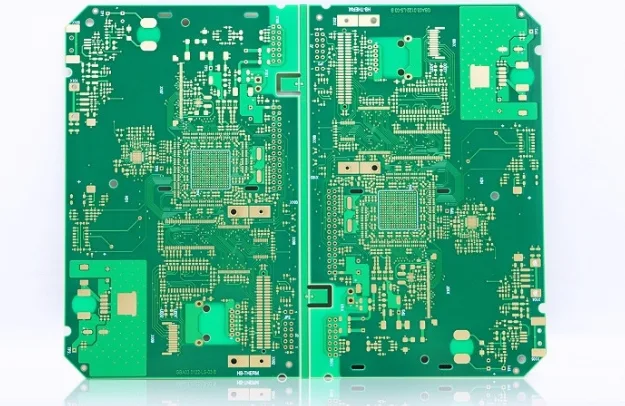
Conductive Anodic Filament (CAF) growth is a reliability concern in humid and high-voltage environments.
High TG laminates generally offer:
-
Improved moisture resistance
-
Better CAF performance
-
Increased long-term insulation reliability
This is critical for automotive and industrial electronics operating in harsh conditions.
Application Areas
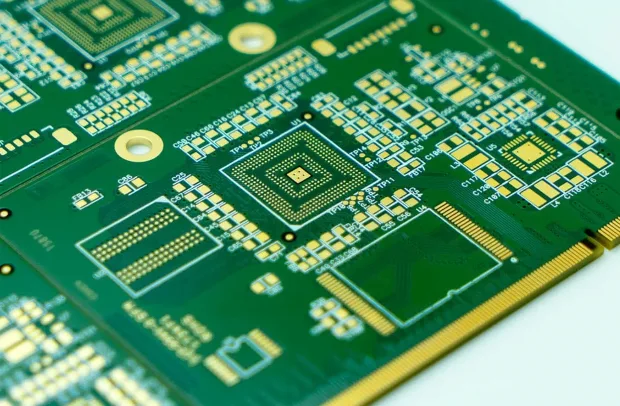
High TG PCBs are widely applied in:
-
Automotive ECUs
-
Industrial motor control systems
-
Power supply modules
-
Communication base stations
-
High layer count networking boards
-
LED power drivers
These systems demand durability under repeated temperature fluctuations.
High TG vs Standard TG in Real-World Performance
| Parameter | Standard TG | High TG |
|---|---|---|
| Z-axis Expansion | Higher | Lower |
| Lead-Free Compatibility | Limited | Excellent |
| Multilayer Reliability | Moderate | High |
| Thick Copper Support | Limited | Strong |
| Thermal Cycling Resistance | Moderate | Improved |
High TG is often selected not for average temperature, but for stress endurance.
Conclusion
High TG PCB materials provide enhanced mechanical and thermal stability in demanding electronic applications. By reducing Z-axis expansion, improving via reliability, and resisting thermal deformation, they support long-term durability in multilayer and high-power systems.
For engineers designing products exposed to thermal cycling, high current loads, or lead-free assembly processes, High TG PCB materials deliver a more stable and reliable platform.
