
In many industries, electronic systems must operate reliably under extreme conditions. Whether used in aerospace equipment, medical devices, or industrial control systems, circuit boards must deliver consistent performance without failure. This is where high reliability PCBs become essential.
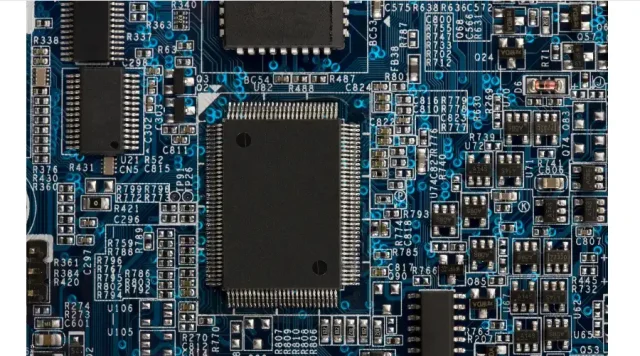
Unlike standard circuit boards, high reliability PCBs are specifically engineered to withstand environmental stress, electrical load, and long-term operation. Their design and manufacturing processes follow stricter standards to ensure stable and predictable performance.
What Is a High Reliability PCB?
A high reliability PCB is a circuit board designed and manufactured to maintain stable performance in demanding environments. These boards are typically used in systems where failure is not acceptable.
Compared with conventional PCBs, high reliability boards feature:
-
Higher manufacturing precision
-
Strict quality control processes
-
Enhanced materials for durability
-
Improved electrical and thermal stability
These characteristics ensure that the PCB continues to function properly throughout the product’s lifecycle.
Key Factors in High Reliability PCB Design
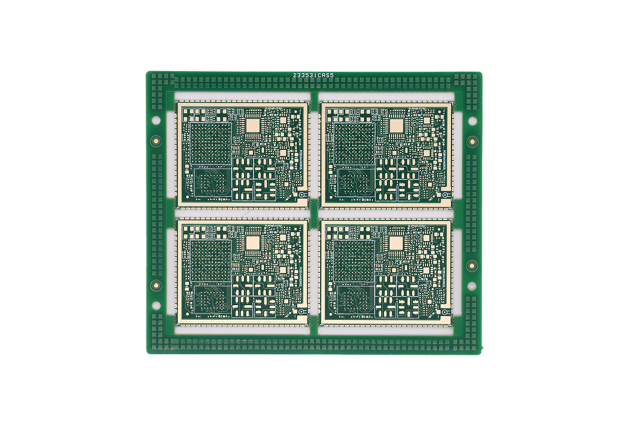
Achieving high reliability requires careful planning during the design stage. Engineers must consider multiple factors to ensure long-term stability.
Material Selection
High-quality substrate materials improve thermal stability and mechanical strength. Materials with low moisture absorption and stable dielectric properties are commonly used.
Robust Trace Design
Trace width and spacing must be optimized to handle electrical loads while preventing overheating and signal degradation.
Thermal Management
Effective heat dissipation is essential for maintaining reliability. Designers often incorporate thermal vias, copper planes, and heat sinks to control operating temperatures.
Redundancy and Safety Margins
In mission-critical systems, additional design margins are often included to reduce the risk of failure.
Manufacturing Requirements for High Reliability PCBs
Producing high reliability PCBs requires advanced fabrication processes and strict inspection standards.
Key manufacturing practices include:
Precision Layer Alignment
Accurate layer registration ensures electrical connections function correctly.
Controlled Impedance Fabrication
High-speed circuits require consistent impedance to maintain signal integrity.
Advanced Testing Procedures
Electrical testing, X-ray inspection, and automated optical inspection help detect defects before shipment.
Quality Management Systems
Manufacturers often follow strict quality standards to ensure product reliability.
Industries That Require High Reliability PCBs
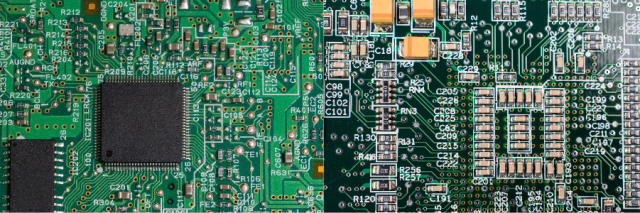
High reliability PCBs are used in industries where electronic failure could lead to serious consequences.
Aerospace Systems
Flight control systems and navigation equipment require extremely reliable electronics.
Medical Equipment
Life-support devices and diagnostic machines rely on stable PCB performance.
Automotive Electronics
Advanced driver assistance systems and electric vehicle controllers demand high reliability under harsh conditions.
Industrial Automation
Factory automation systems require long-lasting electronics capable of operating continuously.
Benefits of High Reliability PCB Manufacturing
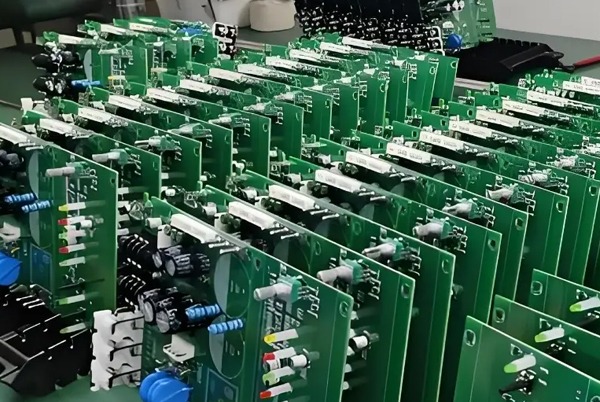
Organizations that invest in high reliability PCB solutions gain several advantages:
-
Reduced risk of system failure
-
Longer product lifespan
-
Improved performance stability
-
Lower maintenance and repair costs
For mission-critical systems, these benefits are essential for maintaining operational safety and efficiency.
Conclusion
High reliability PCBs play a crucial role in ensuring the safe and stable operation of modern electronic systems. Through careful design, high-quality materials, and strict manufacturing standards, these circuit boards can perform consistently even in demanding environments.
As industries continue to rely on advanced electronics, the demand for high reliability PCB solutions will continue to grow across aerospace, medical, automotive, and industrial sectors.
