
What Is a High Layer Count PCB?
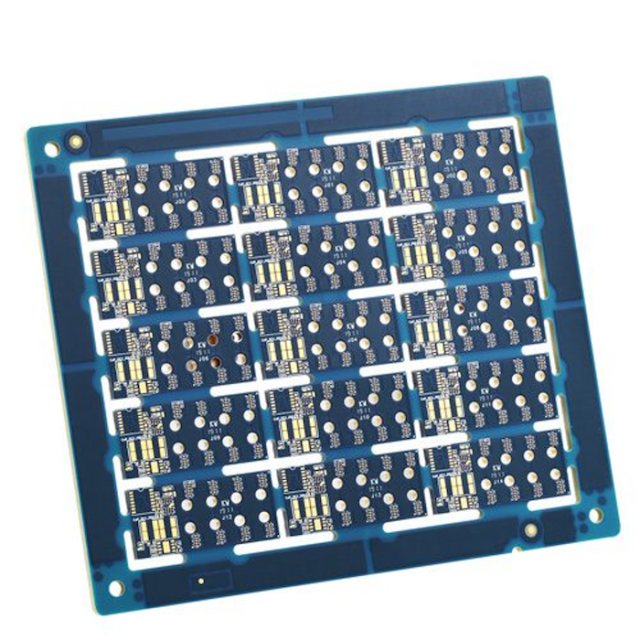
A High Layer Count PCB is a multilayer printed circuit board that contains a large number of conductive layers, typically 12 layers or more, designed to support highly complex electronic systems. These PCBs allow engineers to route dense circuitry while maintaining signal integrity, power stability, and electromagnetic compatibility.
As modern electronic devices become more powerful and compact, traditional 2-layer or 4-layer PCBs are often insufficient. High layer count boards provide additional routing space, allowing designers to manage high-speed signals, power distribution networks, and large component densities within a single board.
High layer count PCBs are widely used in industries where high performance and reliability are essential, such as:
-
Data centers and high-speed computing systems
-
Telecommunications and networking equipment
-
Aerospace and defense electronics
-
Medical imaging devices
-
High-performance industrial control systems
Structure of High Layer Count PCBs
High layer count boards consist of multiple stacked conductive copper layers separated by insulating dielectric materials. These layers are laminated together under controlled pressure and temperature to form a single integrated circuit board.
A typical high layer stack-up may include:
-
Signal layers for high-speed routing
-
Power planes for stable voltage distribution
-
Ground planes for noise suppression
-
Controlled impedance layers for RF or high-speed signals
Proper stack-up design is essential to maintain signal integrity, low noise, and balanced electrical performance.
Key Advantages of High Layer Count PCB
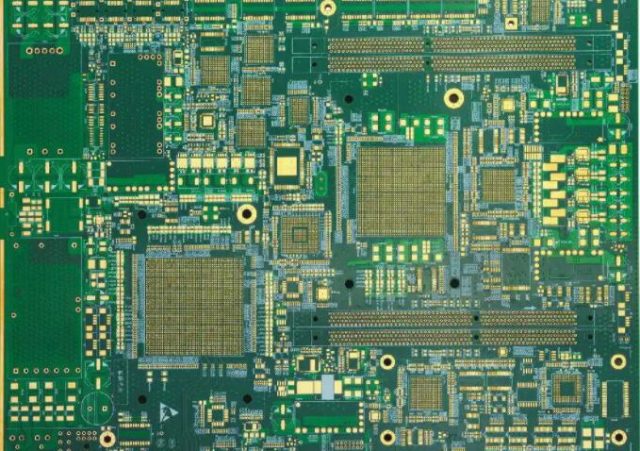
High Routing Density
With many conductive layers available, designers can route complex circuits while maintaining clean signal paths and organized layouts.
Improved Signal Integrity
Dedicated ground and power planes help reduce electromagnetic interference (EMI) and improve overall signal quality, which is critical in high-speed electronic systems.
Better Power Distribution
Multiple internal power layers allow stable and efficient power delivery to components, reducing voltage fluctuations and improving system performance.
Compact System Design
High layer count PCBs allow designers to integrate complex functionality into a smaller footprint, reducing the need for multiple boards or connectors.
Design Considerations for High Layer Count PCBs
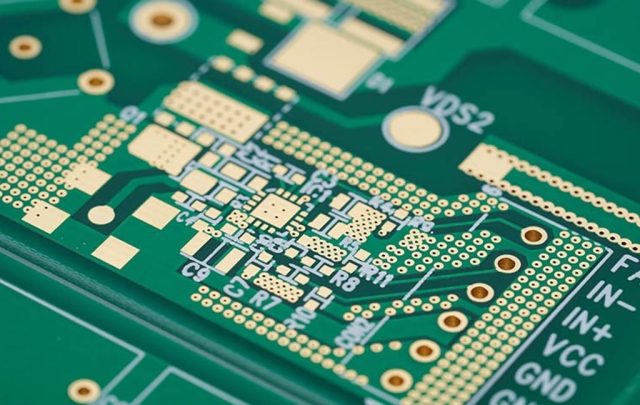
Designing a high layer count PCB requires careful planning to ensure reliable manufacturing and stable electrical performance.
Stack-Up Optimization
Proper layer arrangement is essential for controlling impedance, minimizing crosstalk, and maintaining signal integrity across high-speed circuits.
Thermal Management
Complex circuits generate significant heat. Engineers must consider thermal vias, copper thickness, and board materials to ensure effective heat dissipation.
Signal Integrity Analysis
High-speed signals require precise impedance control and spacing rules to prevent signal degradation, reflection, or timing errors.
Manufacturing Precision
Fabricating high layer count boards requires advanced processes such as sequential lamination, laser drilling, and high-precision alignment to ensure all layers are correctly connected.
Applications of High Layer Count PCBs
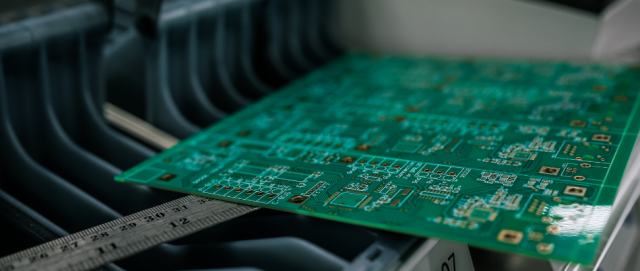
High layer count PCBs play a critical role in many advanced electronic systems that demand high performance and reliability.
Common applications include:
-
High-speed networking equipment and routers
-
Server motherboards and data center hardware
-
Satellite and aerospace electronics
-
Medical imaging systems such as CT and MRI equipment
-
Advanced industrial automation systems
These systems rely on high layer count PCBs to support complex circuitry, high-speed signals, and stable power distribution.
Conclusion
A High Layer Count PCB is an essential technology for modern electronic systems that require high circuit density and high-speed performance. By providing additional routing layers, improved signal integrity, and efficient power distribution, these boards enable engineers to design increasingly complex and powerful electronic devices.
As technologies such as 5G communication, artificial intelligence hardware, and high-performance computing continue to evolve, high layer count PCBs will remain a key foundation for next-generation electronic systems.
