
In modern electronic product development, PCB manufacturing and PCBA assembly are no longer limited to board fabrication and component placement. A stable and efficient electronic components sourcing strategy has become a critical factor affecting project schedules, production costs, and product reliability.
Component shortages, supply chain uncertainty, counterfeit risks, and inconsistent quality can create significant challenges during prototype development and mass production. For companies developing industrial electronics, communication equipment, automotive systems, medical devices, and IoT products, reliable component procurement support is essential to ensure smooth transition from design validation to volume manufacturing.
As a one-stop PCB and PCBA solution provider, KKPCB provides comprehensive electronic components sourcing services integrated with PCB fabrication and assembly capabilities. By combining engineering review, supplier management, component verification, and production coordination, KKPCB helps customers improve supply chain efficiency and reduce procurement risks.
1. Why Electronic Components Sourcing Matters in PCB Assembly

A PCBA project involves hundreds or even thousands of electronic components, including:
- Integrated circuits (ICs)
- Microcontrollers (MCUs)
- Sensors
- Connectors
- Resistors and capacitors
- Power devices
- Memory components
- RF modules
- Electromechanical components
The availability and quality of these components directly influence:
- Production schedule
- Manufacturing cost
- Product reliability
- Field performance
A PCB design may be technically feasible, but without effective component sourcing, production delays or redesign requirements can occur.
2. Common Challenges in Electronic Component Procurement
2.1 Component Availability and Lead Time
Electronic components often experience supply fluctuations due to:
- Market demand changes
- Semiconductor capacity limitations
- Global supply chain disruptions
- Product lifecycle changes
Long lead times for critical components may delay:
- Prototype builds
- Engineering validation
- Mass production
Early sourcing analysis helps identify potential risks before manufacturing begins.
2.2 Counterfeit and Quality Risks
The electronic component market includes various supply channels, and component authenticity is a major concern.
Potential risks include:
- Counterfeit ICs
- Re-marked components
- Incorrect specifications
- Poor storage conditions
Using unreliable components may result in:
- Functional failures
- Reduced product lifetime
- Difficult troubleshooting
Component traceability and supplier verification are therefore essential.
2.3 Obsolete and End-of-Life Components
Many semiconductor products have limited lifecycles.
Challenges include:
- Manufacturer discontinuation
- Last-time-buy decisions
- Alternative component evaluation
A professional sourcing process should consider:
- Current availability
- Future supply stability
- Replacement options
2.4 Cost Optimization
Component cost is affected by:
- Order quantity
- Supplier channels
- Market availability
- Packaging requirements
Effective sourcing balances:
- Cost
- Quality
- Availability
- Long-term supply reliability
3. KKPCB Electronic Components Sourcing Capability
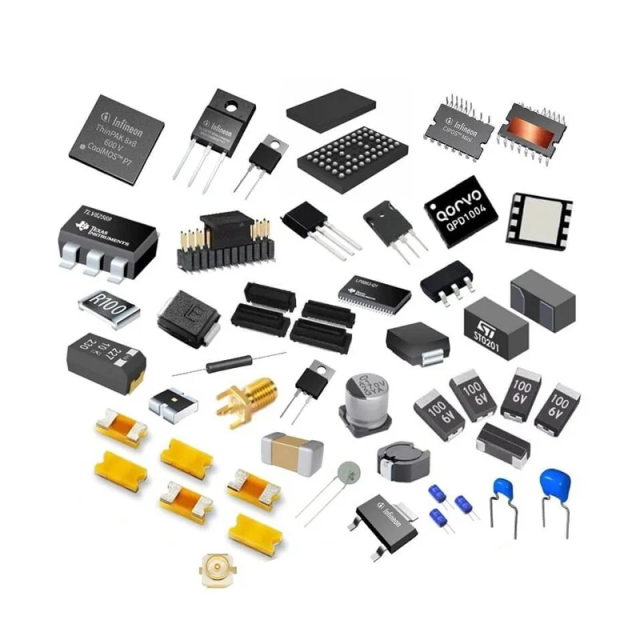
KKPCB provides component sourcing support as part of its integrated PCB and PCBA manufacturing services.
The service covers:
- Component procurement
- Supplier evaluation
- BOM review
- Alternative component analysis
- Supply chain coordination
- Production preparation support
This integrated approach helps customers simplify communication between:
- PCB engineering teams
- Component suppliers
- Assembly production teams
4. BOM Review and Component Analysis
Before procurement, KKPCB can assist with BOM evaluation to identify potential manufacturing risks.
The review may include:
Component Availability Check
Evaluation of:
- Stock availability
- Lead time
- Lifecycle status
- Supply continuity
Specification Verification
Checking:
- Part numbers
- Package types
- Voltage ratings
- Temperature ratings
- Electrical parameters
Alternative Component Suggestions
When original components are difficult to source, alternatives may be considered based on:
- Electrical compatibility
- Mechanical compatibility
- Manufacturing requirements
This helps reduce production delays caused by component shortages.
5. Supplier and Supply Chain Management
A reliable component supply chain requires careful supplier selection.
Key considerations include:
Supplier Qualification
Evaluation factors include:
- Market reputation
- Supply capability
- Product authenticity
- Quality documentation
Component Traceability
For high-reliability applications, traceability information may include:
- Manufacturer information
- Lot number
- Production date
- Quality certification
This is especially important for industries such as:
- Automotive electronics
- Industrial control
- Medical equipment
6. Component Sourcing for Different Applications
Industrial Electronics
Industrial products often require:
- Long-term component availability
- High-temperature reliability
- Stable supply channels
Typical components include:
- Industrial-grade MCUs
- Power management ICs
- Sensors
- Connectors
Automotive Electronics
Automotive applications require strict attention to:
- Reliability standards
- Temperature performance
- Lifecycle management
Component selection must consider:
- Automotive-grade qualification
- Long-term supply support
Communication and RF Products
RF and communication systems require components such as:
- RF transceivers
- Filters
- Amplifiers
- Antenna components
Component performance directly affects:
- Signal integrity
- Communication reliability
IoT and Smart Devices
IoT products often require:
- Low-power components
- Compact packages
- Wireless modules
Sourcing must balance:
- Size constraints
- Power consumption
- Availability
7. Integration with PCB and PCBA Manufacturing
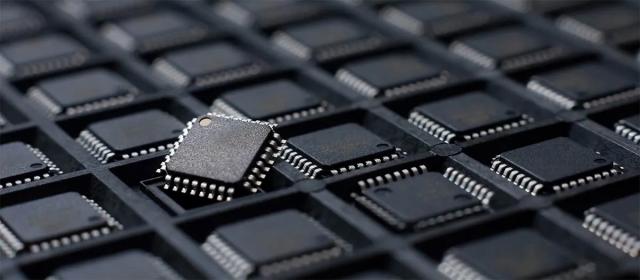
One advantage of integrated sourcing is improved coordination between components and PCB production.
KKPCB can support:
DFM Compatibility Review
Checking whether:
- Component packages match PCB design
- Footprints are correct
- Assembly requirements are achievable
SMT Assembly Preparation
Considering:
- Component placement requirements
- Feeder availability
- Assembly process compatibility
Production Risk Reduction
Early coordination helps prevent issues such as:
- Incorrect footprints
- Missing components
- Assembly delays
- Unexpected substitutions
8. Component Quality Control
Quality control is an important part of reliable PCBA production.
Common verification methods include:
- Supplier documentation review
- Incoming inspection
- Visual inspection
- Part number verification
- Electrical testing when required
For critical applications, additional verification methods may be applied according to project requirements.
9. Advantages of Integrated PCB + Component Sourcing
Reduced Communication Complexity
Instead of coordinating with multiple suppliers, customers can manage:
- PCB fabrication
- Component procurement
- Assembly
- Engineering support
through one manufacturing partner.
Faster Prototype Transition
Integrated sourcing helps accelerate:
- Prototype builds
- Engineering samples
- Small-batch production
Better Production Control
Close coordination between sourcing and manufacturing improves:
- Material preparation
- Production scheduling
- Manufacturing consistency
10. Supporting Prototype to Mass Production
Electronic product development often moves through different stages:
Prototype Stage
Focus:
- Fast component availability
- Design validation
- Engineering support
Small Batch Production
Focus:
- Supply stability
- Manufacturing optimization
- Cost control
Mass Production
Focus:
- Long-term supply management
- Consistent quality
- Production efficiency
A flexible sourcing strategy supports each stage of product development.
Conclusion
Reliable electronic components sourcing is a key part of successful PCB and PCBA manufacturing. Component availability, authenticity, lifecycle management, and supplier reliability directly influence product quality and production efficiency.
Through integrated PCB fabrication, PCBA assembly, engineering support, and component sourcing services, KKPCB helps customers reduce supply chain complexity and improve production readiness.
From prototype development to volume manufacturing, a professional sourcing approach enables more stable production, shorter lead times, and higher-quality electronic products.
