
As electronic devices become more powerful and compact, effective heat dissipation has become one of the most critical challenges in PCB design. Ceramic PCBs provide a high-performance solution by combining excellent thermal conductivity with strong electrical insulation.
Compared with traditional fiberglass-based circuit boards, ceramic substrates allow electronic systems to operate at higher power levels while maintaining stable performance. For this reason, ceramic PCBs are widely used in high-power electronics, RF systems, and advanced industrial applications.
What Is a Ceramic PCB?
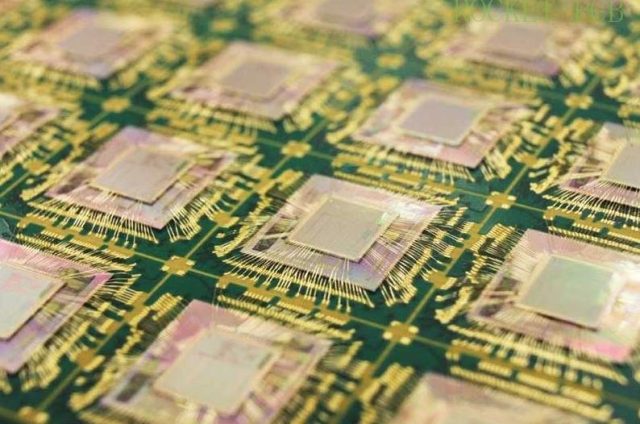
A ceramic PCB is a circuit board that uses ceramic materials as the substrate instead of traditional FR4 fiberglass. Ceramic substrates provide superior thermal conductivity, mechanical strength, and temperature stability.
Common ceramic PCB materials include:
-
Alumina (Al₂O₃) – widely used and cost-effective
-
Aluminum Nitride (AlN) – high thermal conductivity
-
Beryllium Oxide (BeO) – extremely high thermal performance
Among these options, alumina and aluminum nitride are the most commonly used in electronic manufacturing.
Key Advantages of Ceramic PCBs
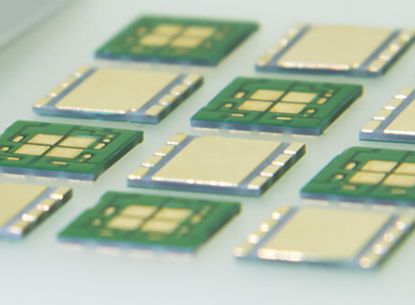
Ceramic PCB technology offers several important benefits for advanced electronic systems.
Excellent Thermal Conductivity
Ceramic materials conduct heat far more efficiently than standard PCB substrates. This allows heat generated by components to dissipate quickly, preventing overheating.
High Temperature Resistance
Ceramic boards can operate in high-temperature environments without degradation, making them suitable for industrial and automotive applications.
Strong Electrical Insulation
Despite their thermal conductivity, ceramic materials also provide excellent electrical insulation between circuit layers.
Low Thermal Expansion
Ceramic substrates have a low coefficient of thermal expansion, reducing mechanical stress and improving long-term reliability.
Types of Ceramic PCB Technologies
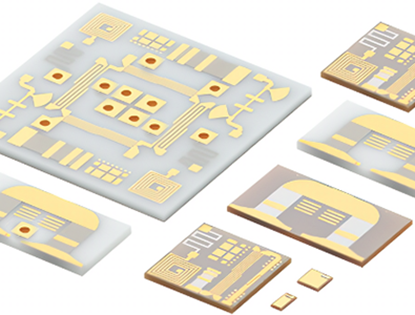
Several manufacturing methods are used to produce ceramic PCBs.
Thick Film Ceramic PCB
Conductive paste is printed onto the ceramic surface and then fired at high temperatures to form circuit patterns.
Thin Film Ceramic PCB
Thin-film processes use vacuum deposition techniques to create extremely precise circuit structures.
Direct Bonded Copper (DBC)
In DBC technology, copper layers are directly bonded to the ceramic substrate, providing excellent thermal performance and high current capability.
Applications of Ceramic PCBs
Ceramic PCBs are widely used in industries where thermal performance and reliability are critical.
LED Lighting Systems
High-power LED modules generate significant heat that must be dissipated efficiently.
Power Electronics
Power modules, inverters, and converters require substrates with high thermal conductivity.
RF and Microwave Circuits
Ceramic materials provide stable electrical properties for high-frequency applications.
Automotive Electronics
Electric vehicle systems and power control modules often use ceramic substrates.
Aerospace Systems
High-reliability aerospace electronics benefit from ceramic PCB durability.
Ceramic PCB vs Traditional PCB Materials
Compared with conventional FR4 circuit boards, ceramic PCBs offer several performance advantages.
FR4 PCB
-
Lower cost
-
Suitable for general electronics
-
Limited thermal conductivity
-
Excellent heat dissipation
-
High temperature stability
-
Suitable for high-power and high-frequency applications
Although ceramic PCBs are more expensive, their performance advantages make them essential for demanding electronic systems.
Design Considerations for Ceramic PCBs
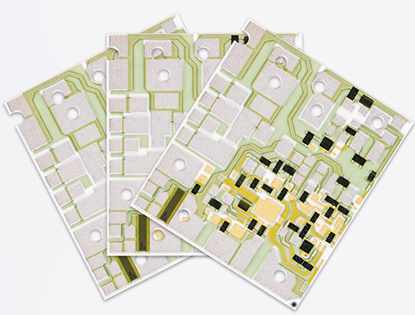
Engineers designing ceramic PCBs must consider several factors.
Component Placement
Heat-generating components should be placed to maximize thermal conduction.
Thermal Path Optimization
Designers should ensure direct heat paths from components to the ceramic substrate.
Material Selection
Choosing the correct ceramic material depends on the thermal and electrical requirements of the application.
Manufacturing Compatibility
Ceramic PCB fabrication requires specialized processes and experienced manufacturers.
Conclusion
Ceramic PCB technology offers exceptional thermal performance, reliability, and electrical stability for modern electronic systems. By using ceramic substrates, engineers can design circuit boards capable of handling high power densities and extreme operating environments.
As electronics continue to evolve toward higher power and greater integration, ceramic PCBs will play an increasingly important role in advanced electronic design.
