
What Is a Burn-in PCB?
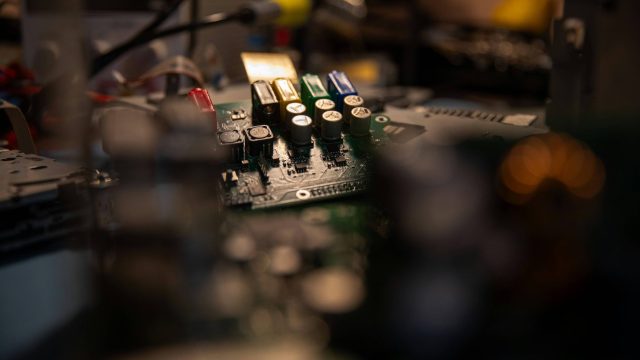
A Burn-in PCB is a specialized printed circuit board designed for semiconductor burn-in testing. It is used to apply electrical and thermal stress to integrated circuits (ICs) over an extended period to identify early-life failures and ensure long-term reliability.
Burn-in testing is a critical quality control process in semiconductor manufacturing, especially for high-reliability industries such as automotive, aerospace, industrial control, and telecommunications.
Burn-in PCBs are commonly used in:
-
IC burn-in boards
-
Reliability stress testing platforms
-
High temperature aging systems
-
Semiconductor qualification processes
Why Burn-in PCB Is Critical in Semiconductor Testing
Semiconductor devices may experience early failures due to latent manufacturing defects. Burn-in testing accelerates aging by operating devices at:
-
Elevated temperatures
-
High voltage conditions
-
Continuous electrical load
-
Extended time cycles
A reliable Burn-in PCB ensures stable power distribution, consistent signal integrity, and mechanical durability throughout the stress testing process.
Key Features of Burn-in PCB
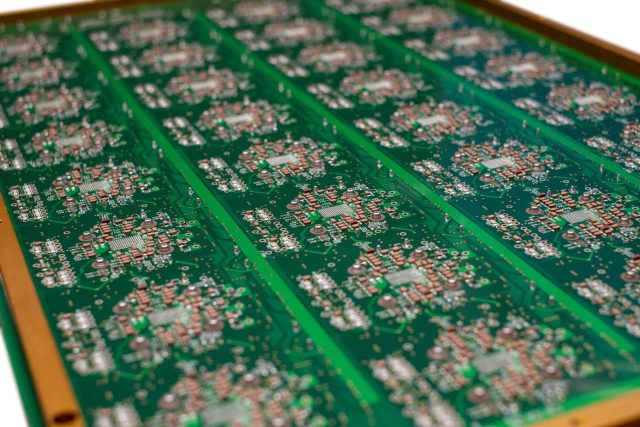
1. High Temperature Resistance
Burn-in PCBs must operate in environments ranging from 125°C to 175°C or higher. Materials with:
-
High TG (Glass Transition Temperature)
-
Excellent thermal stability
-
Low CTE (Coefficient of Thermal Expansion)
are essential for preventing warpage and delamination.
2. High Current Handling Capability
Burn-in boards often deliver continuous current to multiple devices simultaneously. Proper copper thickness, power plane design, and thermal management are critical.
3. Long-Term Reliability
Unlike standard PCBs, Burn-in PCBs are exposed to repeated thermal cycling and extended stress duration. High-quality lamination and robust plating processes ensure durability over thousands of hours of operation.
4. Stable Electrical Performance
Accurate voltage distribution and consistent signal routing are required to avoid false failure results during stress testing.
Common Materials for Burn-in PCB
Material selection depends on operating temperature and reliability requirements. Common options include:
-
High TG FR-4
-
Polyimide materials
-
BT epoxy materials
-
High reliability laminates
For extreme environments, polyimide-based materials are often preferred due to their superior thermal endurance.
Applications of Burn-in PCB
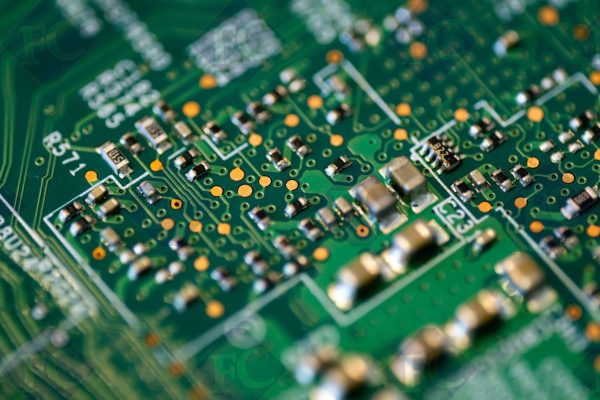
Burn-in PCBs are widely used in:
-
Automotive IC reliability testing
-
Power management IC burn-in
-
Microcontroller and logic device testing
-
Memory device aging tests
-
Industrial semiconductor screening
-
Aerospace-grade component validation
In automotive and mission-critical electronics, burn-in screening is often mandatory to meet strict reliability standards.
Design Considerations for Burn-in PCB
Thermal Management
-
Proper airflow design
-
Heat dissipation optimization
-
Thermal via structures
Power Integrity
-
Stable voltage planes
-
Low resistance power routing
-
Even current distribution
Mechanical Stability
-
Reinforced board thickness
-
Warpage control
-
Reliable socket integration
Test Socket Compatibility
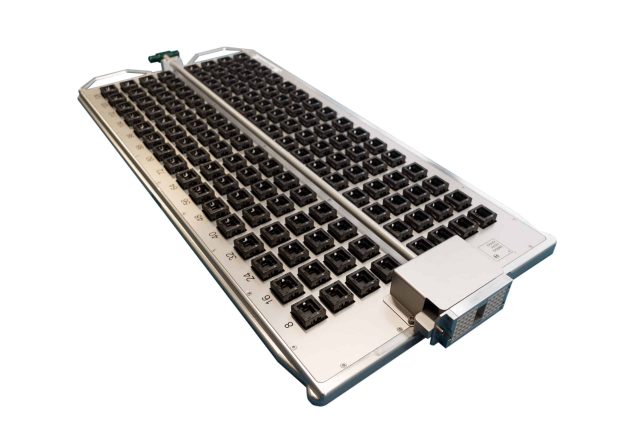
Burn-in boards often integrate test sockets for easy DUT insertion and removal, requiring precise mechanical alignment.
Burn-in PCB vs Standard Test PCB
| Feature | Burn-in PCB | Standard Test PCB |
|---|---|---|
| Temperature Resistance | Very High | Moderate |
| Stress Duration | Long-Term | Short-Term |
| Current Load | Continuous | Intermittent |
| Reliability Requirement | Extremely High | Standard |
Burn-in PCBs are specifically engineered for extended stress testing environments.
Choosing a Professional Burn-in PCB Manufacturer
A reliable Burn-in PCB supplier should offer:
-
High TG and polyimide material options
-
Thick copper capability
-
High layer count fabrication
-
Strict thermal and electrical testing
-
Stable mass production support
Working with an experienced manufacturer ensures consistent board performance under extreme testing conditions.
Conclusion
Burn-in PCBs play a vital role in semiconductor reliability assurance. By combining high temperature resistance, stable electrical performance, and robust mechanical design, these boards help manufacturers eliminate early failures and deliver reliable products to the market.
Selecting the right Burn-in PCB partner ensures improved screening efficiency, reduced field failures, and long-term product reliability.
