
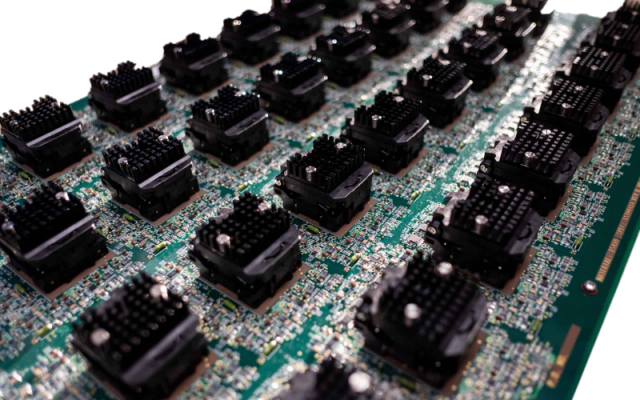
In modern electronics, reliability is key. From industrial control systems to embedded devices and consumer electronics, manufacturers must ensure their products perform consistently over time. One essential tool in this process is the Burn-in PCB, a specialized printed circuit board used for reliability testing under stress conditions
 .
.
Burn-in testing helps identify early-life failures, verify thermal performance, and ensure that devices meet quality standards before shipment. The Burn-in PCB plays a central role in this process, supporting repeated testing at elevated temperatures and operational stress.
What is a Burn-in PCB?
A Burn-in PCB is a circuit board designed to allow electronic components and assemblies to undergo stress testing for reliability validation. The goal is to accelerate potential failures by operating devices at high temperature, voltage, or load conditions, simulating long-term usage in a short period.
Burn-in PCBs are widely used in:
-
Power electronics and control boards
-
Microcontrollers and embedded systems
-
LED modules and lighting drivers
-
High-reliability communication devices
-
Automotive and aerospace electronics
Key Features of Burn-in PCBs
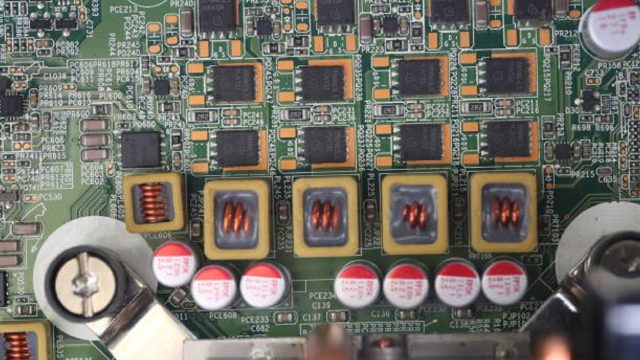
Burn-in PCBs are specially engineered to handle harsh testing conditions. Key features include:
High Thermal Stability
Burn-in tests involve elevated temperatures, often up to 125°C or higher. PCB materials must maintain mechanical and electrical stability under these conditions. Common materials include FR4 with high Tg, Rogers laminates, or ceramic-based substrates.
Reliable Soldering and Connectivity
Repeated thermal cycles can stress solder joints. Burn-in PCBs are designed to minimize mechanical fatigue, often using reinforced vias, thicker copper, and stable surface finishes like ENIG or OSP.
Controlled Trace Design
High current or voltage stress testing requires precise trace widths and spacing to prevent hotspots, arcing, or signal degradation.
Test Fixture Compatibility
Burn-in PCBs often integrate with specialized test fixtures, sockets, or connectors that allow automated or semi-automated testing across multiple units simultaneously.
Manufacturing Considerations
Creating a Burn-in PCB requires advanced PCB fabrication capabilities:
-
High-Tg Materials: Ensure dimensional stability and prevent warping at high temperatures.
-
Thicker Copper: Supports high current and heat dissipation.
-
Precise Impedance Control: For boards carrying high-frequency signals during stress tests.
-
Thermal Management Features: Heat sinks, thermal vias, or embedded cooling layers.
Attention to these details ensures the PCB can withstand repeated burn-in cycles without failure.
Applications of Burn-in PCBs
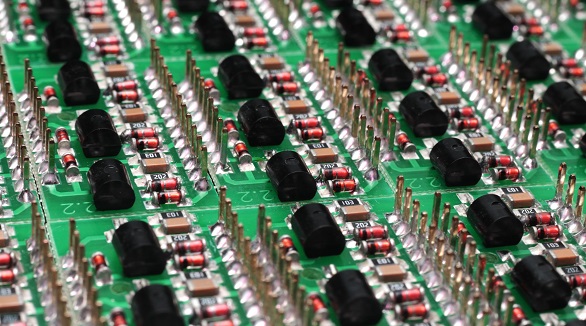
Burn-in PCBs are critical wherever early-life failure prevention is required:
-
Consumer Electronics: Smartphones, tablets, and laptops undergo burn-in to ensure reliable performance.
-
Industrial Electronics: PLCs, motor controllers, and power modules are tested to prevent downtime.
-
Aerospace and Automotive: High-reliability boards undergo burn-in to meet strict safety and quality standards.
-
LED and Power Devices: Burn-in testing stabilizes brightness and prevents premature failures.
Choosing the Right Burn-in PCB Manufacturer
Because burn-in testing puts PCBs under extreme conditions, partnering with an experienced manufacturer is crucial. Look for capabilities such as:
-
High-Tg and high-reliability material expertise
-
Advanced thermal design and copper thickness options
-
Precision manufacturing and QA processes
-
Experience with automated burn-in fixtures and test setups
A reliable partner ensures your burn-in PCBs perform consistently and support accurate stress testing.
Conclusion
Burn-in PCBs are essential for validating the reliability of modern electronic devices. By simulating stress conditions and identifying potential failures early, they help manufacturers deliver robust, high-performance products.
Whether in consumer electronics, industrial systems, or aerospace applications, investing in high-quality Burn-in PCBs ensures long-term reliability and customer satisfaction.
