
BT Epoxy PCB: A Reliable Substrate for Advanced Packaging and High-Density Electronics
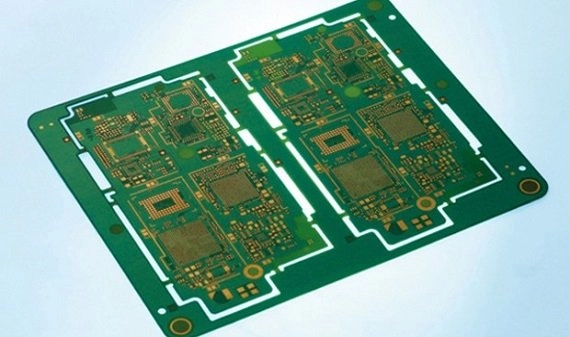
As electronics continue to evolve toward smaller size, higher integration, and better reliability, PCB substrate materials must provide stronger performance under thermal and environmental stress. In applications such as IC packaging, fine-pitch routing, and high-density modules, standard FR4 may not deliver enough thermal stability or moisture resistance.
That’s why BT Epoxy PCB has become a widely used solution in advanced electronics manufacturing. With excellent heat resistance, low moisture absorption, and stable electrical performance, BT epoxy materials are commonly selected for semiconductor-related substrates and high-reliability circuit designs.
In this article, we’ll explain what BT Epoxy PCB is, its main benefits, typical applications, and key manufacturing considerations.
What Is BT Epoxy PCB?
BT Epoxy PCB refers to printed circuit boards made using BT resin (Bismaleimide Triazine resin) combined with epoxy-based systems. BT resin is a high-performance thermosetting polymer designed to provide better thermal and mechanical performance than standard FR4.
Because of its strong stability, BT epoxy materials are widely used in:
-
IC packaging substrates
-
BGA / CSP package structures
-
High-density interconnect (HDI) designs
-
High-reliability electronic modules
Key Benefits of BT Epoxy PCB
1. High Thermal Stability (High Tg)
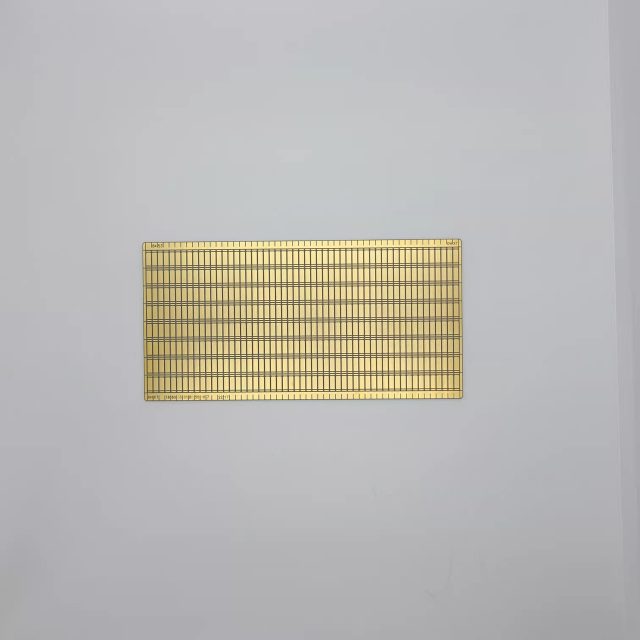
BT Epoxy PCB typically provides a high glass transition temperature (Tg), which supports stable performance during:
-
Multiple reflow soldering cycles
-
High-temperature operation
-
Thermal cycling environments
This helps reduce risks such as warpage and delamination.
2. Low Moisture Absorption for Better Reliability
Moisture can cause major reliability issues during assembly and long-term use. BT epoxy materials are known for low moisture absorption, which helps prevent:
-
Popcorning during reflow
-
Delamination
-
Electrical leakage in humid environments
This makes BT Epoxy PCB ideal for applications requiring stable performance over time.
3. Stable Electrical Performance
BT Epoxy PCB provides stable dielectric behavior, supporting:
-
Reliable signal transmission
-
Better impedance consistency
-
Improved performance in compact, high-density routing
It is especially suitable for package-level interconnect designs where signal quality is important.
4. Strong Mechanical Strength for Fine-Pitch Designs
BT epoxy materials provide strong mechanical stability, helping support:
-
Fine trace/space capability
-
Dense via structures
-
High layer count substrate designs
This is important in modern IC packaging and compact electronics.
Common Applications of BT Epoxy PCB
IC Packaging Substrates (BGA / CSP)
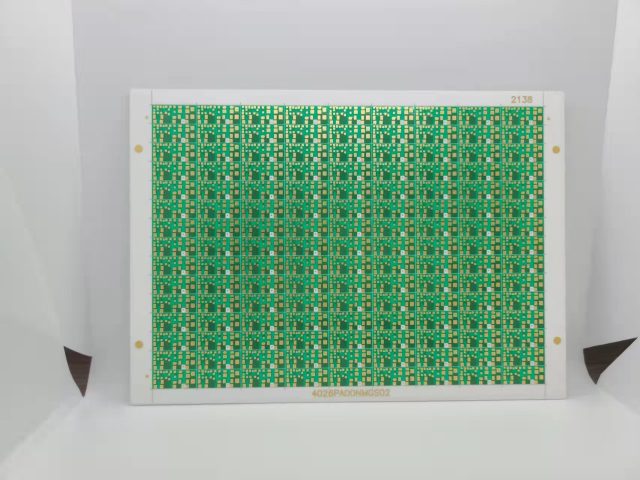
BT Epoxy PCB is widely used in semiconductor packaging, including:
-
BGA substrates
-
CSP substrates
-
Multi-chip modules
It supports high-density routing and reliable thermal performance.
High-Density Consumer Electronics
BT epoxy substrates are often used in compact devices requiring stable reliability, such as:
-
Smartphones and wearables
-
Miniature wireless modules
-
High-end consumer electronics
Industrial and Automotive Electronics
For applications requiring reliability under harsh conditions, BT Epoxy PCB supports:
-
Industrial control modules
-
Automotive electronics
-
Communication devices
BT Epoxy PCB vs FR4: What’s the Difference?
FR4 is a mainstream PCB material, but BT Epoxy PCB offers improved performance in demanding environments.
| Feature | FR4 PCB | BT Epoxy PCB |
|---|---|---|
| Thermal Stability | Standard | Higher |
| Moisture Absorption | Higher | Lower |
| Mechanical Strength | Good | Better |
| IC Packaging Suitability | Limited | Excellent |
| Cost | Lower | Higher |
If your project requires packaging-level reliability and better thermal/moisture performance, BT Epoxy PCB is a strong option.
Manufacturing Considerations for BT Epoxy PCB
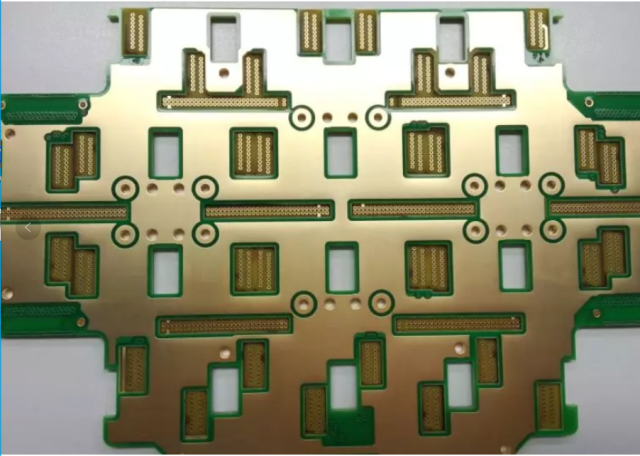
To ensure stable performance and yield, BT Epoxy PCB production requires strict process control, especially for high-density designs.
Key considerations include:
-
Material handling and moisture control
-
Lamination stability and thickness consistency
-
Fine line etching accuracy
-
Via drilling and plating reliability
-
Warpage control for thin substrate structures
-
Surface finish selection for assembly compatibility
Choosing an experienced manufacturer helps ensure consistent quality and reliable performance.
Conclusion
BT Epoxy PCB is a high-performance substrate material designed for advanced electronics requiring high Tg, low moisture absorption, stable electrical behavior, and strong mechanical reliability. It is widely used in IC packaging substrates, BGA/CSP applications, and high-density electronic modules, supporting stable manufacturing and long-term performance.
If your project involves advanced packaging or high-reliability electronics, BT Epoxy PCB is an excellent material choice.
