
In automated test equipment development, early-stage validation determines long-term system reliability. The ATE PCB Prototype provides a controlled platform for verifying electrical performance, mechanical interfaces, and test repeatability before production deployment.
A well-designed ATE PCB prototype reduces risk and accelerates development cycles.
Role of ATE PCB Prototypes in Test Engineering
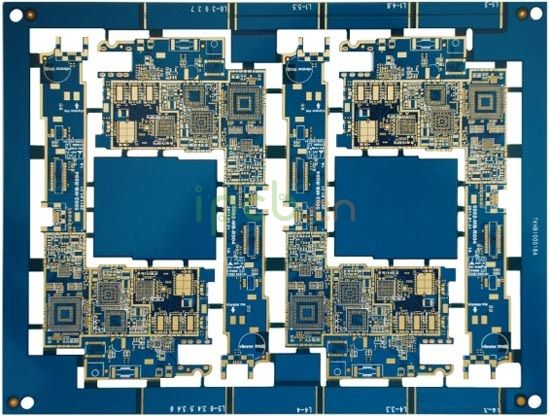
An ATE PCB Prototype bridges conceptual design and production-ready test systems. It allows engineers to:
-
Validate test architecture under real conditions
-
Verify signal and power behavior early
-
Identify design limitations before scale-up
This stage is critical for cost and time efficiency.
Signal Integrity Evaluation at the Prototype Stage
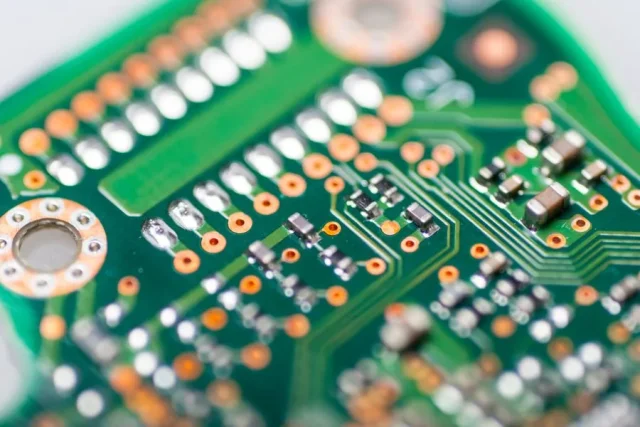
High-speed test environments require precise signal behavior. ATE PCB prototypes focus on:
-
Controlled impedance routing
-
Simplified and accessible signal paths
-
Accurate reference plane structures
Early signal integrity validation prevents later redesigns.
Power Integrity and Stability Testing
Power delivery must remain stable under dynamic test loads. ATE PCB prototypes enable:
-
Evaluation of decoupling strategies
-
Observation of transient power noise
-
Optimization of ground structures
These insights improve long-term test reliability.
Design Flexibility for Rapid Iteration
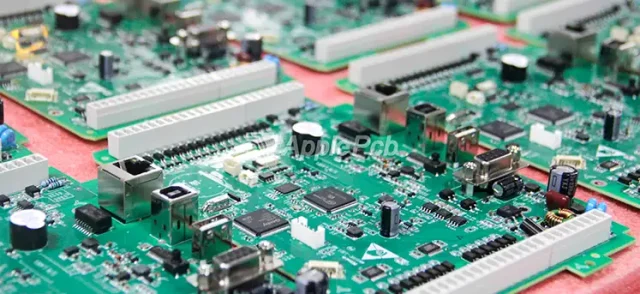
ATE PCB prototypes are designed to support:
-
Layout modifications and design refinements
-
Multiple revision cycles
-
Engineering debug access
Flexibility speeds up test system optimization.
Mechanical and Interface Verification
Prototype ATE PCBs allow engineers to:
-
Verify connector and socket alignment
-
Test mechanical fit with ATE fixtures
-
Identify handling and assembly challenges
Mechanical validation is essential before production.
Manufacturing Speed and Engineering Support
Fast turnaround is a key requirement. ATE PCB prototype manufacturing emphasizes:
-
Quick fabrication and assembly
-
Engineering feedback and DFM review
-
Small-batch production capability
Speed enables faster test validation.
Typical Applications of ATE PCB Prototypes
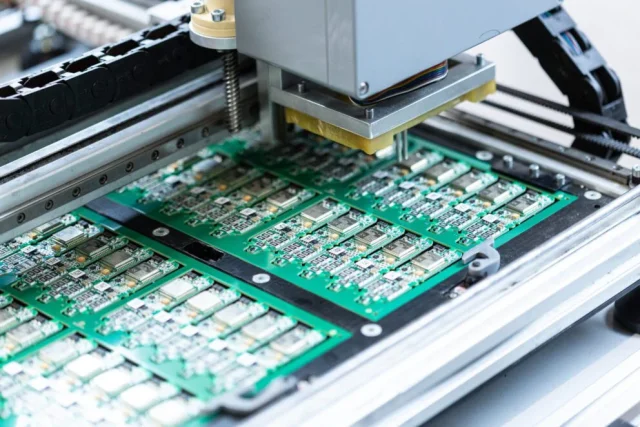
ATE PCB prototypes are commonly used in:
-
Semiconductor device characterization
-
Engineering validation testing
-
New ATE platform development
-
Pre-production test evaluation
Each application benefits from rapid iteration.
Selecting an ATE PCB Prototype Partner
When choosing an ATE PCB prototype manufacturer, consider:
-
Experience with test and semiconductor PCBs
-
Controlled impedance and multilayer capability
-
Fast turnaround and engineering support
-
Smooth transition from prototype to production
The right partner supports long-term success.
Conclusion
The ATE PCB Prototype is a critical enabler of accurate and reliable automated test systems. By supporting fast validation, efficient debugging, and informed design decisions, ATE PCB prototypes help engineers deliver robust and production-ready test platforms.
Partnering with an experienced ATE PCB prototype supplier ensures reduced development risk and faster time to market.
