
What Is an Alumina PCB?
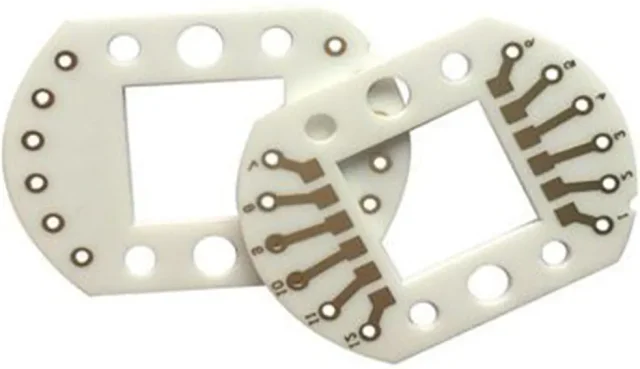
An Alumina PCB is a ceramic printed circuit board manufactured using aluminum oxide (Al₂O₃) ceramic substrate. Alumina PCB is widely used in high power, high temperature, and high reliability applications due to its excellent electrical insulation, strong mechanical stability, and superior thermal performance.
Compared with traditional FR-4 PCB, Alumina PCB provides:
-
Higher thermal conductivity
-
Better dimensional stability
-
Excellent dielectric insulation
-
Strong resistance to harsh environments
Alumina PCB is one of the most commonly used ceramic PCB materials in power electronics and RF modules.
Key Properties of Alumina PCB
The performance of an Alumina PCB is determined by the characteristics of aluminum oxide ceramic material.
Typical properties include:
-
Thermal conductivity: 20–30 W/m·K
-
High dielectric strength
-
Low dielectric loss
-
High operating temperature capability
-
Excellent chemical stability
-
Low moisture absorption
These properties make Alumina PCB ideal for applications where heat dissipation and electrical insulation are critical.
Advantages of Alumina PCB
1. Excellent Thermal Management
Alumina PCB efficiently transfers heat away from high power components. This helps:
-
Reduce junction temperature
-
Improve power device efficiency
-
Extend product lifetime
-
Prevent thermal failure
For power modules and LED applications, Alumina PCB significantly improves heat dissipation compared to FR-4 PCB.
2. Superior Electrical Insulation
Alumina PCB provides high dielectric strength and insulation resistance, making it suitable for:
-
High voltage circuits
-
Power conversion systems
-
Automotive electronics
-
Industrial control equipment
The ceramic substrate isolates high voltage areas effectively.
3. High Mechanical Strength
Alumina ceramic offers:
-
Strong structural rigidity
-
Resistance to vibration
-
High hardness
-
Long-term durability
This makes Alumina PCB suitable for aerospace, automotive, and harsh industrial environments.
4. High Temperature Resistance
Alumina PCB can operate in high temperature conditions beyond the limits of standard organic PCB materials. It maintains stable performance in extreme environments.
Applications of Alumina PCB
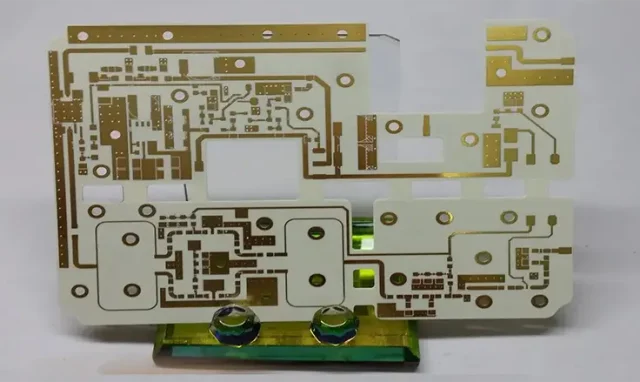
Alumina PCB is widely used in:
-
Power modules and IGBT boards
-
LED lighting modules
-
Automotive control systems
-
RF and microwave modules
-
Sensor modules
-
Medical electronic equipment
-
Aerospace electronics
-
High voltage power supplies
In power electronics, Alumina PCB is especially valued for its thermal conductivity and electrical insulation performance.
Alumina PCB vs FR-4 PCB
| Feature | Alumina PCB | FR-4 PCB |
|---|---|---|
| Thermal Conductivity | High | Low |
| Operating Temperature | Very High | Moderate |
| Electrical Insulation | Excellent | Good |
| Mechanical Strength | High | Moderate |
| Heat Dissipation | Superior | Limited |
For high power and high reliability applications, Alumina PCB provides clear advantages over traditional FR-4 PCB.
Manufacturing Types of Alumina PCB
Alumina PCB can be produced using different technologies:
-
Thick film ceramic PCB
-
Thin film ceramic PCB
-
Direct Bonded Copper (DBC) ceramic PCB
-
Active metal brazing (AMB) ceramic PCB
The choice depends on current requirements, precision level, and application environment.
Design Considerations for Alumina PCB
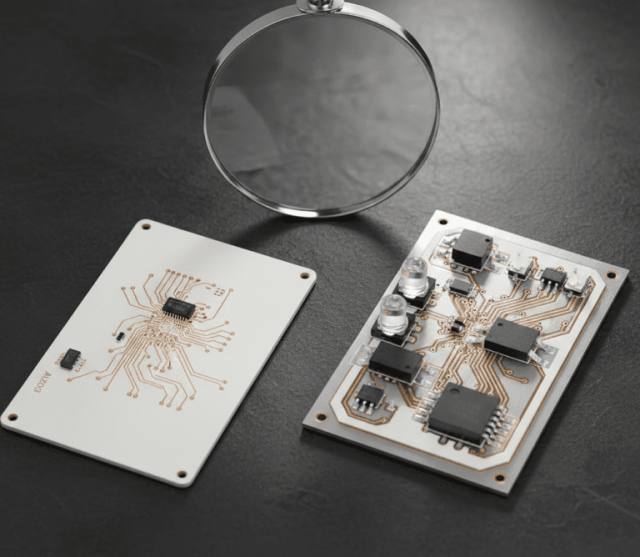
When designing an Alumina PCB, engineers should consider:
-
Thermal path optimization
-
Copper thickness selection
-
High voltage spacing
-
Surface finish compatibility
-
Mechanical mounting requirements
Working with an experienced ceramic PCB manufacturer ensures optimized design and stable production yield.
Conclusion
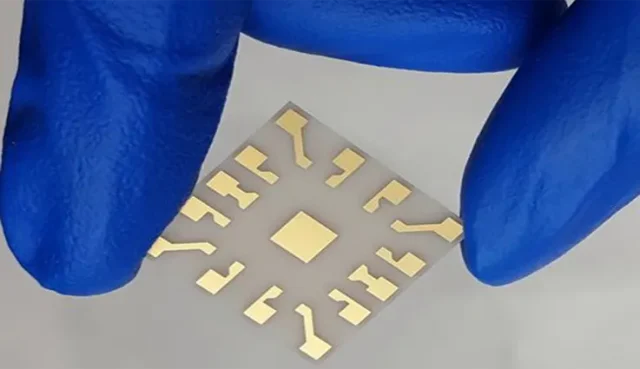
Alumina PCB offers a reliable solution for power electronics, RF systems, and high reliability industrial applications. With excellent thermal conductivity, strong insulation performance, and high mechanical stability, Alumina PCB is an ideal choice for demanding environments.
Selecting a professional Alumina PCB manufacturer ensures consistent quality, optimized thermal design, and long-term operational reliability.
