
The rapid development of autonomous driving technology has accelerated the adoption of Advanced Driver Assistance Systems (ADAS). These systems integrate radar modules, cameras, LiDAR sensors, and AI computing platforms to enhance driving safety and reduce accidents.

Behind these intelligent automotive systems lies a critical hardware component: the ADAS PCB. A well-designed ADAS PCB ensures stable high-speed signal transmission, efficient power distribution, and long-term reliability in harsh automotive environments.
Key Applications of ADAS PCB
ADAS PCBs are widely used in multiple automotive electronic systems, including:
-
Automotive radar modules (24GHz / 77GHz radar)
-
Camera processing boards for lane detection and object recognition
-
Sensor fusion control units
-
Autonomous driving computing platforms
-
Vehicle safety monitoring systems
These applications require high-frequency PCB design, multilayer PCB structures, and excellent signal integrity performance.
Technical Requirements for ADAS PCB
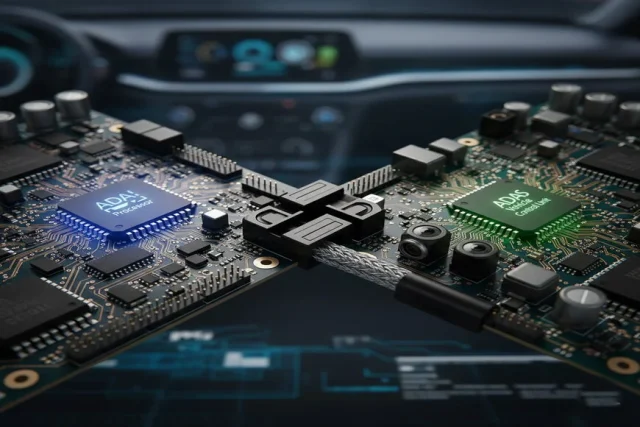
1. High Frequency Signal Transmission
Many automotive radar systems operate at 24GHz and 77GHz, requiring PCBs with low dielectric loss and precise impedance control.
Common materials used for ADAS PCBs include:
-
Rogers high-frequency laminates
-
PTFE low-loss materials
-
Hybrid multilayer PCB stack-ups
These materials help minimize signal attenuation and maintain radar detection accuracy.
2. Multilayer PCB Structures
ADAS control systems process large volumes of real-time data, requiring complex circuit architectures. As a result, multilayer PCB designs ranging from 8 to 20 layers are common.
Typical design features include:
-
Blind vias and buried vias
-
HDI structures
-
Fine line routing
-
Controlled impedance traces
These technologies enable efficient routing and maintain signal integrity within dense electronic designs.
3. Thermal Management and Power Integrity
ADAS computing platforms generate significant heat due to intensive real-time processing.
To ensure system stability, ADAS PCBs often include:
-
Heavy copper layers for improved power distribution
-
Thermal vias for efficient heat dissipation
-
Optimized power integrity design
Proper thermal management is essential for long-term reliability in automotive environments.
4. Automotive-Grade Reliability
ADAS electronics operate under demanding automotive conditions, including vibration, temperature fluctuations, and long operating lifecycles.
Therefore, ADAS PCBs must meet strict reliability requirements such as:
-
High temperature resistance
-
Strong vibration resistance
-
Long-term electrical stability
Most manufacturers follow IPC Class 3 or automotive-grade production standards to ensure consistent performance.
Why High-Quality ADAS PCB Manufacturing Matters
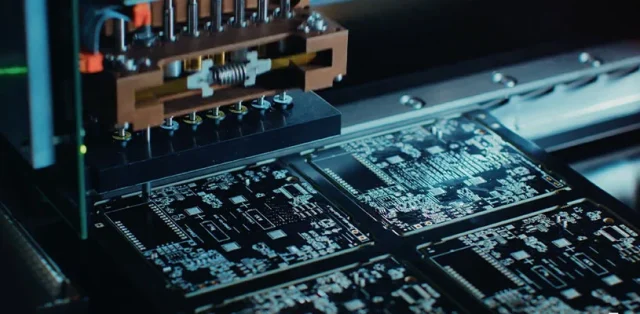
ADAS systems are directly linked to vehicle safety and autonomous driving performance. Even small PCB defects can impact system functionality.
High-precision PCB manufacturing ensures:
-
Accurate impedance control
-
Reliable high-frequency signal transmission
-
Stable multilayer PCB structures
-
Long-term reliability in automotive environments
Choosing a professional PCB manufacturer is essential for ensuring the performance and safety of modern automotive electronics.
Conclusion
As the automotive industry continues moving toward intelligent and autonomous vehicles, ADAS technology is becoming a standard feature in modern cars. The performance of these systems heavily depends on high-reliability ADAS PCBs.
Working with an experienced PCB manufacturer ensures that automotive electronics meet strict safety and performance requirements while supporting the future development of autonomous driving technologies.
