
With the continuous development of high-frequency communication, semiconductor packaging, miniaturized electronic devices, and advanced sensor systems, traditional PCB technologies are facing increasing challenges in applications requiring compact integration, high reliability, and excellent electrical performance.
LTCC (Low Temperature Co-fired Ceramic) technology has become an important solution for high-performance electronic components due to its advantages in three-dimensional integration, excellent high-frequency characteristics, and high reliability.
Unlike conventional PCB manufacturing processes, LTCC uses ceramic materials that are laminated and co-fired at relatively low temperatures, allowing conductive metals such as silver, gold, or copper to be integrated into multilayer ceramic structures.
Today, LTCC technology is widely used in:
- RF modules
- Microwave components
- Automotive electronics
- Semiconductor packaging
- Sensors
- Wireless communication systems
Understanding the classification, advantages, and limitations of LTCC helps engineers select suitable substrate technologies for advanced electronic applications.
1. What Is LTCC Technology?
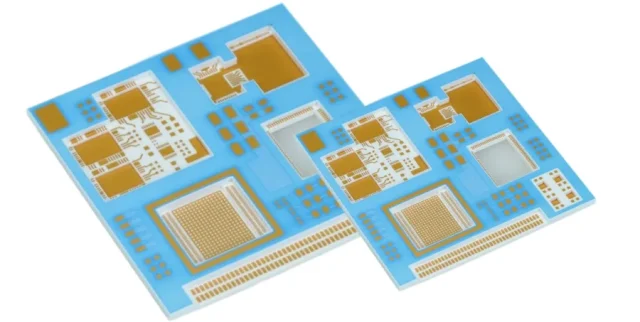
LTCC (Low Temperature Co-fired Ceramic) is a multilayer ceramic manufacturing technology that combines ceramic dielectric materials and conductive materials through lamination and low-temperature sintering.
The basic manufacturing process includes:
- Ceramic tape preparation
- Via formation
- Conductor pattern printing
- Layer stacking
- Lamination
- Low-temperature co-firing
- Surface processing and testing
During firing, the ceramic layers and internal conductive structures are simultaneously sintered into a compact multilayer structure.
Compared with traditional ceramic technologies requiring extremely high firing temperatures, LTCC allows the use of highly conductive metals, improving electrical performance for high-frequency applications.
2. Classification of LTCC Technology
LTCC can be classified according to materials, structures, and application requirements.
2.1 LTCC Based on Material Systems
Glass-Ceramic LTCC
Glass-ceramic materials are the most common LTCC material systems.
Characteristics:
- Low sintering temperature
- Good dimensional stability
- Suitable dielectric properties
- Mature manufacturing process
Applications include:
- RF components
- Multilayer modules
- Communication devices
Low-Loss LTCC Materials
Designed for high-frequency applications requiring excellent signal transmission performance.
Features include:
- Low dielectric loss
- Stable dielectric constant
- Reduced signal attenuation
Applications:
- Microwave circuits
- Antenna modules
- High-frequency filters
High Thermal Conductivity LTCC
Designed for applications requiring improved heat dissipation.
Advantages:
- Better thermal management
- Improved reliability under high-power conditions
Applications:
- Power modules
- High-performance electronic packaging
2.2 LTCC Based on Structure
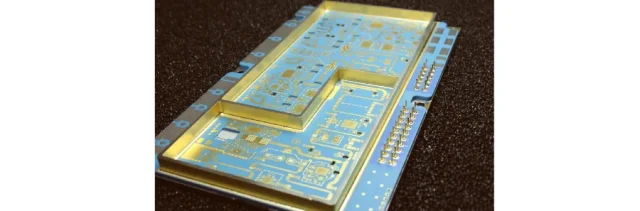
Multilayer LTCC Substrate
The most common LTCC structure.
Features:
- Multiple ceramic layers
- Internal conductor networks
- High-density integration
Applications:
- RF modules
- Miniaturized electronic systems
LTCC Package Structure
LTCC can also be used as an advanced packaging platform.
Advantages:
- Compact integration
- Hermetic protection
- High reliability
Applications:
- Semiconductor packages
- MEMS devices
- Sensors
LTCC Integrated Modules
Multiple functional components can be integrated within one LTCC structure.
Examples:
- Filters
- Antennas
- Capacitors
- Inductors
This improves:
- Space utilization
- Electrical performance
- System integration
3. Advantages of LTCC Technology
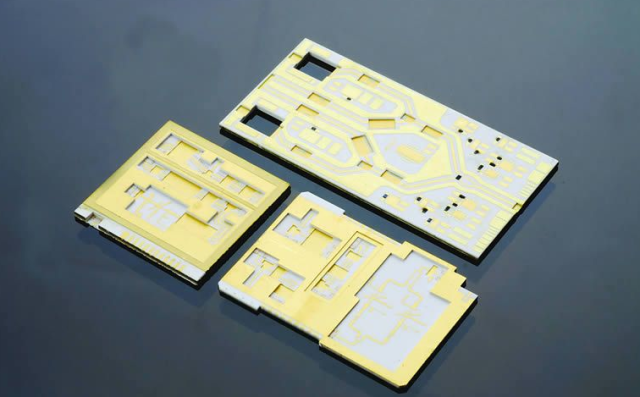
3.1 Excellent High-Frequency Performance
One of the biggest advantages of LTCC is its excellent performance at high frequencies.
Benefits include:
- Low dielectric loss
- Stable dielectric constant
- Reduced signal transmission loss
This makes LTCC suitable for:
- RF circuits
- Microwave devices
- 5G communication modules
3.2 High-Density Three-Dimensional Integration
LTCC supports multilayer structures with embedded components.
Engineers can integrate:
- Conductive paths
- Passive components
- RF structures
within a compact ceramic body.
Advantages include:
- Smaller module size
- Reduced interconnection distance
- Improved system integration
3.3 Excellent Dimensional Stability
Ceramic materials provide stable mechanical characteristics.
Benefits include:
- Low thermal expansion
- High structural accuracy
- Reliable performance during temperature changes
This is important for precision electronic applications.
3.4 Good Thermal and Chemical Stability
LTCC materials can withstand demanding environments.
Advantages include:
- High temperature resistance
- Good corrosion resistance
- Long-term operational stability
Suitable for:
- Industrial electronics
- Automotive systems
- Aerospace applications
3.5 Compatible with High-Conductivity Metals
Because LTCC is fired at relatively low temperatures, it allows the use of conductive metals such as:
- Silver
- Gold
- Copper
These materials provide:
- Lower electrical resistance
- Better RF performance
- Improved conductivity
4. Disadvantages and Limitations of LTCC
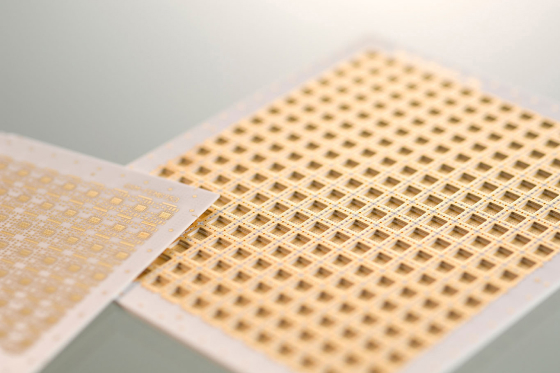
Although LTCC provides many advantages, it also has several limitations.
4.1 Higher Manufacturing Cost
Compared with traditional PCB technologies, LTCC manufacturing involves:
- Ceramic material processing
- Specialized equipment
- Complex fabrication steps
This results in:
- Higher production costs
- Longer development cycles
LTCC is usually selected for applications where performance requirements justify the cost.
4.2 Limited Mechanical Flexibility
Ceramic materials are rigid and brittle.
Compared with flexible PCB technologies, LTCC has limitations in:
- Mechanical bending
- Impact resistance
Careful mechanical design is required for applications exposed to vibration or stress.
4.3 Lower Large-Area Manufacturing Capability
LTCC is generally more suitable for:
- Small modules
- High-value components
- Precision applications
Large-area circuit applications may be less economical compared with conventional PCB manufacturing.
4.4 Material and Process Complexity
LTCC performance depends strongly on:
- Ceramic material selection
- Shrinkage control
- Layer alignment
- Firing process accuracy
Manufacturing variation may affect:
- Dimensional accuracy
- Electrical performance
- Yield rate
4.5 Design Limitations Compared with PCB Technology
Compared with standard multilayer PCBs, LTCC may have limitations in:
- Routing flexibility
- Material availability
- Large-scale customization
Engineers need to evaluate whether LTCC or PCB technology better fits the application.
5. Applications of LTCC Technology
5.1 RF and Microwave Electronics
LTCC is widely used in:
- Filters
- Antenna modules
- RF front-end circuits
- Microwave components
Reasons include:
- Low loss
- Stable dielectric performance
- Compact integration capability
5.2 5G and Wireless Communication
Modern communication systems require:
- High-frequency operation
- Miniaturized modules
- Reliable signal transmission
LTCC supports:
- RF modules
- Antenna-in-package structures
- Passive component integration
5.3 Automotive Electronics
Automotive systems require high reliability under harsh environments.
LTCC applications include:
- Radar modules
- Sensor packages
- Control components
Advantages include:
- Temperature stability
- Long-term reliability
5.4 Semiconductor Packaging
LTCC is used in advanced electronic packaging because of:
- High precision
- Good electrical performance
- Hermetic sealing capability
Applications include:
- IC packages
- MEMS packages
- Sensor modules
6. LTCC vs Traditional PCB Technology
| Feature | LTCC | Traditional PCB |
|---|---|---|
| Material | Ceramic | Organic laminate |
| High-Frequency Performance | Excellent | Depends on material |
| Thermal Stability | Excellent | Moderate |
| 3D Integration | Excellent | Limited |
| Mechanical Flexibility | Low | Higher |
| Manufacturing Cost | Higher | Lower |
| Large Area Capability | Limited | Excellent |
| RF Applications | Excellent | Good with specialized materials |
7. Design Considerations for LTCC Applications
Material Selection
Engineers should evaluate:
- Dielectric constant
- Loss characteristics
- Thermal properties
Layer Design
Important factors include:
- Layer arrangement
- Via structure
- Conductor layout
Thermal Management
For high-power applications, designers should consider:
- Heat paths
- Thermal expansion
- Cooling structures
Manufacturing Capability
Successful LTCC production requires control of:
- Shrinkage rate
- Printing accuracy
- Lamination pressure
- Firing temperature
Conclusion
LTCC technology provides a powerful solution for advanced electronic systems requiring high-frequency performance, compact integration, and excellent reliability.
Its advantages in low-loss transmission, three-dimensional integration, thermal stability, and miniaturization make it highly valuable in RF communication, automotive electronics, semiconductor packaging, and sensor applications.
However, LTCC also has limitations, including higher manufacturing costs, limited flexibility, and more complex processing requirements.
Selecting LTCC requires a comprehensive evaluation of electrical performance, mechanical requirements, production feasibility, and application environment. For high-performance electronic systems where reliability and integration are critical, LTCC remains an important advanced substrate technology.
