
With the continuous development of electronic systems toward higher power density, higher reliability, and harsher operating environments, conventional PCB materials are often unable to meet the requirements of advanced applications.
Ceramic substrates have become an important solution due to their excellent:
- Thermal stability
- Electrical insulation performance
- Mechanical reliability
- High-temperature resistance
Among ceramic substrate materials, Alumina-Zirconia (Al₂O₃-ZrO₂) substrates, commonly known as NA-Z substrates, combine the advantages of alumina and zirconia to achieve improved mechanical strength and reliability.
These substrates are widely considered for applications requiring:
- High mechanical durability
- Thermal cycling resistance
- Reliable electrical insulation
- Long service life
Typical application areas include:
- Semiconductor packaging
- Power electronics
- Automotive electronics
- Sensors
- Industrial control systems
- High-reliability electronic modules
1. What Are Alumina-Zirconia (NA-Z) Substrates?
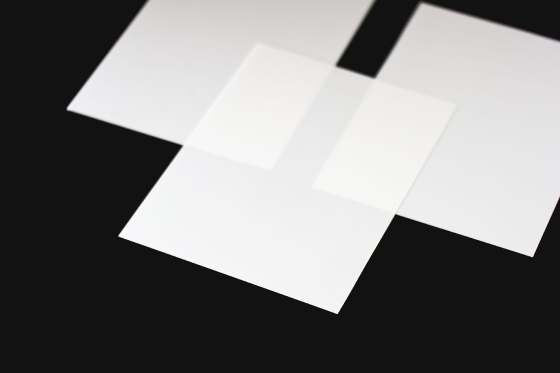
Alumina-Zirconia substrates are ceramic substrates composed mainly of:
- Aluminum oxide (Al₂O₃)
- Zirconium oxide (ZrO₂)
By combining alumina and zirconia, the material achieves a balance between:
- Thermal performance
- Mechanical toughness
- Electrical insulation
- Manufacturing reliability
Compared with pure alumina ceramics, zirconia reinforcement improves mechanical properties, especially resistance to cracking and mechanical stress.
2. Why Use Alumina-Zirconia Ceramic Substrates?
2.1 Improved Mechanical Strength
One of the major advantages of zirconia-enhanced alumina ceramics is improved toughness.
Pure alumina provides:
- High hardness
- Excellent wear resistance
However, it is relatively brittle.
Adding zirconia helps improve:
- Fracture toughness
- Crack resistance
- Mechanical durability
This makes NA-Z substrates suitable for applications exposed to:
- Mechanical vibration
- Thermal shock
- Mechanical stress
2.2 Excellent Thermal Stability
Electronic components increasingly operate under high temperatures.
NA-Z substrates provide:
- Stable performance at elevated temperatures
- Low thermal deformation
- Good thermal cycling capability
They are suitable for applications requiring repeated heating and cooling cycles.
2.3 High Electrical Insulation Performance
Ceramic substrates provide excellent electrical insulation.
Advantages include:
- High dielectric strength
- Low leakage current
- Stable electrical properties
This makes them suitable for:
- High-voltage circuits
- Power semiconductor modules
- Sensor electronics
2.4 Good Thermal Expansion Compatibility
The coefficient of thermal expansion (CTE) is an important factor in electronic packaging.
Mismatch between substrate and semiconductor materials may cause:
- Mechanical stress
- Solder fatigue
- Interface failure
Alumina-zirconia substrates offer controlled thermal expansion characteristics, helping improve package reliability.
3. Material Characteristics of NA-Z Substrates
Key properties typically considered for Alumina-Zirconia substrates include:
| Property | Importance |
|---|---|
| High mechanical strength | Improves durability |
| High fracture toughness | Reduces cracking risk |
| Electrical insulation | Supports high-voltage applications |
| Thermal stability | Enables high-temperature operation |
| Chemical resistance | Improves environmental reliability |
| Dimensional stability | Supports precision packaging |
4. Manufacturing Process of Alumina-Zirconia Substrates
The production of NA-Z ceramic substrates requires precise material and process control.
4.1 Powder Preparation
The process begins with ceramic powders:
- Alumina powder
- Zirconia powder
- Additives for performance optimization
The powders are mixed uniformly to achieve consistent material properties.
4.2 Forming Process
The ceramic material is shaped using processes such as:
- Dry pressing
- Tape casting
- Injection molding
The forming method depends on:
- Substrate thickness
- Size requirements
- Application specifications
4.3 Sintering
The formed ceramic body undergoes high-temperature sintering.
During sintering:
- Particles bond together
- Material density increases
- Mechanical properties develop
Sintering control affects:
- Strength
- Porosity
- Dimensional accuracy
4.4 Surface Processing
After sintering, substrates may undergo:
- Grinding
- Polishing
- Surface cleaning
These processes improve:
- Surface flatness
- Metallization quality
4.5 Metallization
For electronic applications, ceramic substrates require conductive layers.
Common metallization technologies include:
- Thick-film printing
- Thin-film deposition
- Direct Bonded Copper (DBC)
- Active Metal Brazing (AMB)
These methods create electrical connections between components and the ceramic substrate.
5. Alumina-Zirconia vs Other Ceramic Substrates
5.1 Alumina (Al₂O₃) Substrate
Advantages:
- Mature technology
- Good electrical insulation
- Cost-effective
Limitations:
- Lower fracture toughness compared with zirconia-enhanced ceramics
Applications:
- General ceramic circuits
- Sensors
- Electronic packages
5.2 Aluminum Nitride (AlN) Substrate
Advantages:
- Excellent thermal conductivity
- Suitable for high-power applications
Applications:
- Power modules
- LED systems
- Semiconductor devices
Limitations:
- Higher cost
- More sensitive processing requirements
5.3 Zirconia (ZrO₂) Substrate
Advantages:
- Excellent mechanical toughness
- High fracture resistance
Applications:
- Mechanical components
- High-strength ceramic applications
Limitations:
- Lower thermal conductivity compared with AlN
5.4 Comparison Table
| Material | Main Advantage | Typical Applications |
|---|---|---|
| Alumina | Cost-effective insulation | Sensors, general electronics |
| Alumina-Zirconia | Strength + reliability balance | High-reliability modules |
| Aluminum Nitride | High thermal conductivity | Power electronics |
| Zirconia | High toughness | Mechanical applications |
6. Applications of Alumina-Zirconia Substrates
6.1 Semiconductor Packaging
NA-Z substrates can be used in semiconductor-related applications requiring:
- Mechanical stability
- Electrical insulation
- Thermal reliability
Examples:
- Chip carriers
- Electronic packages
- Sensor packages
6.2 Power Electronics
Power devices generate significant heat and electrical stress.
Applications include:
- Power control modules
- Industrial converters
- High-voltage systems
Advantages:
- High insulation capability
- Thermal stability
- Mechanical reliability
6.3 Automotive Electronics
Automotive systems require components capable of handling:
- Temperature fluctuations
- Vibration
- Long service periods
Applications:
- Engine sensors
- Power modules
- Control electronics
6.4 Sensors and Measurement Equipment
Ceramic substrates are suitable for sensors requiring:
- Dimensional stability
- Chemical resistance
- High-temperature operation
Applications:
- Pressure sensors
- Temperature sensors
- Industrial measurement systems
6.5 Aerospace and High-Reliability Electronics
Applications include:
- Aerospace control modules
- Communication systems
- High-reliability electronic assemblies
Requirements:
- Long-term stability
- Environmental resistance
7. Design Considerations for NA-Z Ceramic Substrates
7.1 Thermal Management
Engineers should evaluate:
- Heat generation
- Thermal pathways
- Component placement
Proper design improves:
- Component lifetime
- System reliability
7.2 Metallization Compatibility
The connection between ceramic and conductive layers is critical.
Considerations include:
- Adhesion strength
- Thermal expansion matching
- Processing temperature
7.3 Mechanical Stress Control
Although zirconia improves toughness, improper design may still create stress concentration.
Important factors:
- Substrate thickness
- Mounting method
- Thermal cycling conditions
7.4 Manufacturing Capability
Ceramic substrate manufacturing requires control over:
- Material composition
- Sintering conditions
- Surface quality
- Dimensional accuracy
8. Advantages and Limitations of Alumina-Zirconia Substrates
Advantages
- Improved fracture toughness
- High mechanical reliability
- Excellent electrical insulation
- Good thermal stability
- Strong environmental resistance
- Suitable for harsh operating conditions
Limitations
- Lower thermal conductivity than AlN
- Higher processing complexity than standard PCB materials
- Higher cost compared with conventional FR-4 PCBs
- Requires specialized manufacturing processes
9. Future Development Trends
Higher Reliability Electronic Packaging
As electronic systems become more demanding, ceramic substrates will continue to support:
- Power semiconductor modules
- Advanced sensors
- High-temperature electronics
Integration with Advanced Semiconductor Technologies
Future applications may include:
- Wide-bandgap semiconductors
- SiC power devices
- GaN systems
Improved Manufacturing Processes
Future development will focus on:
- Better material consistency
- Improved metallization technologies
- Lower manufacturing cost
Conclusion
Alumina-Zirconia (NA-Z) substrates provide a valuable balance between mechanical strength, electrical insulation, and thermal reliability.
Compared with traditional ceramic materials, NA-Z substrates offer improved toughness while maintaining the advantages of ceramic technology.
They are suitable for demanding applications such as:
- Semiconductor packaging
- Power electronics
- Automotive systems
- Sensors
- Aerospace electronics
As electronic products continue moving toward higher power density and harsher operating environments, Alumina-Zirconia ceramic substrates will remain an important material solution for high-reliability electronic systems.
