
Surface Mount Technology (SMT) has become the industry standard for high-speed, high-density PCB assembly. However, the precision required in SMT—where components are often smaller than a grain of sand—leaves little room for error. Defects during the solder paste printing, component placement, or reflow soldering stages can lead to costly rework or total board failure. This guide identifies the most frequent SMT defects and provides professional solutions to optimize your PCBA manufacturing yield.
1. Solder Bridging (Shorts)
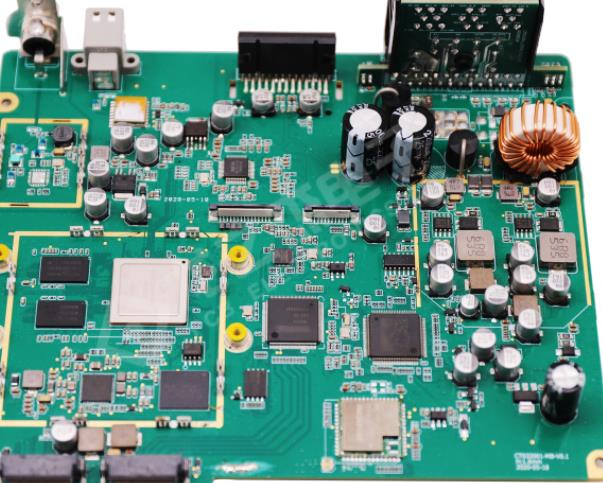
Solder bridging occurs when solder connects two adjacent pads or leads, creating an unintended electrical path (short circuit).
- The Cause: Excessive solder paste deposition, poor stencil alignment, or high component placement pressure.
- The Solution: Reduce the stencil aperture size (typically to 90% of the pad area), ensure precise automatic optical inspection (AOI) after printing, and maintain strict stencil cleaning protocols.
2. Tombstoning
Tombstoning happens when a passive component (like a resistor or capacitor) lifts off one pad and stands vertically during reflow.
- The Cause: Uneven wetting force caused by temperature imbalances or asymmetrical pad designs. If one side of the solder paste melts faster, it “pulls” the component up.
- The Solution: Optimize the reflow oven profile to ensure a slower, more uniform pre-heat stage. Also, ensure that trace widths connecting to pads are balanced to prevent heat-sinking differences.
3. Solder Balling
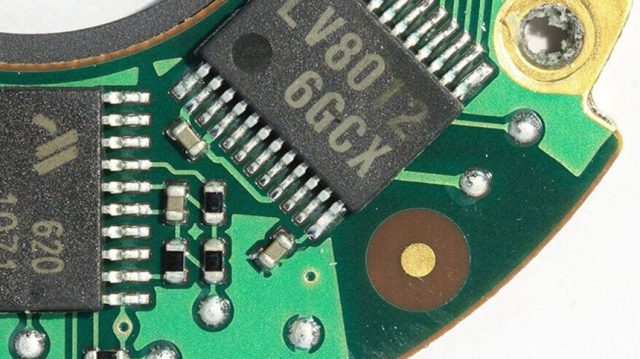
These are tiny spheres of solder that scatter across the PCB surface, potentially causing intermittent shorts.
- The Cause: High moisture content in the solder paste, excessive pre-heat temperatures causing “slumping,” or oxidation of the solder powder.
- The Solution: Strictly control the storage environment of solder paste (refrigeration and proper thaw cycles). Ensure the PCB manufacturing environment maintains low humidity to prevent moisture absorption.
4. De-wetting and Non-wetting
Non-wetting occurs when the solder fails to bond with the PCB pad or component lead, leaving the copper exposed.
- The Cause: Surface contamination, oxidation of the pads, or expired solder paste.
- The Solution: Ensure high-quality surface finishes (like ENIG or OSP) are used during the board’s fabrication. Implement a “first-in, first-out” (FIFO) system for all SMT materials to prevent the use of oxidized components.
5. Solder Voids

Voids are air bubbles or “holes” within the solder joint, which can weaken the mechanical strength and reduce thermal conductivity.
- The Cause: Trapped flux gases that cannot escape during the liquid phase of reflow.
- The Solution: Use high-quality, low-voiding solder paste and adjust the reflow soak time to allow flux gasses to vent before the solder reaches its peak melting temperature.
