
Integrated circuits (ICs) are among the most critical components in modern electronic systems. They determine key functions such as signal processing, power management, communication, control, and data conversion.
However, during product development or mass production, engineers may encounter situations where the original IC cannot be used due to:
- Component shortages
- Product lifecycle changes
- Cost optimization requirements
- Supplier changes
- Performance improvement needs
In these cases, IC replacement becomes an important engineering solution.
Replacing an IC is not simply finding a component with the same package size. A successful replacement requires comprehensive evaluation of:
- Electrical compatibility
- Functional performance
- PCB layout requirements
- Thermal characteristics
- Manufacturing feasibility
This article explains key IC replacement skills and considerations in PCB circuit design.
1. What Is IC Replacement?
IC replacement refers to replacing an original integrated circuit with an alternative device that can perform the required function while maintaining system compatibility.
A suitable replacement IC should ideally match:
- Electrical specifications
- Pin configuration
- Package type
- Communication protocol
- Operating conditions
Common replacement scenarios include:
- Replacing obsolete components
- Reducing procurement risks
- Improving product performance
- Supporting long-term production
2. Why Is IC Replacement Necessary?
2.1 Supply Chain Challenges
Electronic manufacturers may face:
- IC shortages
- Extended lead times
- Discontinued components
A compatible alternative helps maintain production continuity.
2.2 Product Cost Optimization
Different suppliers may offer similar IC solutions with different pricing structures.
IC replacement can help:
- Reduce material cost
- Improve sourcing flexibility
- Optimize production expenses
2.3 Technology Upgrades
Newer IC versions may provide:
- Better efficiency
- Higher integration
- Improved reliability
Replacing older components can enhance product performance.
3. Basic Requirements for IC Replacement
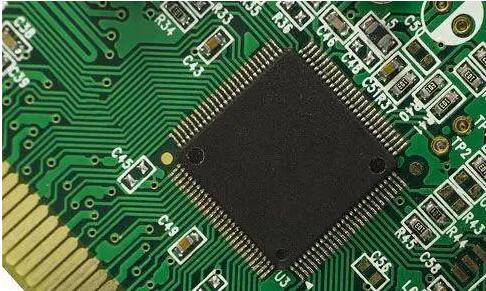
A successful IC replacement should consider several compatibility factors.
3.1 Functional Compatibility
The replacement IC must provide the same or improved functions.
Engineers should compare:
- Operating principle
- Input/output functions
- Communication interfaces
- Control methods
Example:
A replacement power management IC must support:
- Required voltage outputs
- Current capacity
- Protection functions
3.2 Pin-to-Pin Compatibility
Pin compatibility is one of the most important considerations.
Engineers should check:
- Pin number
- Pin position
- Pin function
- Electrical characteristics
A pin-compatible IC can often replace the original component with minimal PCB modification.
3.3 Package Compatibility
The package affects:
- PCB footprint
- Assembly process
- Thermal performance
Common IC packages include:
- QFN
- BGA
- TQFP
- SOIC
- LGA
A package mismatch may require:
- PCB redesign
- Footprint modification
- Assembly process adjustment
4. Electrical Parameter Evaluation
4.1 Voltage Compatibility
The replacement IC must support:
- Supply voltage range
- Input voltage
- Output voltage requirements
Incorrect voltage compatibility may cause:
- Component damage
- System instability
4.2 Current Capability
For power-related ICs, current capability is critical.
Engineers should evaluate:
- Maximum output current
- Peak current capability
- Thermal limitations
A replacement IC with insufficient current capability may lead to overheating.
4.3 Frequency and Timing Characteristics
For high-speed applications, engineers must compare:
- Clock frequency
- Switching frequency
- Propagation delay
- Response time
Timing differences may affect:
- Communication reliability
- System synchronization
4.4 Communication Compatibility
For digital IC replacement, interfaces must be verified.
Common interfaces include:
- SPI
- I²C
- UART
- CAN
- USB
Software and firmware compatibility should also be considered.
5. PCB Layout Considerations During IC Replacement
5.1 Verify PCB Footprint
Before replacement, engineers should confirm:
- Pad dimensions
- Pin spacing
- Thermal pad design
Incorrect footprint matching may cause:
- Assembly defects
- Soldering problems
5.2 Check Routing Requirements
Different ICs may have different routing requirements.
Important considerations:
- Power trace width
- Signal routing
- Ground connections
- Decoupling capacitor placement
5.3 Thermal Design Evaluation
IC replacements may have different:
- Power consumption
- Heat generation
- Thermal resistance
Engineers should review:
- Thermal vias
- Copper areas
- Heat dissipation paths
6. IC Replacement Process
Step 1: Analyze Original IC Requirements
Collect information about:
- Datasheet specifications
- Application circuit
- Operating environment
- PCB layout
Step 2: Search for Alternative Components
Potential replacement sources include:
- Original manufacturer alternatives
- Compatible suppliers
- Updated product versions
Step 3: Compare Technical Parameters
Create a comparison table including:
- Voltage range
- Current capability
- Package type
- Pin definition
- Electrical performance
Step 4: Perform PCB Compatibility Review
Check:
- Footprint compatibility
- Routing changes
- Assembly requirements
Step 5: Conduct Prototype Validation
Testing should include:
- Electrical performance
- Functional verification
- Thermal testing
- Reliability evaluation
7. Common IC Replacement Challenges
7.1 Similar Appearance but Different Function
Some ICs may have:
- Same package
- Similar pin count
but different internal functions.
Risk:
- Circuit malfunction
- Unexpected behavior
7.2 Different Electrical Characteristics
Even if an IC appears compatible, differences in:
- Input impedance
- Output drive capability
- Switching behavior
may affect system performance.
7.3 Software Compatibility Issues
For programmable ICs, replacement may require:
- Firmware modification
- Driver updates
- Configuration changes
7.4 PCB Modification Requirements
Some replacements require:
- New footprint design
- Additional components
- Routing changes
These factors must be evaluated before implementation.
8. IC Replacement Applications
Power Electronics
Applications:
- Power management ICs
- Voltage regulators
- Motor control systems
Key considerations:
- Current capability
- Thermal performance
Communication Devices
Applications:
- RF modules
- Network equipment
- IoT devices
Key considerations:
- Signal compatibility
- Communication protocols
Industrial Control Systems
Applications:
- PLC systems
- Automation equipment
Key considerations:
- Reliability
- Long-term availability
Consumer Electronics
Applications:
- Mobile devices
- Smart products
Key considerations:
- Size constraints
- Cost optimization
9. Best Practices for Reliable IC Replacement
Conduct Early Engineering Review
Evaluate replacement feasibility before PCB modification.
Verify Datasheet Details
Never rely only on:
- Package appearance
- Pin count
Always confirm electrical specifications.
Consider Manufacturing Impact
Review:
- SMT compatibility
- Assembly process
- Production yield
Perform Full Validation
Testing should confirm:
- Electrical performance
- Functional stability
- Long-term reliability
Conclusion
IC replacement is an important skill in PCB circuit design, especially when dealing with component shortages, lifecycle changes, and product optimization requirements.
A successful IC replacement requires more than finding a similar component. Engineers must evaluate:
- Functional compatibility
- Electrical parameters
- PCB footprint
- Signal performance
- Thermal characteristics
- Manufacturing impact
Through systematic analysis and verification, engineers can achieve reliable IC substitution while minimizing redesign risks and maintaining product performance.
